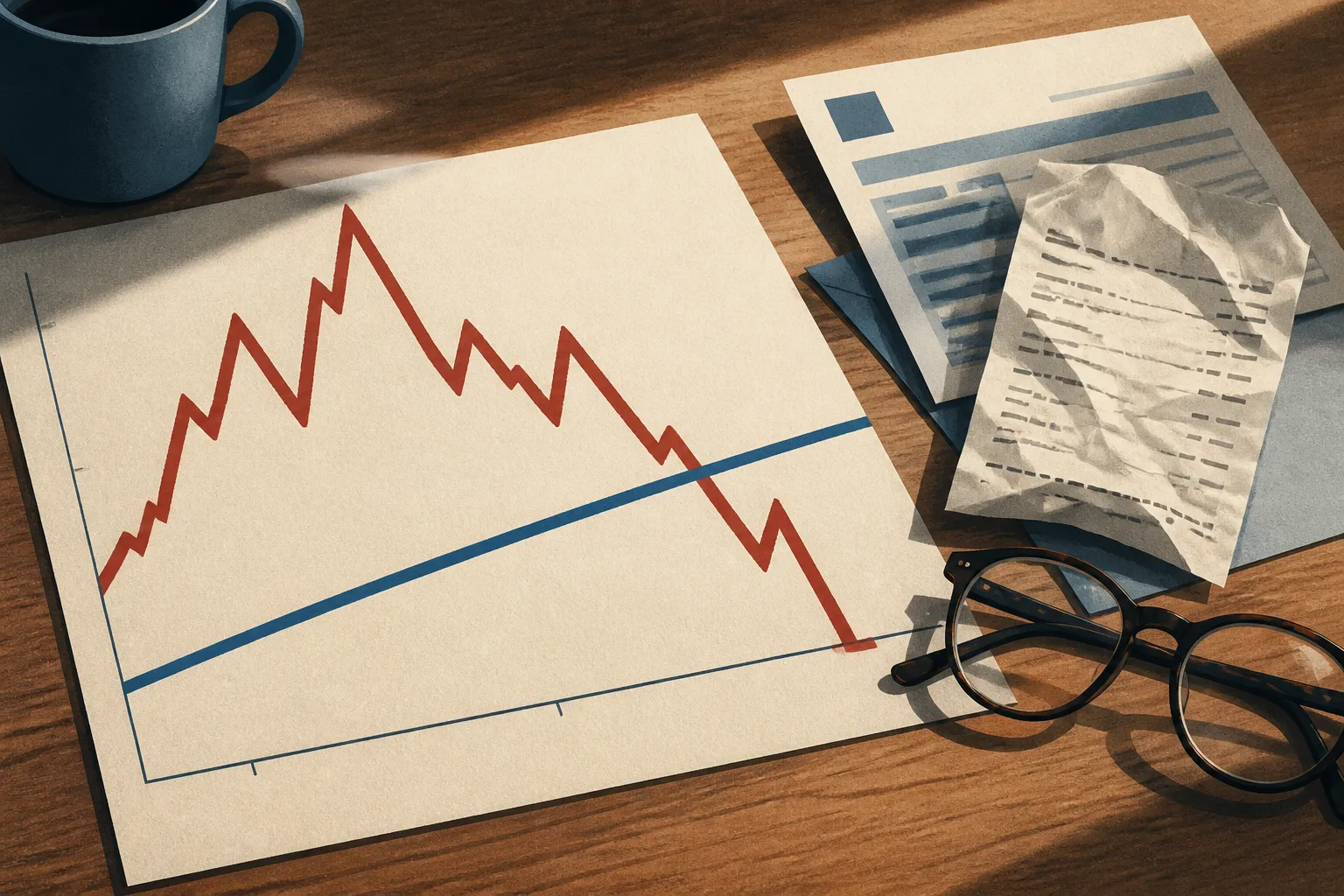

When a lease renewal arrives with a higher monthly rate, comparing that number to national headlines can be confusing. News reports might state that rent growth is cooling, while the notice on your kitchen counter demands an extra eight percent. The confusion usually comes from a basic mismatch in the data. The broad federal gauges tracking rent and the private platforms advertising vacant apartments measure entirely different parts of the housing market.
Understanding what each index tracks allows you to evaluate your options with clearer context. Before deciding whether to accept a renewal or search for a new place, you need to check which datasets match your situation and recognize the lag built into official economic releases.
Why the rent index you read matters
The headline shelter figure published by the Bureau of Labor Statistics in the Consumer Price Index (CPI) tracks what all current renters are paying, not the asking rates on open units. You can review the methodology directly in the BLS rent and rental equivalence factsheet. Because the index measures existing tenants across the country, it reflects contracts negotiated six, twelve, or eighteen months ago. It is an index of ongoing household expenditures rather than an index of what an empty apartment costs on the open market today.
Private rental indexes operate differently. Commercial trackers examine listings for units currently available to new movers. When moving demand drops or apartment construction rises, these asking rent numbers can slow down quickly. The headline CPI shelter series will continue to rise as older leases catch up to prior market changes. Neither dataset is incorrect, but they answer different questions. One measures the average living cost of the entire renter population, while the other measures current asking prices for vacant units.
The Bureau of Labor Statistics also produces experimental measures to help bridge this gap. As documented in the BLS research series on new tenant rent, the agency tracks a new tenant rent index alongside an all-tenant regressed index. The BLS new tenant rent index isolates agreements signed by households that recently moved. If an article mentions rental trends without naming the exact measure, check whether it cites the headline index, a research series, or a commercial portal.
How lags and renewal timing shape what renters feel
Most tenants do not experience rent changes month by month. Instead, rental adjustments arrive in single jumps at the end of a lease term. A household might see zero price adjustment for eleven months, followed by a steep increase on month twelve. Because of this annual rhythm, personal experiences feel abrupt, even when broad price gauges move in a smooth line.
This structure creates an operational delay between market movements and government reporting. Independent analysis from the cpichart rent inflation tracker notes an effective lag of roughly twelve months between open-market rate shifts and their reflection in the CPI shelter index. That delay stems from both the standard twelve-month lease duration and the agency's data collection schedule.
Because of this lag, tenants often experience sharp increases well before those changes register in federal statistics. Conversely, a quiet month in headline shelter figures does not mean a property owner will offer a flat renewal today. The offer in your mailbox often reflects price pressures that started many months earlier.

How the CPI rent sample is built
The Consumer Price Index relies on a rotating sample of roughly 50,000 rental units located across urban areas in the United States. Field staff contact each sampled housing unit twice a year, at six-month intervals. The full sample is divided into distinct panels, with half of the sample rotating through the survey cycle during each reporting round.
To prevent statistical noise and sudden spikes from distorting national inflation readings, the agency applies a smoothing calculation across recent rent observations. This statistical smoothing keeps the line steady over time. While that stability helps central bankers and macroeconomists assess underlying inflation trends, it limits the index as a tool for evaluating a single apartment contract.
Geography adds another layer of separation. The CPI rent sample focuses on urban areas and divides them into broad regions. It does not provide granular coverage for every individual suburb, zip code, or rural county. If you live in an area with unique zoning rules, sharp population shifts, or specialized local industries, the broad regional index may look very different from conditions on your street.
A practical order for checking the data
When reviewing data to understand a renewal notice, a structured approach helps keep the numbers in perspective. Start with these concrete steps:
- Identify whether the dataset tracks existing tenant payments or new-lease asking rents.
- Confirm the geographic footprint to ensure the sample reflects your broader metro region.
- Check the release date to see how old the observations are and when the next revision arrives.
- Calculate your own rent change over the full lease term to compare your historical increase against the index.
Comparing your starting rent and current renewal offer against the CPI over the exact same period helps clarify historical trends. It shows whether your landlord's adjustments have outpaced or lagged the broader urban average. Keep in mind that this calculation is a backward-looking audit of your past payments, not a tool that can force an owner to lower a renewal offer.
Red flags and limits of the sources
The most common mistake renters make is treating an average shelter index as a binding forecast of their renewal rate. Economic indexes document what thousands of households paid in past months. They cannot predict the business plans, financing costs, or operational expenses of a specific property manager.
A second misstep is combining federal CPI rent data and private vacancy trackers into a single comparison. When private listing sites report flat numbers and the headline CPI shows positive growth, readers often assume one source is faulty. In reality, both can be accurate within their defined methodologies. A private site is measuring the price to fill a vacant unit today, while the CPI is measuring the cash collected from everyone living in rental housing.
Finally, data tables cannot substitute for local legal rules. Federal price indexes do not outline notice periods for lease renewals, statutory caps on annual rent increases, or rules governing security deposits. State and municipal laws set those tenant protections, and those rules vary widely across the country. Broader housing conditions are tracked in long-term studies, such as the Harvard JCHS America's Rental Housing 2026 report and the Harvard JCHS State of the Nation's Housing 2026 report, which offer perspective on housing supply and overall household cost burdens. When planning your next move, check municipal ordinances and local housing authorities to understand the specific rights and notice timelines that apply to your lease.