









The U.S. Energy Information Administration (EIA) released its Short-Term Energy Outlook on October 6, 2026. This report includes a 2026-27 Winter Fuels Outlook for the heating season, which runs from November through March. These figures provide a baseline for national expectations. Because the numbers are national and conditional, they serve as a starting point rather than a promise for your own utility bill.

Building an energy budget requires separating national trends from individual reality. While federal agencies track millions of homes, your personal costs are governed by local utility rates, the efficiency of your building, and your specific thermostat habits. The following breakdown translates these broad agency figures into a more actionable format for your household financial planning.
What the outlook says about each fuel
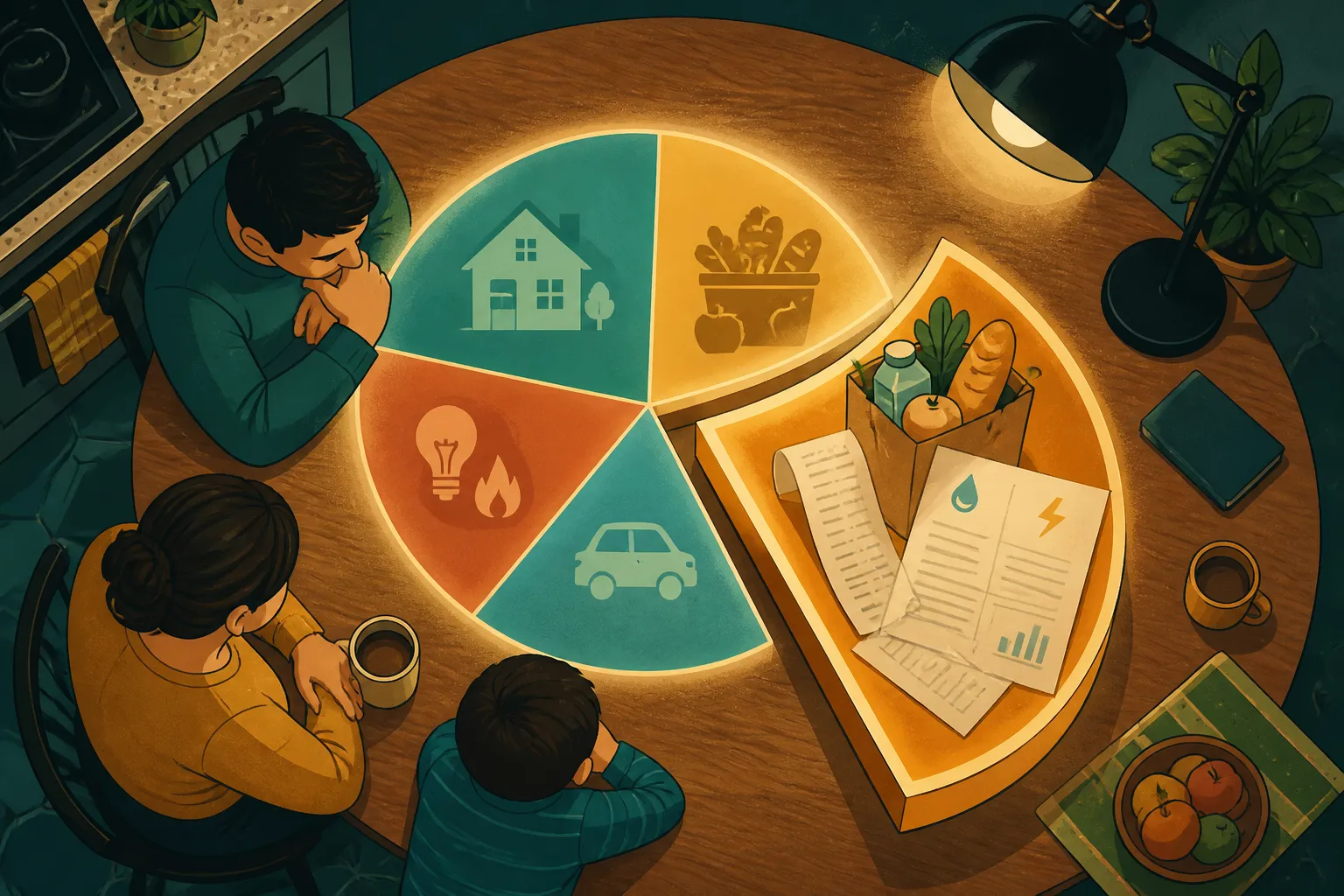
The expected impact depends on the heating system in your home. The EIA expects households that use natural gas or propane as their primary heating source, representing nearly half of the country, to spend less on fuel than they did last winter. Homes that heat mainly with electricity are projected to spend slightly more.
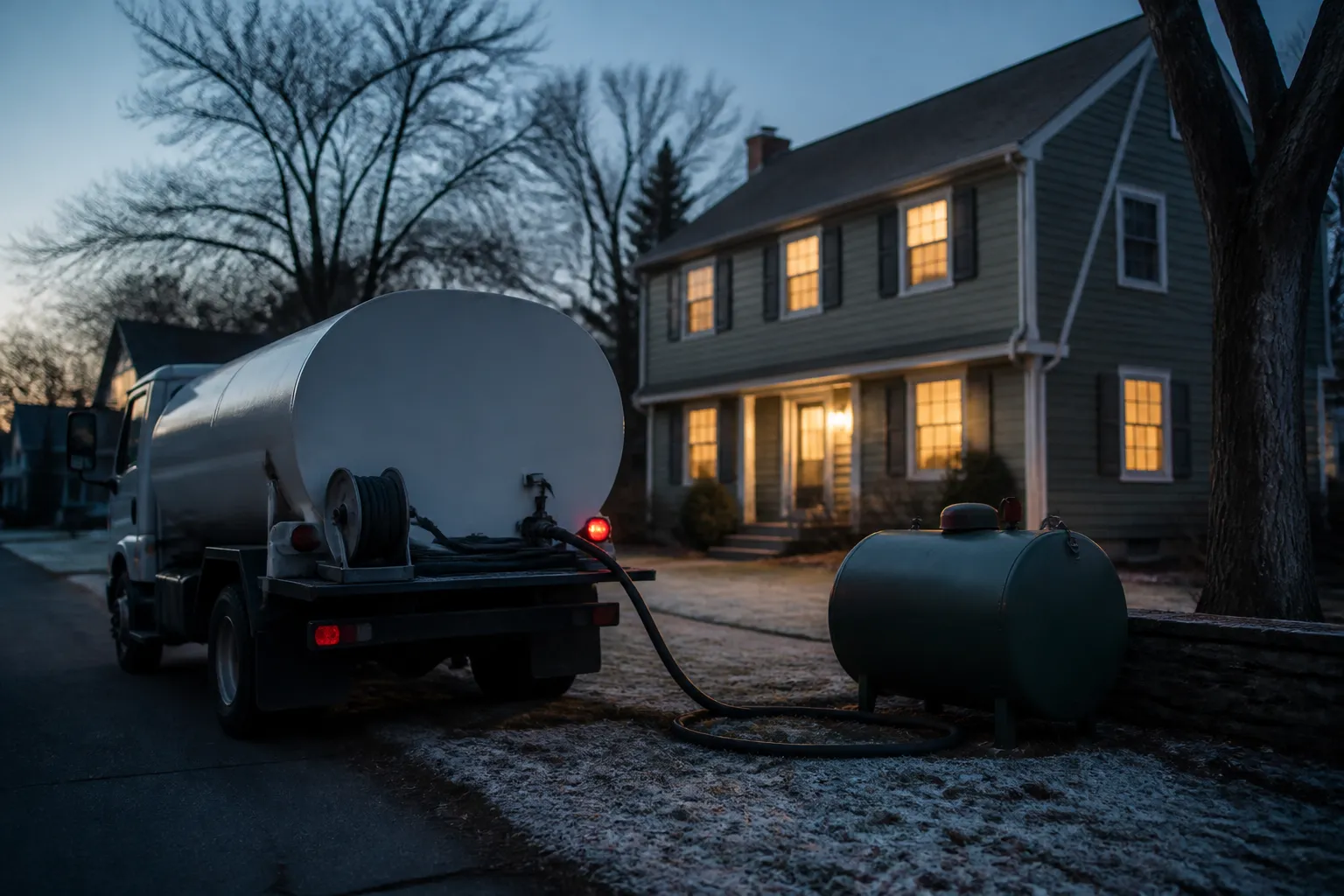
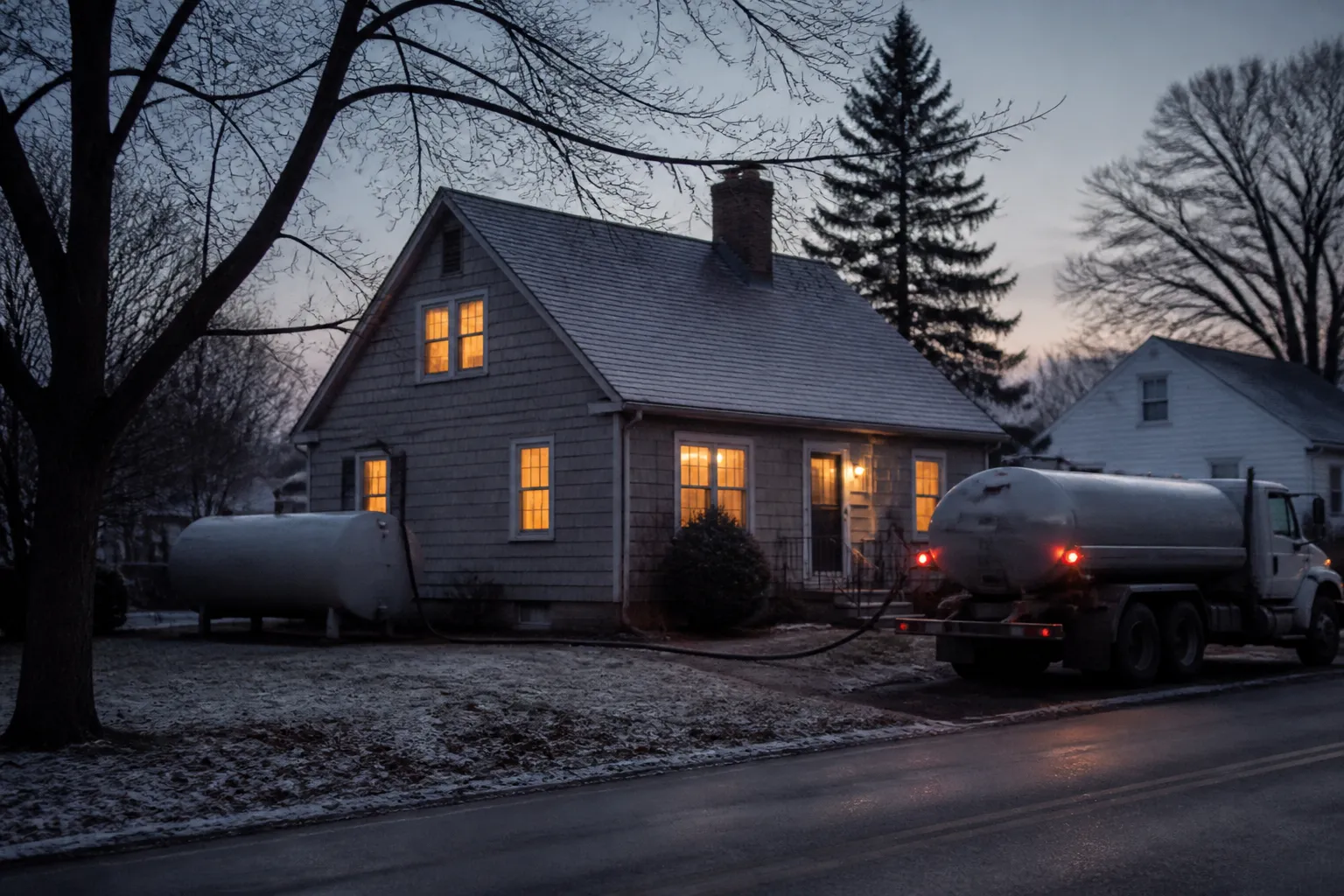
Heating oil presents a distinct challenge. Although only about 3% of households rely on it, these users face the most significant pressure. Heating oil prices are currently more than 30% higher than they were during the previous winter. The agency expects total spending for these homes to rise by 21%, though they note that a potentially milder winter in the Northeast could offset a portion of that price increase.
Why crude oil sits behind the numbers
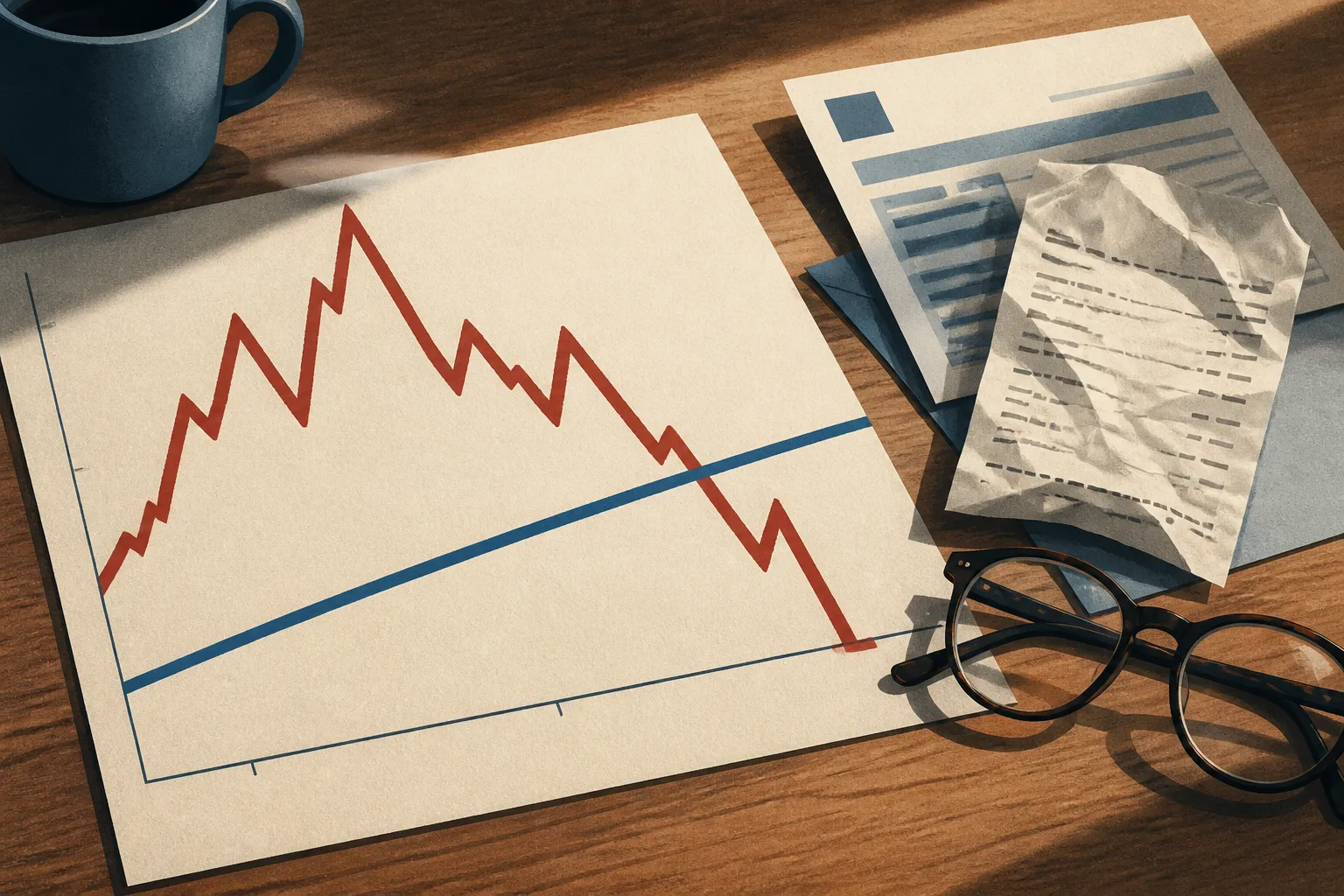
Global energy markets drive the logic of this forecast. The agency increased its Brent crude projection to an average of $105 per barrel for the final quarter of 2026. This is a significant jump of $14 per barrel over the previous month's estimate. The current model anticipates that prices will settle toward an average of $84 per barrel throughout the following year.
This price path assumes that oil flows from the Middle East remain restricted for the remainder of 2026. If supply conditions shift, the price outlook will likely move with them. September saw gasoline average $4.35 per gallon and diesel hit $6.29 per gallon, reflecting how far these upstream market pressures have already traveled into the retail sector.
Weather: two EIA descriptions that do not match
Weather is the primary variable that dictates fuel consumption. The agency uses heating degree days as its standard unit, which measures how cold a day is relative to a comfort baseline. A higher number of degree days correlates directly to colder weather and increased demand for heating fuel.
The agency projects that October will be cooler than usual, estimating 236 heating degree days. This figure is 7% above the ten-year October average. However, the outlook for the entire winter is inconsistent. One portion of the report projects 3,150 heating degree days for the full winter, which would be 3% lower than the ten-year average and suggests a reduction in total fuel use. Another section of the same report describes winter temperatures as consistent with last year and the previous ten-year average. These discrepancies make it difficult to rely on a single weather assumption, so readers should consult the full Short-Term Energy Outlook report directly.
Turning the forecast into a budget line
The agency does not provide instructions for household budgeting, so the following steps are a suggestion for your own analysis. Start by gathering your energy statements from the past twelve months. Organize these by fuel type to identify your actual consumption patterns.
If you heat with oil, you might apply the 21% increase to your previous winter spending as a preliminary test. For example, if you spent $2,000 on heating oil last winter, a 21% rise represents an additional $420. Treat this number as a scenario, not a prediction, as your specific tank size, current market rates, and supplier contracts will influence the final cost. Households using natural gas or electricity can find regional price data in Table 5b and Table 7c of the agency's data browser.
Finally, remember that the agency does not provide information on assistance programs. If you find that the projected energy costs create a financial strain, contact your local utility company or state energy office to inquire about energy assistance or weatherization programs. The next outlook update is scheduled for November 10, 2026, which will be a good time to revisit these estimates.
Please seek a professional. This article is general information, not financial, tax or insurance advice. Please seek a licensed financial, tax or insurance professional about your own situation.