










The Federal Reserve works under a congressional mandate with two main goals: maximum employment and stable prices. To give price stability a number, the Federal Open Market Committee, or FOMC, aims for inflation of 2 percent over the longer run. That is not a promise that prices will stay flat. It is a promise about pace, and the point is to keep that pace steady enough that people stop thinking about it.
What the 2 percent target is and where it comes from
The FOMC sets the nation's monetary policy. It has twelve voting members: seven Fed governors, the New York Fed president, and four other Reserve Bank presidents who rotate in. Its post-meeting statements have said the committee seeks maximum employment and inflation at 2 percent over the longer run since September 2020.
The number was not always public. According to the Richmond Fed, the Fed reached a 2 percent target internally around 1996 but did not make it explicit until 2012. For years the goal was understood inside the institution and left unstated outside it.
Why 2 and not 1 or 3? The sources reviewed for this piece do not explain that choice in detail. The Fed's own FAQ on the question is the place to start, and the Richmond Fed's history of the target covers the origins. We have not summarized either one here, so treat any tidy story about the number's origin with caution.

Why a fixed number matters to households and markets
The Atlanta Fed says a fixed target helps assure markets and the public that inflation is not a factor in household and business spending decisions. That echoes former Fed chair Alan Greenspan's definition of price stability: inflation is not a consideration when people decide what to buy or build.
Think of a landlord drafting a three-year lease or a firm negotiating wages. If both trust that prices will rise about 2 percent a year, they can plan around it. If they doubt it, they may build in a larger cushion, and that doubt can feed the very inflation they fear.
The Dispatch describes the figure as a signal to markets and consumers that the central bank aims for price stability. It also reports that Kevin Warsh, described there as the new Fed chair, pledged to restore annual inflation to the 2 percent target.
How the Fed uses interest rates to pursue the target
The FOMC's main tool is the federal funds rate. That is the overnight rate at which depository institutions lend balances at the Fed to each other. By moving it, the Fed tries to influence inflation across a wide range of goods and services.
When inflation runs above 2 percent, the committee would raise the rate to slow spending. When inflation falls materially below 2 percent, especially if employment is at risk, it would lower the rate. According to the Atlanta Fed, rates on many consumer loans and credit lines are influenced by the federal funds rate.
For a household, that link shows up in a few places:
- Credit card and variable-rate loan costs tend to move in the same direction as the policy rate.
- Savings account yields often follow too, though banks set them and the pace varies.
- Fixed-rate loans already signed do not change when the Fed moves.
The sources reviewed do not give current federal funds rate levels, so check the Fed's website for the latest figure before making a borrowing decision.
How inflation has tracked the target recently
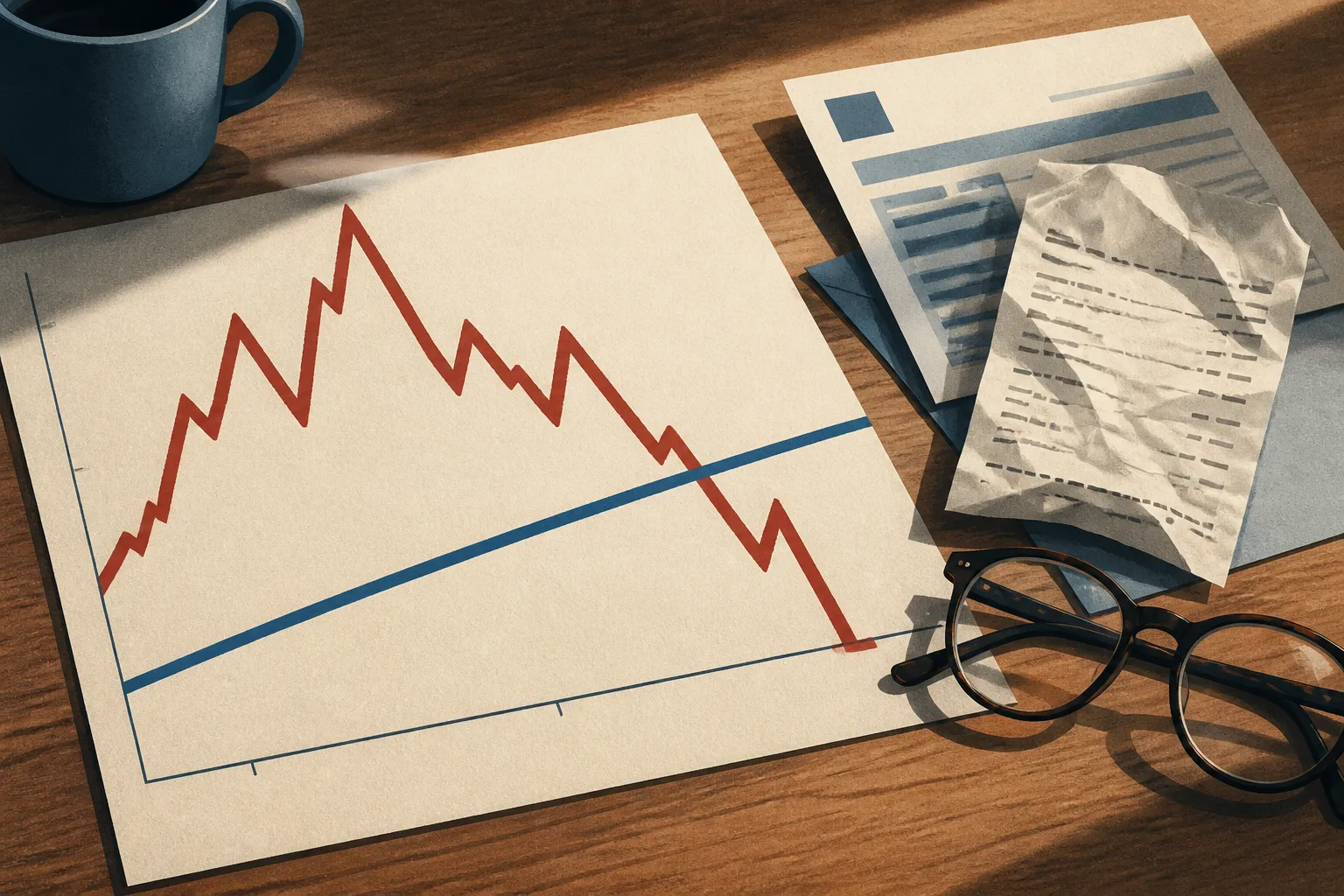
Hitting 2 percent has been hard. By the Fed's preferred measure, the personal consumption expenditures (PCE) price index, inflation has been above the target since 2021, according to the Atlanta Fed. The Dispatch reports it had been above 2 percent for 63 consecutive months as of its article date.
The PCE index is not the same as the Consumer Price Index, the figure most often quoted in headlines. The sources reviewed here do not explain how the two are calculated or how they differ. The Bureau of Economic Analysis publishes PCE and the Bureau of Labor Statistics publishes CPI, so those agencies are the places to check. When someone cites an inflation rate, ask which index they mean.
Forecasts vary. Peterson Institute authors Orszag and Posen wrote in January 2026 that they think inflation could exceed 4 percent by the end of 2026. They also noted that forecasters broadly expected a gradual descent toward 2 percent.
Politics adds noise. In October 2025, President Trump called a headline inflation rate of 2.7 percent "almost a perfect number," according to the Atlanta Fed. That is above the Fed's stated goal, which shows how differently the figure can be framed.
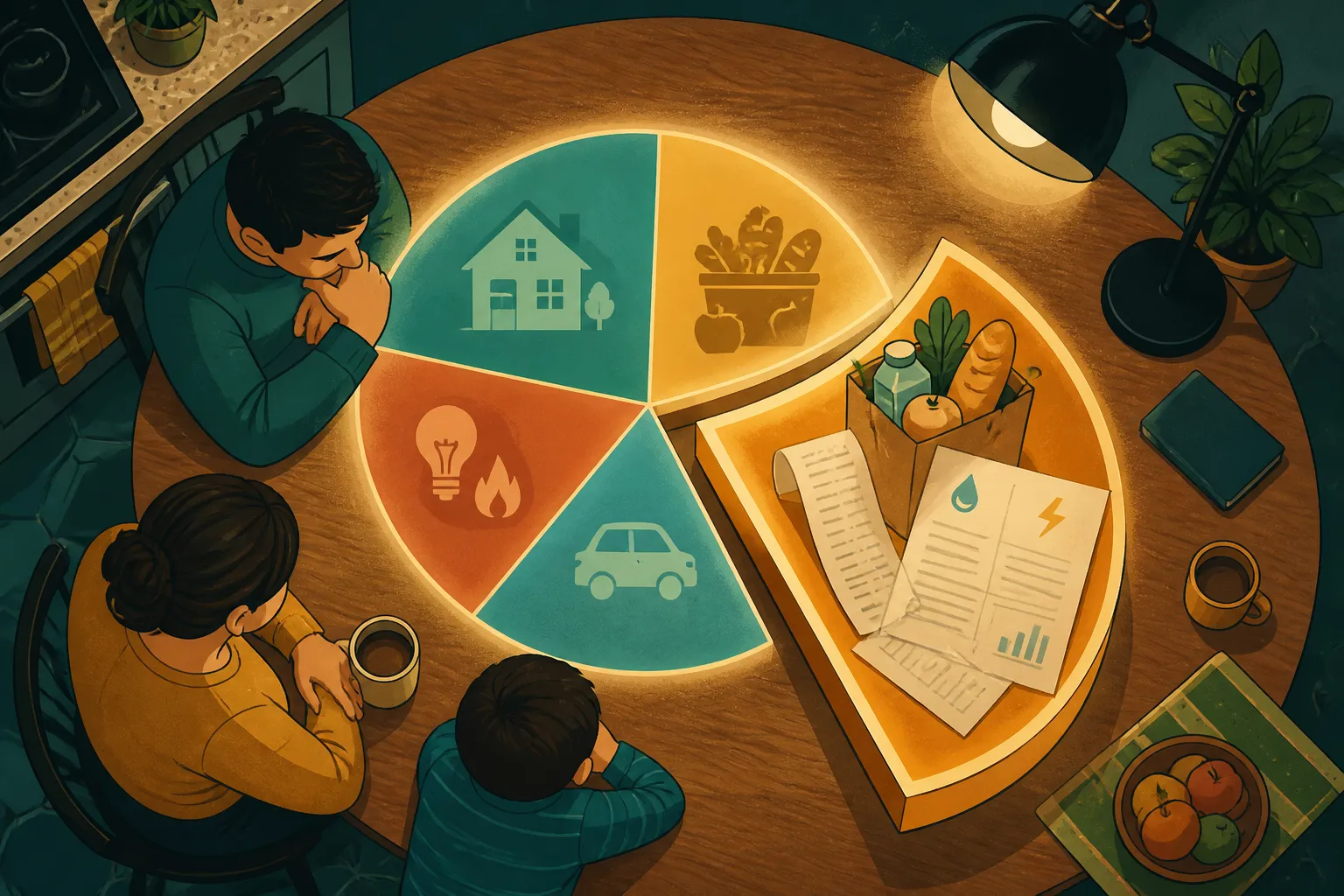
The practical takeaway is modest. A 2 percent target means prices are still expected to rise, so cash loses buying power over time. The sources do not break down what that means for a specific budget or savings plan. The target tells you the pace the Fed is aiming for. It does not tell you what your own costs will do.