










When winter utility forecasts enter the news, headlines usually reduce the entire country to a single percentage. That headline figure is often useless for an individual household ledger. A winter budget built on broad generalizations collapses quickly because energy markets do not move in tandem, and utility delivery depends heavily on infrastructure, regional weather, and specific fuel sources.
The U.S. Energy Information Administration (EIA) released its Winter Fuels Outlook on October 6, 2026, presenting a fractured outlook. Households that primarily rely on natural gas or propane, making up roughly half of all homes in the country, are projected to spend less on heating than they did last winter. Conversely, homes that rely on electricity or heating oil face higher projected bills. Relying on an aggregate national baseline obscures these differences and makes accurate planning difficult.
Why the national average can mislead your winter budget
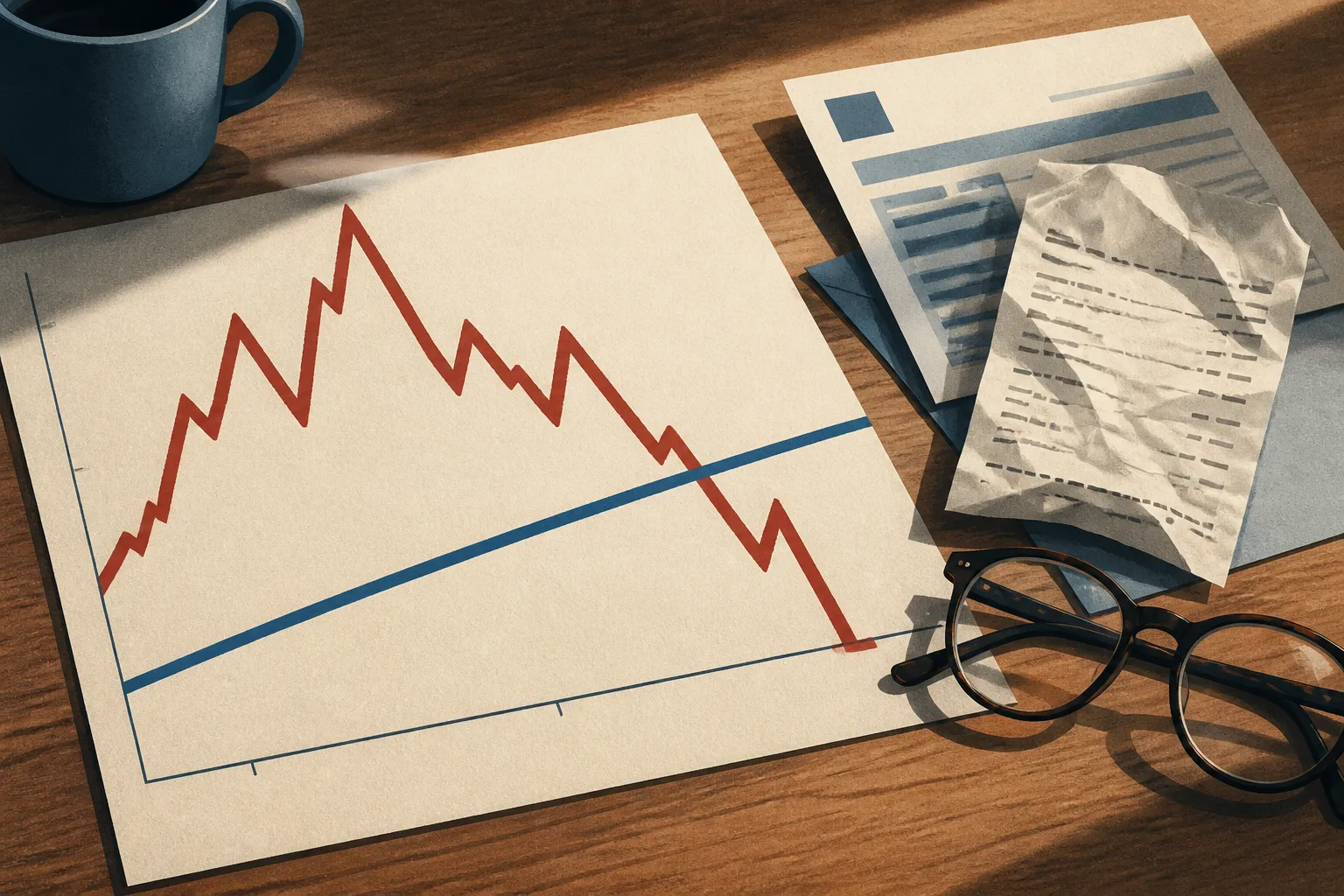
In federal energy reports, the winter heating season runs across a five-month span from November through March. Planning a household budget around this cycle requires looking at the total seasonal cost rather than a single cold billing cycle in January. If an aggregate index suggests energy prices are moderately stable, that stability is often an arithmetic illusion created by balancing sharp price spikes in one commodity against steep price declines in another.
Regional temperatures introduce another variable that disrupts national averages. The EIA expects total winter temperatures across the United States to stay close to both the prior year and the historical ten-year average. Beneath that calm surface, local weather patterns diverge sharply. Forecasts point to milder conditions across the Northeast following a severe 2025-26 winter season, while the western states face significantly colder conditions after experiencing an unusually mild winter the year before. The Midwest and the South are expected to track close to historical averages.
Because heating demand reflects local weather, two families using the same fuel can experience opposite financial outcomes. A home using natural gas in a region facing a severe freeze will burn more volume, which can easily erase any modest benefit from lower fuel rates. Budgeting requires accounting for local conditions rather than national weather summaries.
Reading the fuel-by-fuel projections
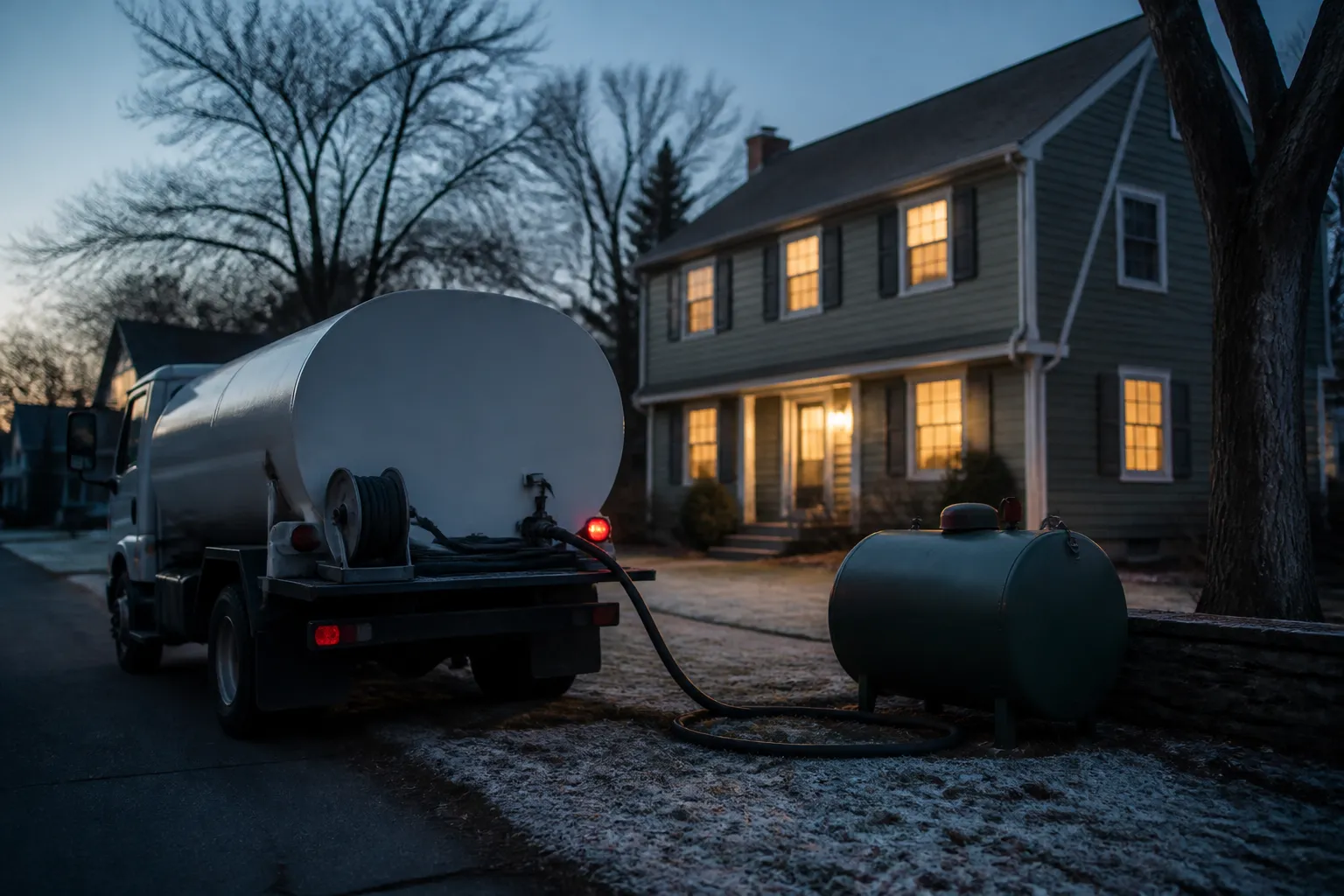
Price per unit and total volume consumed are the two components of every utility bill. The EIA outlook projects average heating-season expenditures of $640 for natural gas, a drop of 9 percent compared to the prior winter. Propane expenditures are projected at $1,246, representing a 3 percent decrease. In contrast, homes heating primarily with electricity face an average projection of $1,196, an increase of 4 percent, while heating oil users face the steepest climb, with spending projected at $2,115, a 21 percent jump.
Commodity prices explain most of this variance, according to a summary analysis from the Sandstone Group. Natural gas prices are forecast at roughly $13.44 per thousand cubic feet, falling 9 percent alongside flat expected consumption. Residential electricity is forecast at approximately 18.23 cents per kilowatt-hour, rising 3 percent alongside a 1 percent bump in projected consumption. Propane averages roughly $2.52 per gallon, down 2 percent with consumption down 1 percent. Meanwhile, retail heating oil is estimated at $5.26 per gallon, a 34 percent surge in unit price. That increase is partially cushioned by an expected 9 percent decline in heating oil use due to milder temperatures in the Northeast, where roughly 80 percent of heating oil consumers live.
The structural forces behind these figures illustrate why price volatility happens:
- Natural gas and propane cushion: Natural gas entered the winter heating season with strong inventory levels, creating a buffer against sudden demand surges. Wholesale propane prices have remained lower due to adequate regional supplies.
- Refining and distillate strains: Heating oil relies on distillate fuel markets, which face tighter supplies and elevated refining costs, pushing retail fuel delivery prices significantly higher.
- Regional variations: Propane costs illustrate wide regional spreads. Propane expenditures are forecast to drop 15 percent in the Northeast to roughly $1,687 and drop 4 percent in the Midwest to around $1,305, while remaining flat in the South.
Using the numbers to plan a winter budget
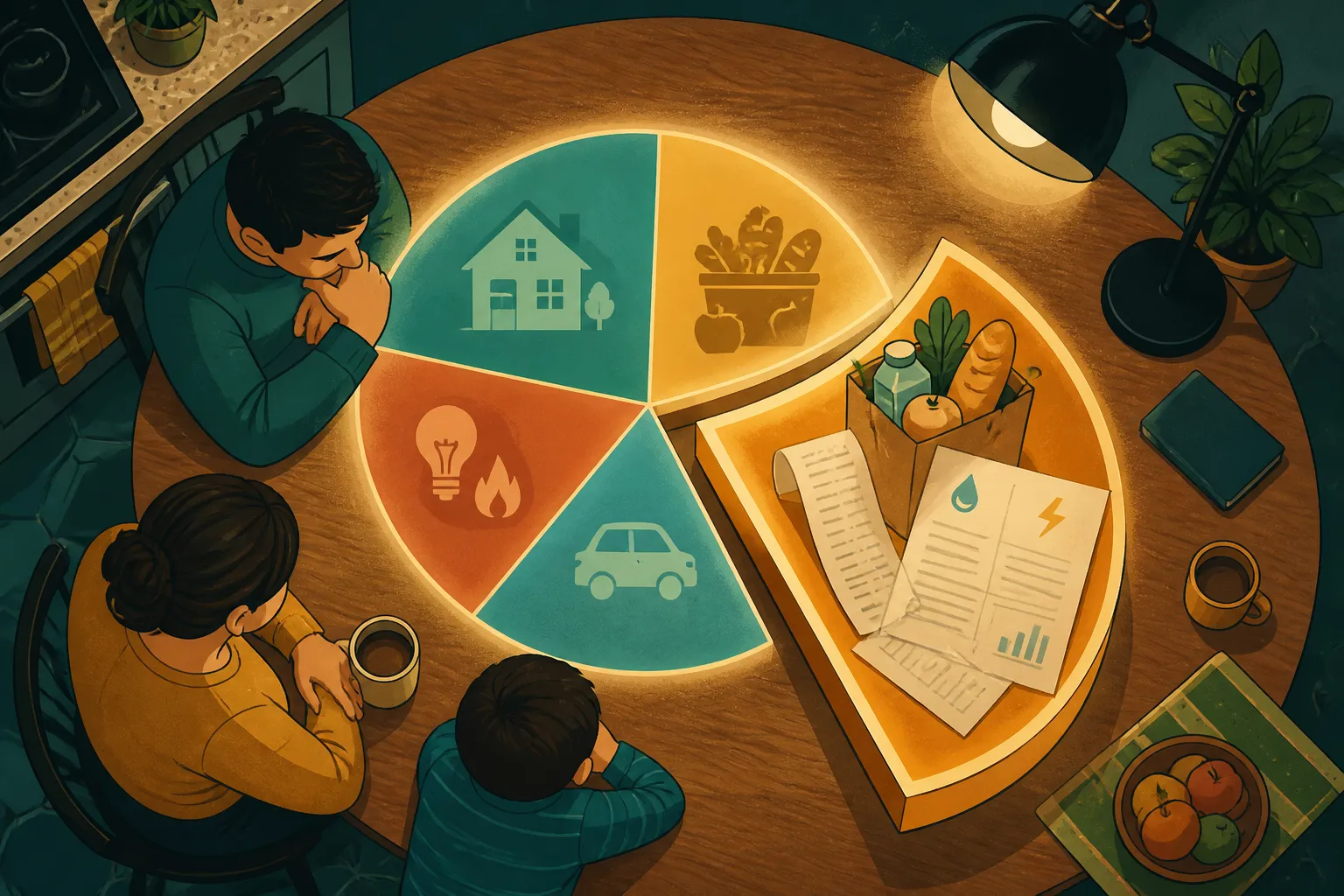
Translating federal market outlooks into an operational household budget demands a methodical approach. The first step is to confirm the primary fuel type listed on your lease or property disclosures. Heating with natural gas presents a very different financial posture than heating with baseboard electric heaters or an older oil furnace. Once you identify your fuel type, locate your region to see whether local temperatures are projected to drive volume up or down.
The second step is pulling your actual utility statements from November through March of the previous year. Because federal figures are baseline averages, they do not account for individual home characteristics. Square footage, insulation quality, drafty window frames, and thermostat preferences alter real-world consumption. By comparing last year's actual therms, kilowatt-hours, or gallons against the forecast percentage changes, you can establish a realistic baseline tailored to your home.
Finally, treat winter energy planning as an adjustable range rather than a fixed sum. The EIA updates its figures each month through its Short-Term Energy Outlook. Large-scale meteorological shifts, such as developing El Niño systems, frequently alter mid-winter temperatures and scramble early projections. Building a buffer into your monthly cash reserve prevents a mid-season cold snap from disrupting other financial obligations.
Red flags and gaps in the available information
Consumers evaluating seasonal heating forecasts must watch for contradictory data. While initial seasonal announcements cited specific baseline numbers, the EIA comparison tables show slight variations, listing seasonal expenditures at $642 for natural gas, $1,133 for electricity, $1,210 for propane, and $1,390 for heating oil. When examining energy reports, always verify the publication date and table revisions to ensure you are not comparing different modeling baselines.
Different organizations also calculate heating burdens using conflicting methods. For example, a report from the National Energy Assistance Directors Association projected average household heating costs across all fuel types to reach $1,030, an 8.7 percent increase over the prior year. This group serves state energy directors and highlights affordability pressures across lower-income demographics. Their composite calculation blends urban and rural energy profiles differently than the fuel-specific breakouts provided by federal agencies.
It is equally critical to note what these macroeconomic reports omit. The available data sets do not address utility payment assistance programs, state relief grants, or local shut-off protections. They also provide no guidance on how consumers should structure savings reserves for unexpected spikes, nor do they detail the mechanics of fixed-price propane pre-buy contracts. Furthermore, broader headline inflation metrics from the Bureau of Labor Statistics household energy index require separate tracking to see how local delivery charges, distribution surcharges, and grid maintenance fees layer on top of raw wholesale fuel costs. Forecasts offer directional insight, but direct review of local tariff schedules remains essential for maintaining an accurate household budget.
Please seek a professional. This article is general information, not financial, tax or insurance advice. Please seek a licensed financial, tax or insurance professional about your own situation.