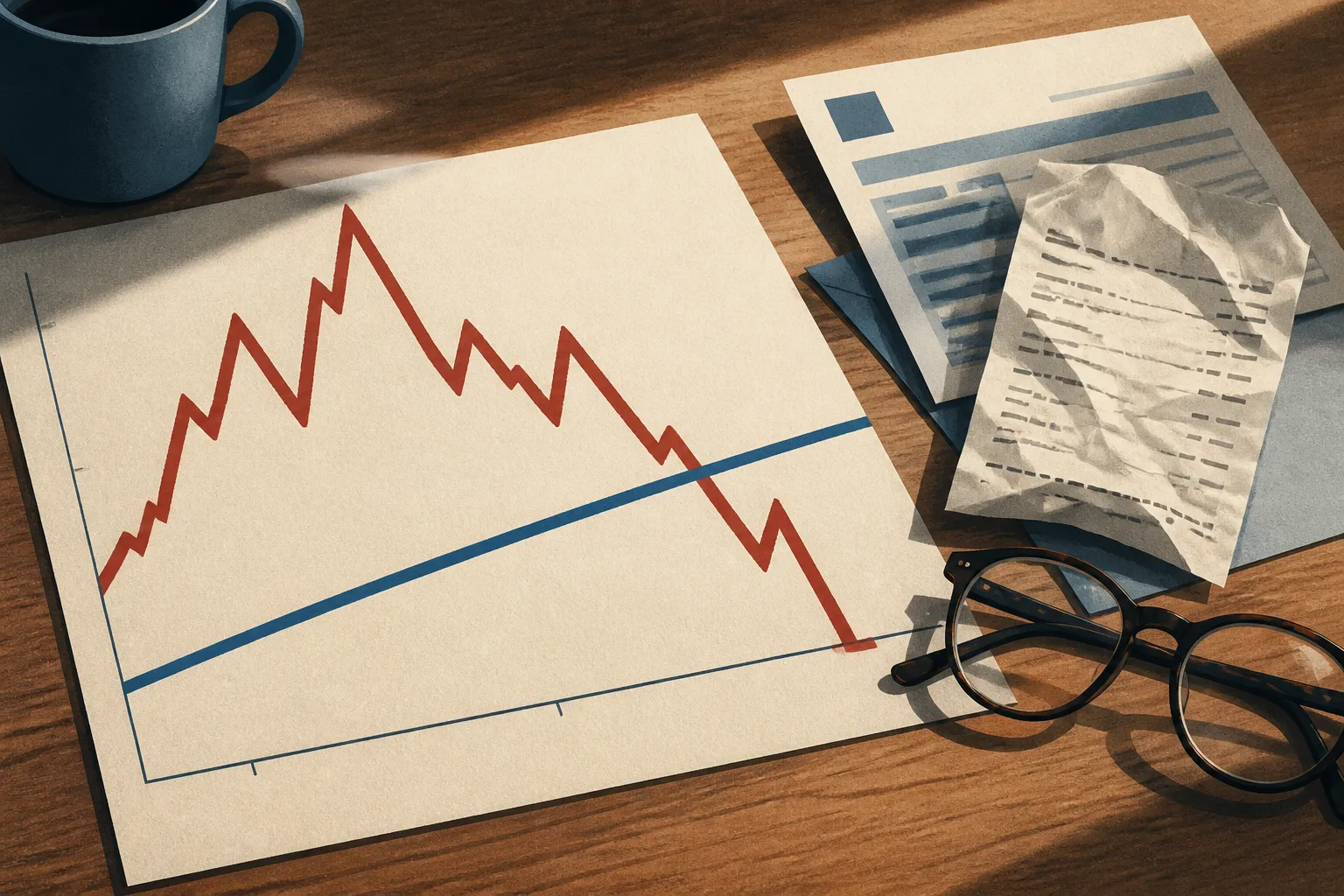

You have a dollar amount from an earlier year and you want to know what it might be worth now. The Bureau of Labor Statistics (BLS) runs a free tool for this on its website. It is called the CPI Inflation Calculator. This guide covers where to find it, how to approach it, and where its answers stop being useful.
Finding the official tool
The calculator is listed among the popular data tools on the BLS site. It sits next to links for Data Retrieval Tools and the Charts for Economic News Releases. The address is https://www.bls.gov/data/inflation_calculator.htm. Start there.
Check the address bar before you type anything. Federal government sites usually end in .gov or .mil. Copycat sites exist, and a page that looks official is not proof that it is. If the address does not end in .gov, close the tab.
A second BLS page, at https://www.bls.gov/data/inflation_calculator_inside.htm, also carries the calculator. The text we reviewed does not describe how it differs from the main page. That suggests an inside version of the tool exists, but we cannot say more. Use the main address and you avoid the question.
Working through the calculator
The sources we reviewed show only the calculator's title and the page navigation. They do not walk through the entry fields or explain how to read the result. So this guide will not invent a step list. Open the page and follow the labels on the screen.
In general, a tool like this asks for a dollar amount and two points in time. You pick the period your money comes from and the period you want to compare it to. Then it reports an adjusted figure. Read each field label carefully, because the page itself is the authority on what it asks for and in what format.
Once you have a result, read any notes printed on the calculator page. Those notes, not this article, tell you how the figure was produced. If you plan to quote the number in a report, a letter, or a budget, say which tool produced it and which dates you used. That lets anyone repeat your check.
What the index behind it is
The calculator draws on the Consumer Price Index, or CPI. BLS publishes a CPI Frequently Asked Questions page. That page is the place to learn what the index covers, which items and areas it includes, and how often it is updated. The sources we reviewed do not state those details, so we will not paraphrase them here.
The same gap applies to the calculator itself. Our sources do not say whether its results reflect a single index, regional data, or seasonally adjusted data. Check the notes on the calculator page and the FAQ for that.
For a wider view, the BLS overview of statistics on inflation and prices collects its related measures in one place. The St. Louis Fed also published a Page One Economics article, Adjusting for Inflation, dated January 3, 2023. It is a good place to learn the idea behind the arithmetic before you rely on the output.
Limits and related resources
Any single index result is an average idea applied to your one dollar. Your own prices may have moved differently. If rent jumped while groceries stayed flat, a general measure will not match your life. Treat the calculator's answer as a rough yardstick, then compare it with your own bills and receipts.
One concrete habit helps. Pull one old receipt or bill, enter its amount and date, and see how the result compares with what you pay today for the same thing. The gap between the two numbers tells you more about your household than the calculator alone.
BLS also publishes a fact sheet, How to Use the Consumer Price Index for Escalation. We could not read it, so we cannot summarize it. Its title points to contracts that adjust over time. If you hold such a contract, read the fact sheet and your own agreement directly. A lawyer or other qualified professional can answer questions about your specific terms.
Teachers and students have a lighter option. The BLS classroom activity My dollar is worth what? is aimed at the idea of what a dollar buys. It is a gentle way to practice before you touch real money decisions.