
When everyday prices climb across multiple categories at once, a spending plan built on older numbers quietly breaks down. The gap between what a household expects to spend and what checkout registers actually charge is often where unplanned debt begins, making a systematic review necessary before monthly balances fall behind.
- Collect bank and credit card statements from the past three months to calculate true outlays rather than relying on rough estimates.
- Identify absolute dollar increases across recurring bills instead of focusing only on headline percentage shifts.
- Map fixed payment due dates directly against scheduled income deposits to spot mid-month cash crunches.

- Divide monthly expenses into protected essentials, flexible necessities, and non-essential optional purchases.
- Protect baseline emergency reserves so unplanned expenses do not instantly force reliance on revolving credit.
- Verify debt relief claims through official consumer protection channels before paying upfront service fees.
Why rising prices call for a fresh look at spending
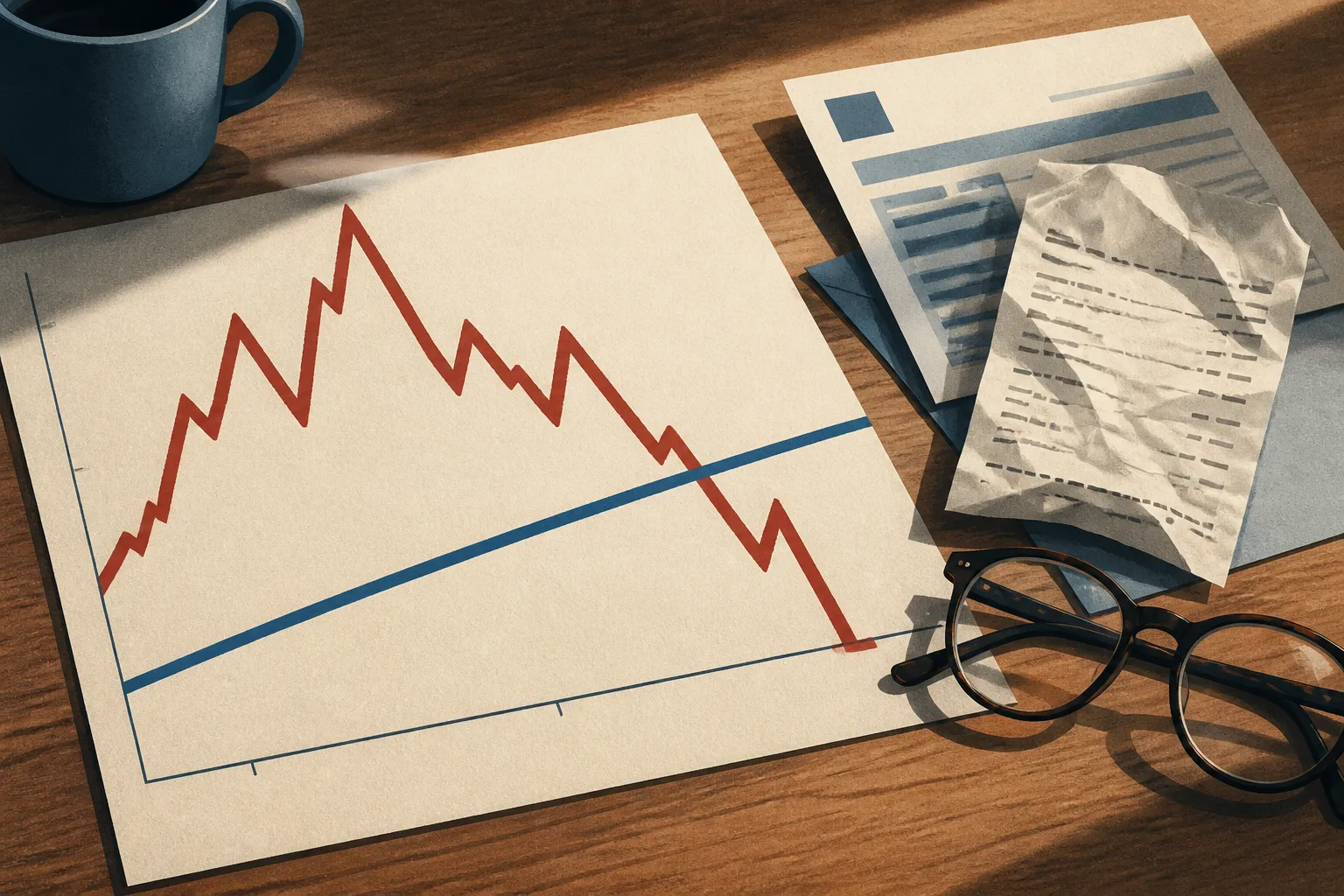
Inflation means the routine cost of living rises even when household income remains unchanged. When milk, utility rates, and vehicle maintenance increase simultaneously, an outdated budget creates a recurring deficit. Many households do not notice the shift immediately because the changes happen a few dollars at a time across dozens of receipts. Recognizing this divergence early allows you to make deliberate adjustments before depleted checking balances turn into persistent credit card balances.
Official economic releases provide broad national measures, but they rarely reflect an individual household perfectly. The Bureau of Labor Statistics compiles the Consumer Price Index to track urban purchasing patterns, yet the agency explicitly notes that published averages may not match your personal spending if your consumption differs from that baseline. A driver with a long commute absorbs gasoline price changes differently than a transit commuter, just as a large family spends a much higher share of income on groceries. To review current primary figures directly, you can consult the Bureau of Labor Statistics CPI release.
Surveys confirm how widely these pressures are felt. According to the Federal Reserve report on the Economic Well-Being of U.S. Households, price increases were cited as a primary financial worry, with just over nine in ten adults indicating that elevated costs remained an active concern. Secondary market commentaries occasionally report specific annualized inflation rates, such as recent claims of a 3.5 percent year-over-year rate with falling energy costs offsetting shelter gains. However, because secondary commentary can misquote technical benchmark dates, it is safest to examine primary releases and focus on the prices printed on your own receipts.
Rebuild the budget from real records
A durable spending plan cannot rely on memory. The most reliable starting point is an audit of your actual banking and card transactions from the previous ninety days. When households estimate their spending from memory, they routinely undercount occasional pharmacy visits, digital subscriptions, and small convenience store stops. Pulling settled transactions into a simple ledger reveals exactly where cash exited your accounts during recent billing cycles.
Once the real totals are visible, sort them by absolute dollar changes rather than percentages. A five percent increase on a two thousand dollar rent payment costs one hundred dollars each month. In contrast, a twenty percent jump on a fifteen dollar streaming service costs three dollars. Focusing primarily on the highest percentage shifts can distract attention from large, structural expenses that actually drive monthly shortfalls. Evaluating actual dollar movements clarifies where a spending adjustment will yield meaningful results.
It is equally useful to transition from a static monthly view to a cash-flow perspective. As outlined in strategies from Smart Budget Hacks on inflation budgeting, aligning the calendar dates of your major bills with your paydays prevents temporary liquidity shortages. When several heavy utility and loan obligations come due during the first week of the month, a household might run short of cash even if their total monthly earnings theoretically exceed their expenses. Scheduling due dates evenly across the pay cycle prevents unnecessary overdraft charges and late fees.
Sort spending into three layers
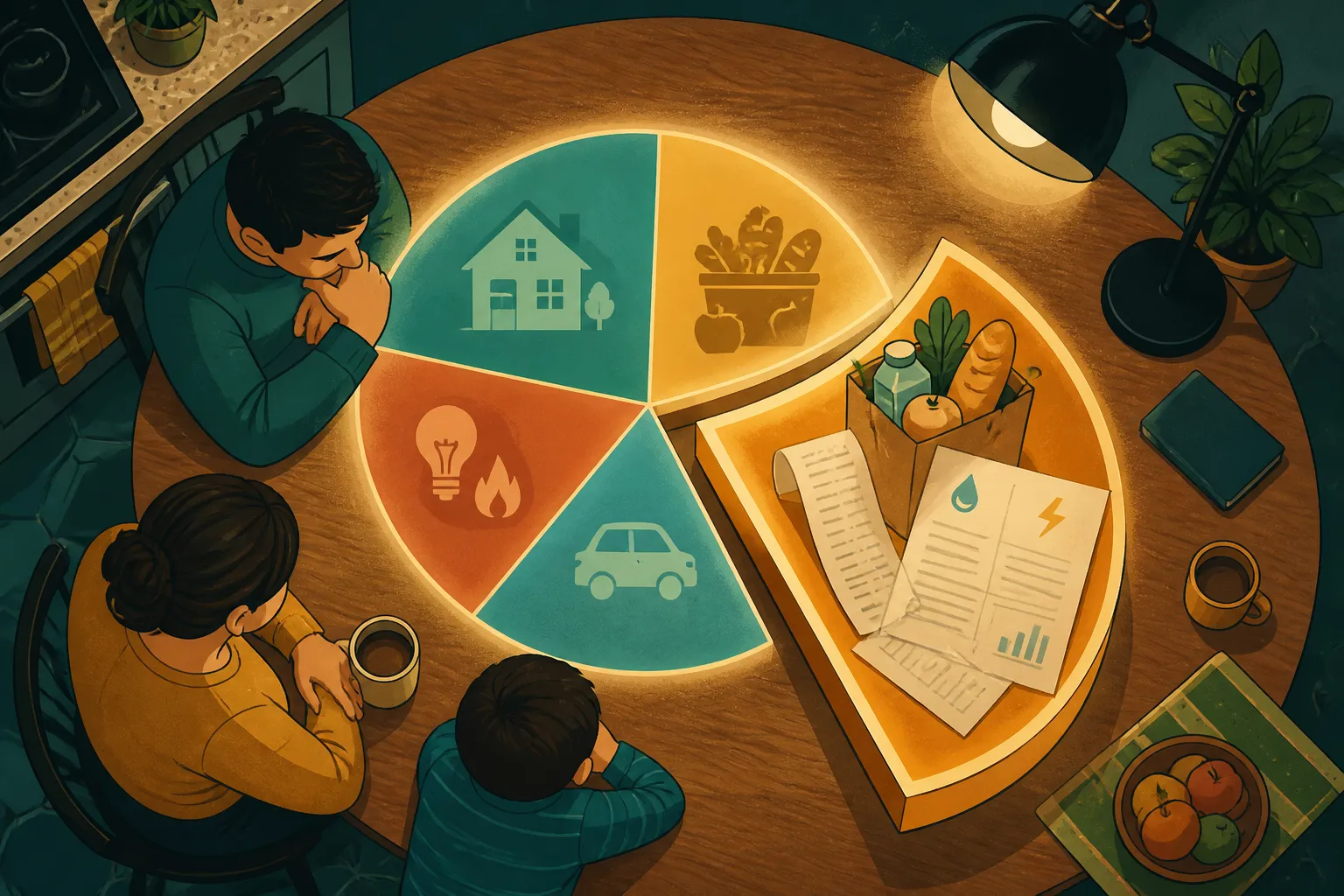
Rather than cutting every budget line by an arbitrary percentage, categorize expenses into three practical tiers: protected costs, flexible essentials, and optional spending. Protected costs include shelter, primary utilities, core transportation, necessary medical insurance, and required minimum loan payments. Flexible essentials represent unavoidable needs that still offer room for tactical adjustments, such as grocery staples, cellular data packages, and household supplies. Optional spending encompasses discretionary activities like restaurant dining, entertainment subscriptions, and recreational travel.
The objective of this three-tier model is targeted stability. Slashing expenses across every category equally often creates friction in daily living, causing the plan to fall apart within weeks. When you protect non-negotiable obligations first, you establish a solid operational foundation. From there, you can redesign how you meet flexible necessities by shifting meal planning habits, comparing alternative utility rate plans where permitted, or adjusting home broadband tiers.
Targeting the few categories that command the largest portions of your income delivers far greater relief than micromanaging minor indulgences. Eliminating a small weekly convenience rarely solves a structural deficit caused by climbing rent or auto insurance premiums. Examining contractual service agreements, requesting competitive quotes, and modifying consumption patterns in dominant categories creates measurable breathing room while keeping essential obligations secure.
Protect your buffers and keep debt in view
Persistent inflation steadily chips away at spare liquid cash, which makes preserving an emergency reserve essential. An emergency fund is a dedicated cash cushion designed to absorb unplanned events such as mechanical breakdowns, home maintenance issues, or sudden income disruptions. Guidance from the Consumer Financial Protection Bureau on emergency savings emphasizes that even a modest cash cushion helps households recover from unexpected expenses without derailing wider financial goals.
Emergency savings and debt control function as interconnected defenses. Without a liquid cash reserve, an unexpected medical bill or tire replacement frequently lands on a high-interest credit card, compounding future monthly expenses through finance charges. Maintaining a dedicated cash cushion breaks this cycle, providing immediate liquidity that prevents short-term emergencies from becoming multi-year liabilities.
Managing existing obligations requires careful navigation around predatory services. The Federal Trade Commission warns consumers about misleading debt relief operators in its FTC guidance on getting out of debt. The agency highlights that disreputable firms often promise to settle outstanding liabilities or tax debts for pennies on the dollar without reviewing individual documentation. These operators frequently extract hefty upfront fees while providing no measurable relief, leaving borrowers in deeper financial trouble. Working directly with formal loan servicers or verified non-profit credit counselors provides a safer path forward.
Determining whether to direct extra funds toward debt reduction or emergency savings depends on personal interest rates, job stability, and existing cash balances. Because public research documents do not prescribe a universal mathematical formula for balancing both goals, households should review their current balance sheets cautiously and consult objective educational resources before committing their remaining monthly surplus.
Please seek a professional. This article is general information, not financial, tax or insurance advice. Please seek a licensed financial, tax or insurance professional about your own situation.