







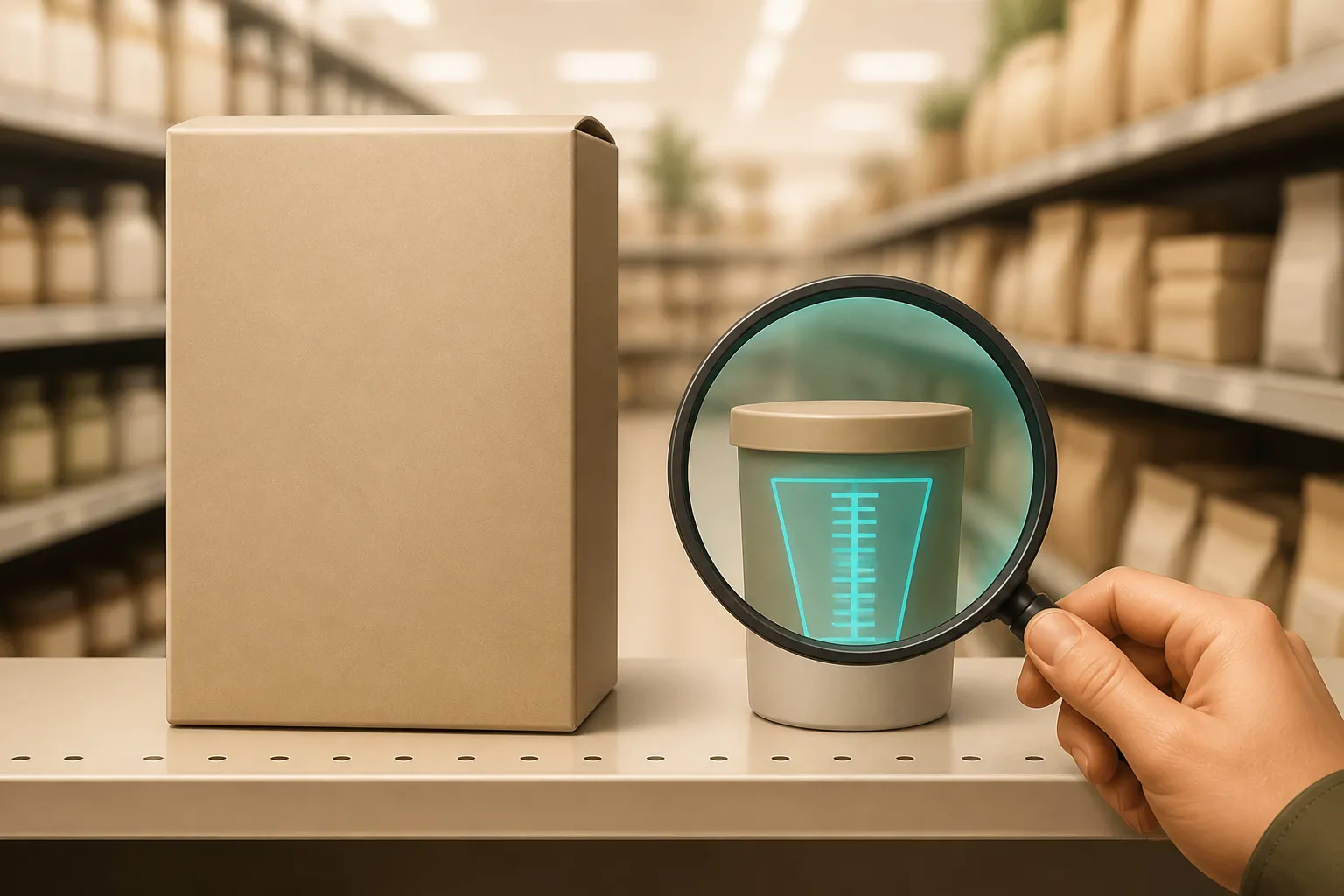
When you walk down a grocery aisle, your brain is conditioned to look at the big, bold number on the shelf tag. That sticker price is an immediate signal of what you will pay at the register. However, in an economy where manufacturers frequently adjust package sizes to navigate rising costs, that single number is often a poor indicator of value. To understand what your dollar actually buys, you must look past the total price to find the unit price.
Unit pricing reduces products of various sizes and shapes to a common baseline, such as cost per ounce, per gram, or per liter. By ignoring the package size and focusing on this standardized cost, you can see if a "family size" box is truly a bargain or if a smaller container offers more for your money.
Why the sticker price can mislead
The total price tag on a shelf only tells part of the story. It represents the cost of that specific volume of goods, but it does not account for the hidden impact of shrinkflation. Shrinkflation occurs when a manufacturer reduces the quantity of an item while keeping the total price the same or lowering it only slightly. Because shoppers often react more strongly to price hikes than to downsizing, manufacturers use this tactic to offset rising production costs without triggering a direct price-shock response. While research suggests shrinkflation had a minimal impact on overall national inflation rates between 2019 and 2024, it has a measurable effect on your individual grocery bill.
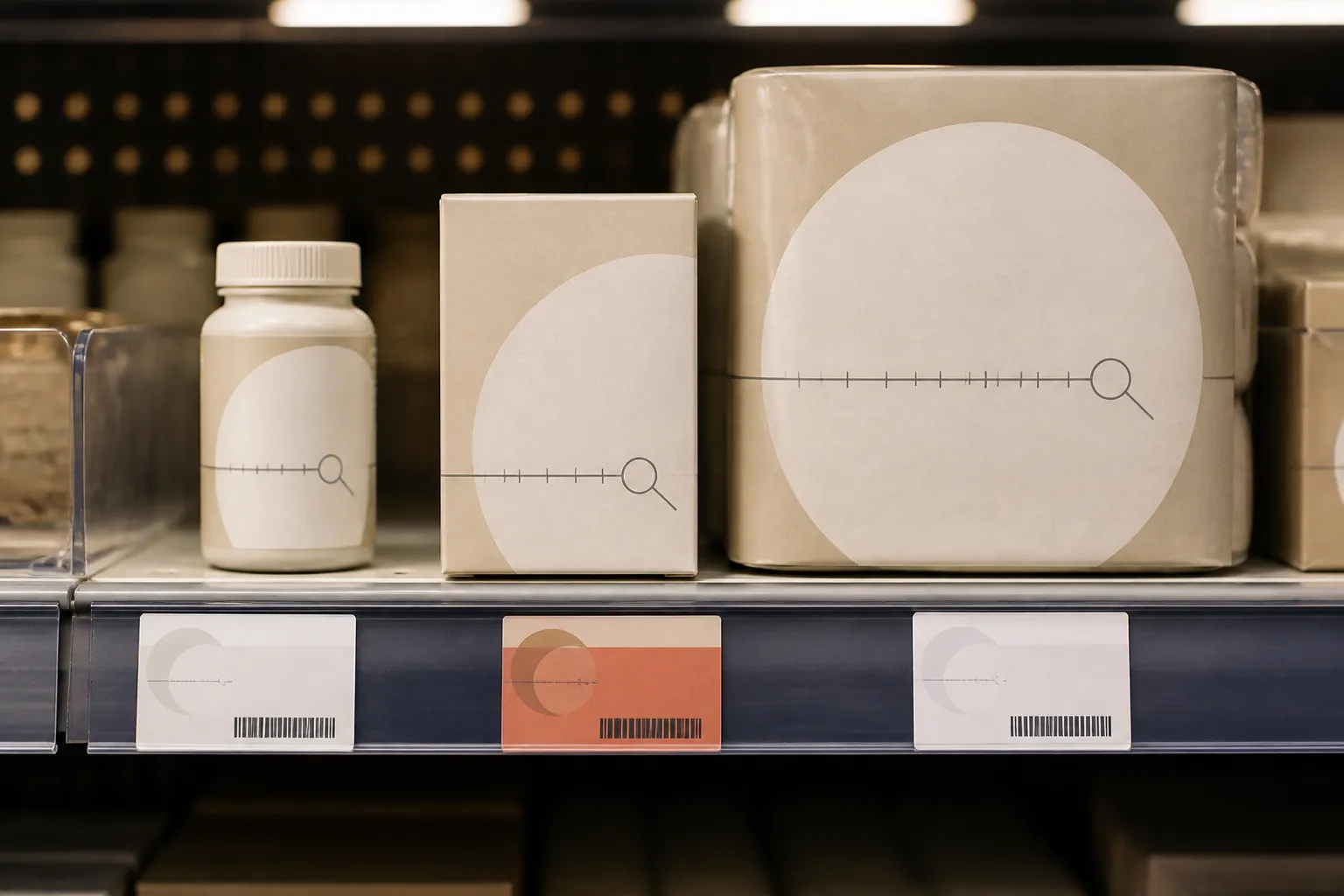
You can calculate the unit price using a simple formula: take the total price of the item and divide it by the total weight or volume. For instance, if a 12-ounce box of cereal costs $2.99, you divide $2.99 by 12 to reach approximately $0.249 per ounce. Many stores now print this unit price directly on the shelf tag, providing a convenient reference point. When checking these labels, be sure the units match. You cannot compare a box measured by weight in ounces against a pack measured by count unless you perform the conversion yourself.
Comparing brands, forms, and package sizes
Price is a vital factor, but it should not be the only one. When you find a product with a lower unit price, consider whether that item meets your specific household needs. A bulk package that offers a lower unit cost only saves you money if you consume the entire volume before it spoils. If a five-pound bag of produce goes to waste because you cannot eat it in time, the lower unit price becomes irrelevant.
Furthermore, compare the various forms of the same product. Frozen, canned, and dried versions of a food staple often carry different unit prices than their fresh counterparts. Store brands also frequently offer lower unit costs than name brands for essentially the same product. As you compare these, keep the nutrition facts in mind. Always check labels for sodium, protein, sugar, and fat content to ensure that a cheaper unit price does not result in a product that does not align with your nutritional goals.
Using coupons and checking for downsizing
Coupons can sometimes obscure the true value of an item. A discount might make a product look like a steal, but you should run the math to confirm the final unit price remains lower than the alternatives on the shelf. If the price per unit is still higher than a store-brand equivalent, the coupon may not be the savings vehicle it appears to be.
To catch instances of downsizing, try to remember the past sizes of your regular purchases. If you notice a package looks smaller but the total price remains unchanged, check the unit price. If the per-unit price has climbed despite a steady or slightly lowered total price, you are likely witnessing a subtle shift in value. This methodical approach to checking tags allows you to remain in control of your budget.
Putting rising food costs in context
The broader economic environment provides a backdrop for these individual shopping choices. According to data from the Economic Research Service, food-at-home prices saw a 1.8 percent increase from September 2025 to September 2026. While some categories, such as eggs or beef, have seen significant volatility due to supply-side issues, the average household still faces a steady, if slower, rise in costs. Farm-level commodity prices are only one part of the equation, as processing, packaging, and retail operations account for a large portion of what you see on the shelf. Because you have little influence over those industry-wide costs, mastering the unit price at the store remains one of the most effective levers available to manage your own food spending.