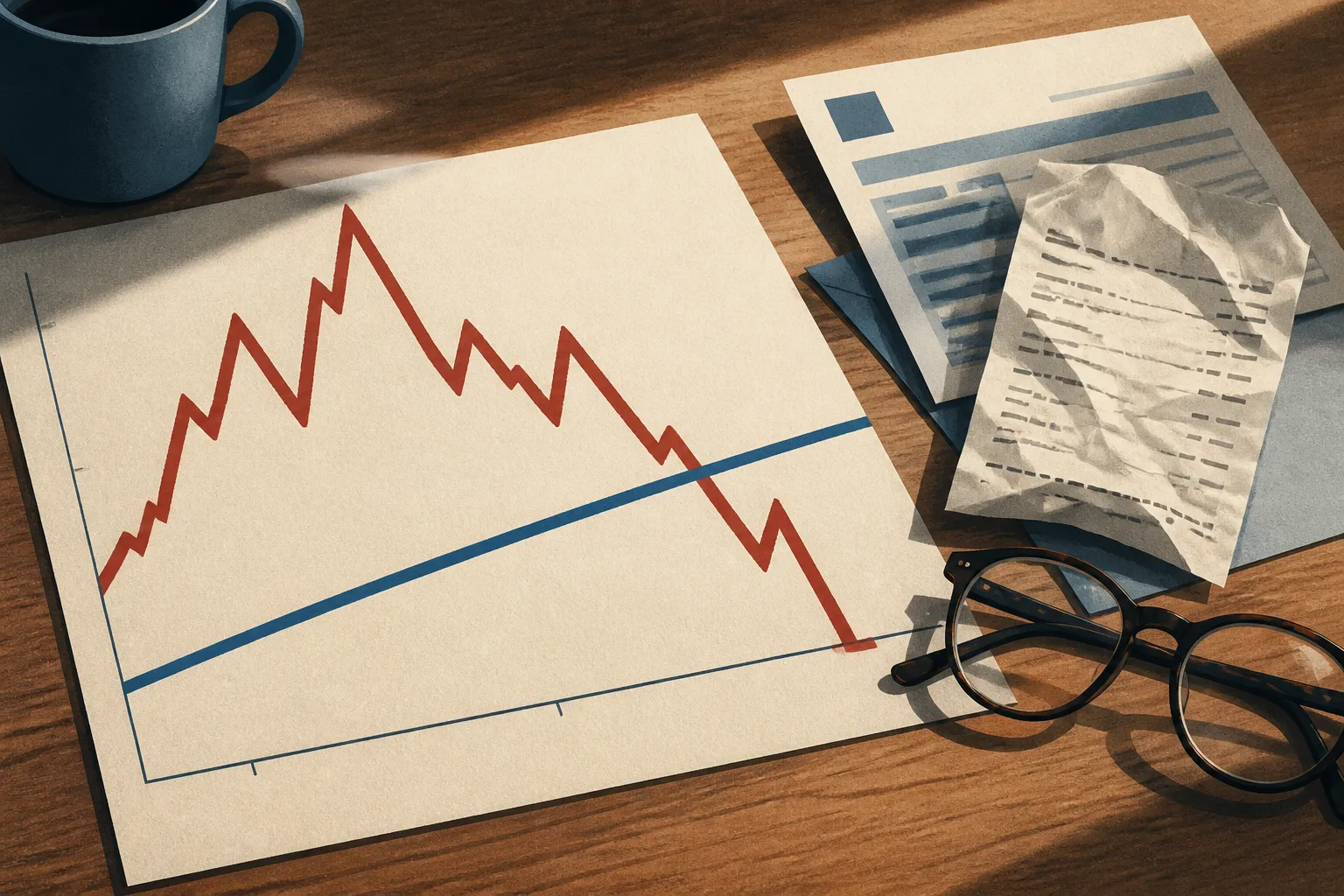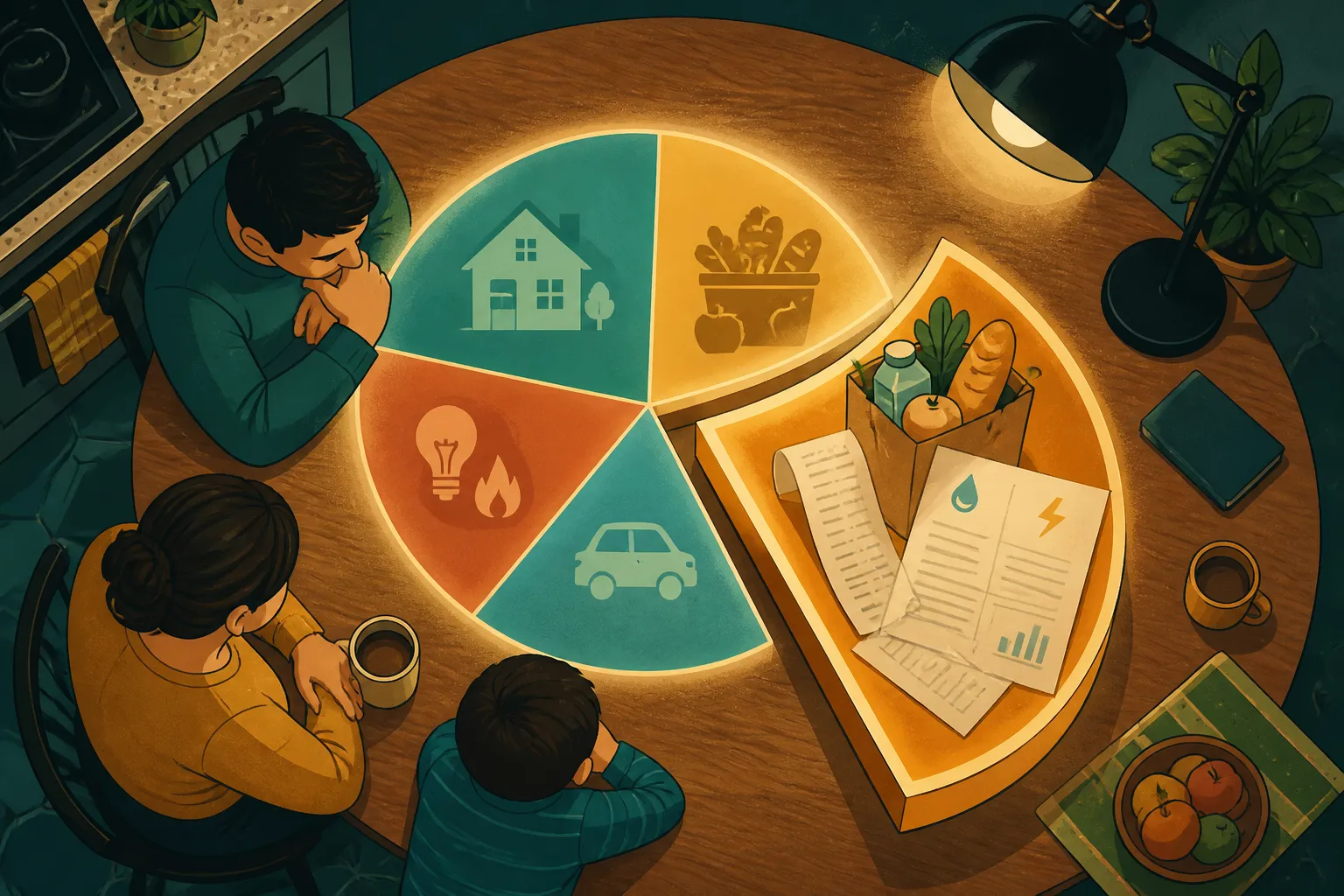

When the cost of groceries, fuel, and housing climbs rapidly, borrowing money soon becomes more expensive as well. This connection between rising store prices and rising loan costs is not accidental. It is the direct result of deliberate actions taken by central banks to slow the pace of price increases across the broader economy.
Why Inflation Puts Pressure on Interest Rates
Inflation measures the general increase in prices for goods and services over time. When inflation runs hot, every dollar buys a smaller basket of essentials than it did before. The Federal Reserve serves as the central bank of the United States. Its mission includes maintaining a stable financial system through a dual mandate given by Congress: stable prices and maximum sustainable employment. To see how the central bank frames this mandate, readers can review the Fed's guide on inflation and employment.
The economic relationship between prices and borrowing costs comes down to balance between supply and demand. When consumer and business demand runs ahead of what factories, farms, and shipping networks can provide, sellers raise prices. To keep that cycle from feeding on itself, the central bank raises the cost of credit. When borrowing is more expensive, households postpone large purchases and businesses trim expansion plans. At the same time, higher yields encourage saving rather than spending. This cooling of overall demand takes pressure off prices, though the shift happens gradually rather than overnight.
How the Federal Reserve Adjusts Its Policy Rate
The Federal Reserve does not directly set the interest rates charged on retail car loans or store credit cards. Instead, the Federal Open Market Committee establishes a target range for the federal funds rate. This benchmark is the interest rate commercial banks charge one another for unsecured overnight loans. When the committee raises that target, short-term borrowing costs between financial institutions increase immediately.
Commercial banks pass those costs along to other lending markets. The federal funds rate serves as an anchor for the prime rate, which is the baseline lending rate banks offer to corporate clients with strong credit. As the cost of institutional funding rises, banks adjust their underwriting terms and pricing across consumer products. For a broader explanation of these rate mechanics, the Fed's overview of interest rates outlines how rate shifts ripple through the financial system over several quarters.

What Higher Rates Mean for Consumers
The transmission of policy rates to household budgets depends on the type of debt a borrower carries. Credit cards feel the shift quickly. Most consumer credit cards carry variable annual percentage rates tied directly to the prime rate. When the central bank lifts its benchmark, cardholders generally see their borrowing rates climb within one or two billing cycles, which raises the monthly finance charge on any unpaid balance.
Installment loans respond through different timelines:
- New auto loans and personal lines of credit: Lenders set baseline interest rates for new applications higher to protect their own profit margins, which increases monthly payments for future borrowers.
- Fixed-rate mortgages: Existing homeowners with fixed-rate mortgages keep their locked interest rate for the duration of the loan term. However, prospective buyers face higher financing costs because long-term mortgage rates track broader bond market yields.
- Adjustable-rate mortgages: Borrowers with existing adjustable mortgages face higher monthly payments once their initial fixed periods expire and the loan resets to current market benchmarks.
There is also an upside for savers. As lending institutions compete for cash deposits to fund their operations, yields on deposit accounts tend to climb. High-yield savings accounts, money market accounts, and certificates of deposit begin paying higher returns during rate-hiking cycles. Even so, the speed and size of those deposit increases vary widely among individual institutions, making careful comparison across depository accounts necessary.
Tradeoffs, Limits, and Reading the Official Numbers
Cooling inflation by raising rates carries real economic risks. Higher borrowing costs cause companies to rethink capital investments, freeze hiring pipelines, or trim headcount. If the central bank raises rates too fast or holds them high for too long, economic growth can stall. Balancing this trade-off between price stability and healthy employment is the core challenge of monetary policy.
Central banks around the world share similar inflation benchmarks. For example, the Bank of England's interest rate resources note a long-term inflation target of 2 percent for the United Kingdom. The Federal Reserve maintains a similar 2 percent annual inflation objective for the United States, measured primarily through the Personal Consumption Expenditures price index. Policymakers aim for a low, predictable rate of price increases rather than zero percent, because modest inflation leaves room for wages and production to adjust without slipping into deflation.
For household planning, higher interest rate environments serve as a practical reminder to review personal budgets. Examining credit terms, prioritizing high-cost variable debt, and shopping around for competitive deposit rates are standard ways to navigate changing economic cycles. This analysis is educational and does not constitute individual financial, legal, or tax advice.