
A gift card holds a stated dollar amount. That amount does not change when store prices rise. If prices climb while a card sits unused, the same balance buys less. The sources behind this piece cover card rules and fees, not inflation math, so the price example below is a made-up illustration.
Why a fixed balance can buy less over time
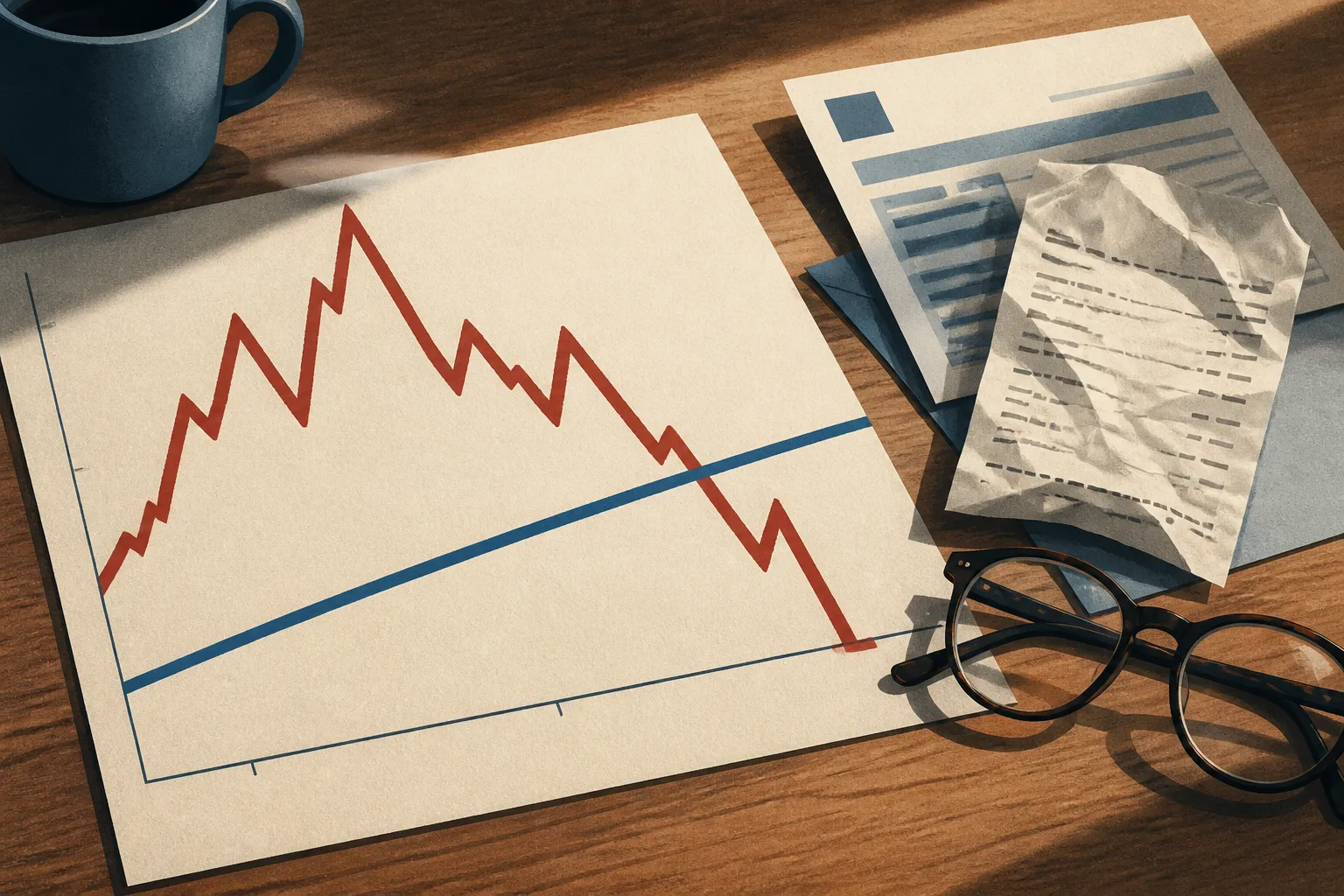
A twenty-five dollar card is still twenty-five dollars in five years. Inflation is a broad rise in prices over time, and it reduces what each dollar buys. Here is a hypothetical. A $20 item rises 10 percent and costs $22. A shopper who bought it with a $25 card now has $3 left instead of $5. The balance did not shrink on the card. Its purchasing power did.
Real prices do not move evenly. Food, clothing and electronics change at different rates, and the rate differs by place and season. Nothing in the reviewed sources gives price data for gift card purchases, so the size of the loss for any one card is unknown. A stored card also earns no interest to offset rising prices.
What federal law protects
The Credit CARD Act of 2009 sets a floor. Gift card funds generally cannot expire within five years of activation. The plastic may carry an earlier date, but the funds should stay reachable. For prepaid cards, the Consumer Financial Protection Bureau says the cardholder agreement may describe steps to avoid losing money at expiration, such as asking for a replacement card. It also notes that closing the account and asking for a check may carry a provider fee.
Fees have limits too. Under Regulation E, 12 CFR 1005.20, covers gift cards and gift certificates. For covered cards sold on or after August 22, 2010, a bank generally cannot charge a dormancy, inactivity or service fee unless there has been no activity in the one-year period ending when the fee is imposed. No more than one such fee may be charged in a calendar month.
Not every card is covered the same way. The sources do not say which rules apply to a specific card, so the issuer's terms matter.
How state rules can differ
States can add protection. According to the National Conference of State Legislatures, thirty-eight states, Guam and Puerto Rico have expiration or fee provisions. Fourteen states and Puerto Rico let at least part of a card be redeemed for cash.
Unclaimed property rules differ as well. Alabama presumes a gift certificate abandoned three years after June 30 of the sale year. If it can only be used for merchandise, the presumed abandoned amount is 60 percent of face value. Alaska presumes abandonment three years after a certificate goes unclaimed, and the amount is the price the buyer paid. The sources do not explain how to request cash redemption or file an unclaimed property claim, so a holder should check the state's own treasury or unclaimed property office.
Checking terms before you buy or hold a card
Fee terms must be clear. HelpWithMyBank.gov says gift card fees must be stated clearly and conspicuously on the card or certificate itself. That includes the amount, how often the fee may be charged, and that it may be charged for inactivity. Packaging alone is not enough. A toll-free number and, if one exists, a website must also appear on the card.
Before buying or stashing a card, ask these questions:
- Does the card have an expiration date, and what does it say?
- What inactivity or service fee applies, how often, and after how long without use?
- Can the balance be redeemed for cash, or only for goods?
- Is a toll-free number printed on the card?
Some warning signs are worth noting. Fee or expiration terms that appear only on packaging are one. An inactivity fee within the first twelve months on a covered card is another. So are several dormancy or service fees in one month. Each could point to a problem under the federal rules, but a holder should confirm with the issuer before drawing a conclusion.
Reading unused-balance estimates with care
Big national tallies circulate every season. The Independent reported in January 2026 a campaign estimate of $23 billion in unused gift cards, about $244 per person. A CNBC Select article cited an average of $175 in unused cards and framed cashing them in as a way to offset high inflation.
Treat both as estimates. Both come from commercial or campaign sources, and neither gives an independent method. Spending a card sooner does stop its real value from slipping further. It does not change prices. For more on card basics, the FDIC consumer guide is a good place to start.