








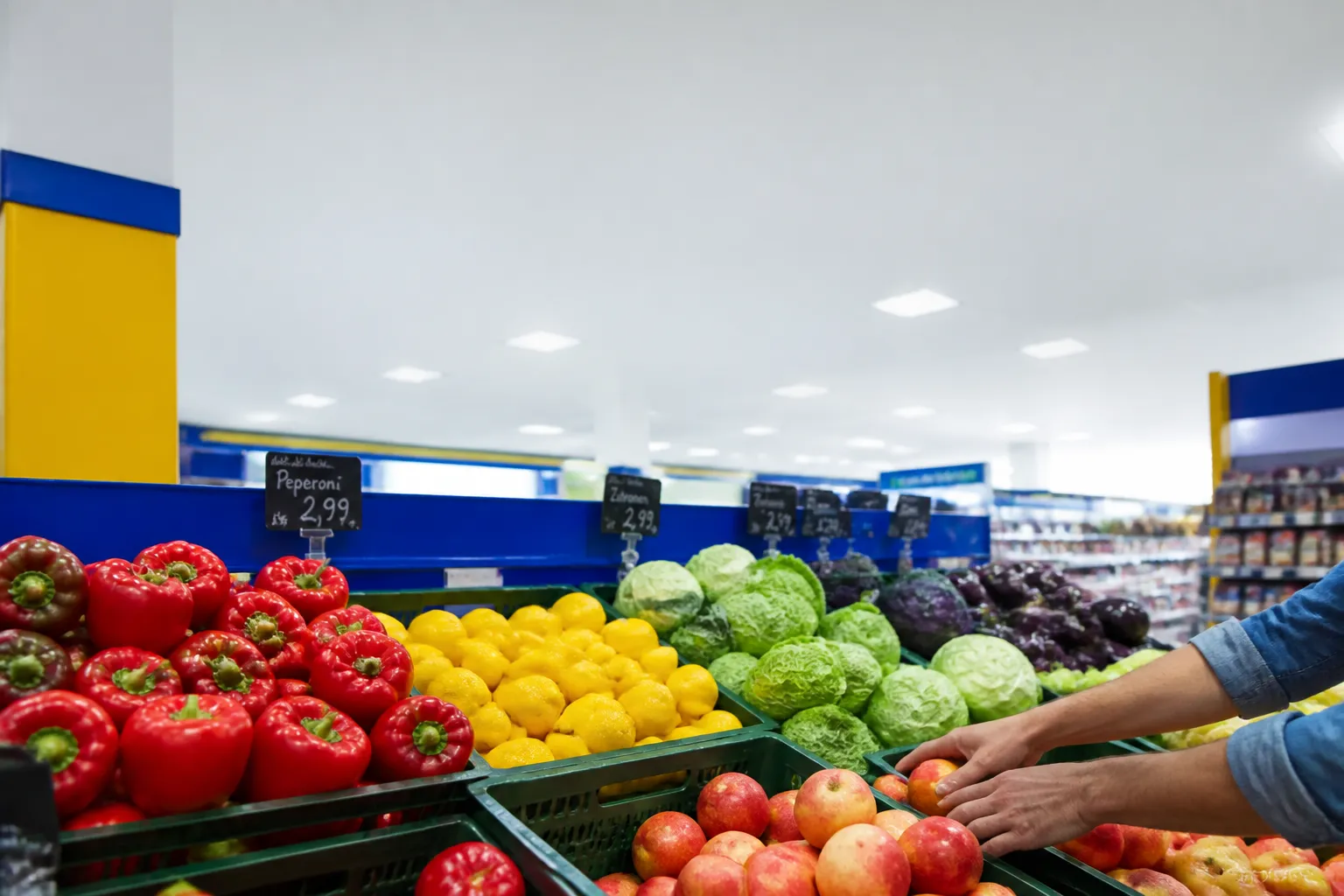
Grocery store aisles across the country are quietly retiring printed paper tags in favor of miniature digital screens. These electronic shelf labels allow central computer systems to alter posted prices across an entire supermarket within seconds, eliminating the manual task of re-tagging rows of dry goods, produce, and dairy cases.
The hardware transition has accelerated among major supermarket chains seeking operational efficiency. Corporate operators note that swapping out paper tags requires significant staff time, and manual changes inevitably introduce human error. When a shelf tag does not match the price coded into the checkout scanner, consumer frustration and checkout bottlenecks follow. Digital tags connect directly to the store inventory database, ensuring that the number visible beneath a box of cereal matches the scanned total at the register.
Yet that same speed has triggered intense unease among consumer advocates and labor representatives. Once a price becomes a dynamic digital display rather than a fixed physical printout, the friction required to adjust prices disappears. This technical capability arrives alongside widespread corporate investments in predictive analytics, prompting federal watchdogs and state lawmakers to examine whether stores could soon tailor retail grocery prices to specific buyers.
Understanding this debate requires separating operational price updates from personalized surveillance pricing, examining the current limits of regulatory oversight, and looking at the practical steps shoppers can take when facing shifting shelf costs.
Understanding Electronic Shelf Labels and Dynamic Adjustments
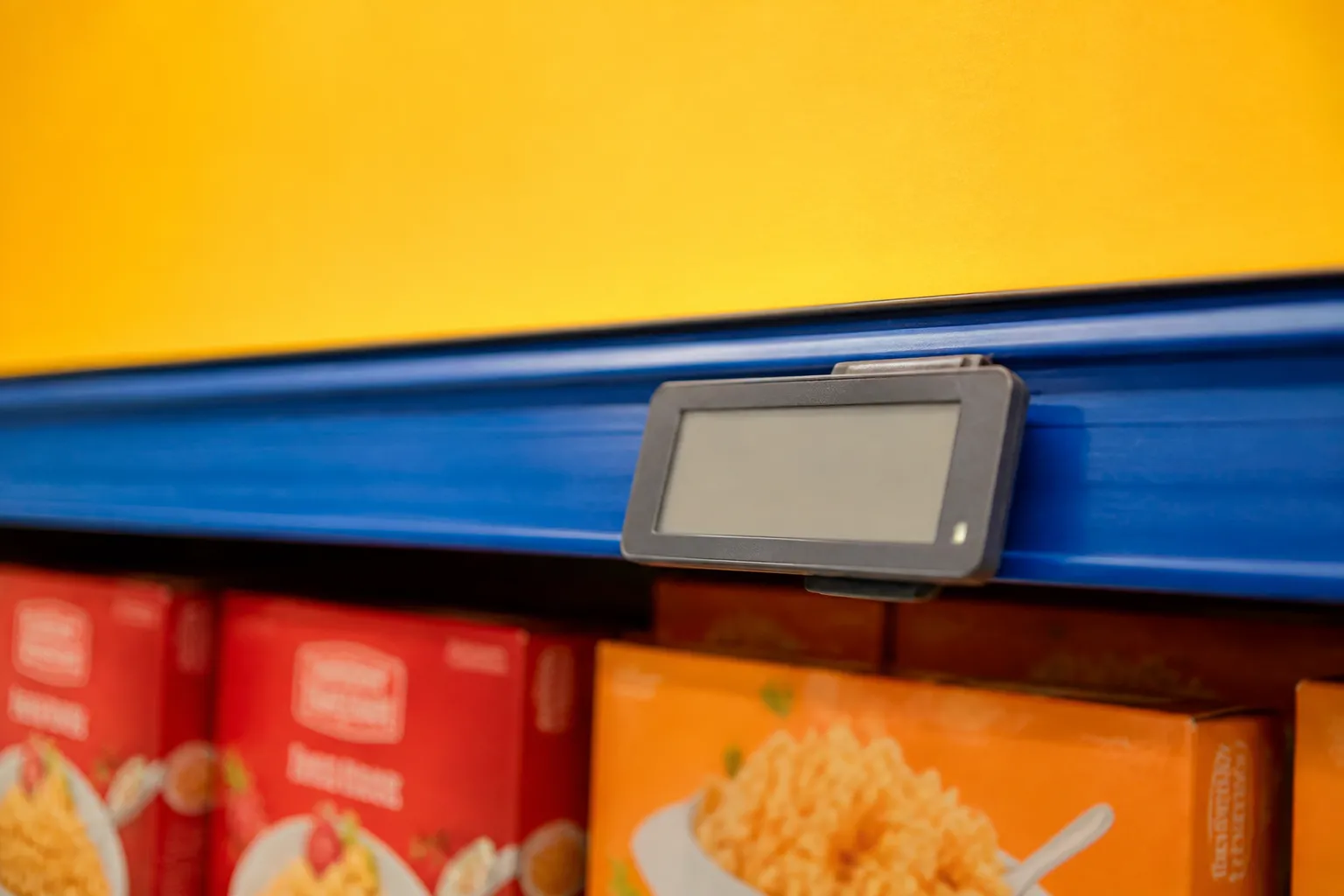
Electronic shelf labels rely on low-power digital ink displays or small liquid-crystal panels mounted to shelf rails. Retailers such as Walmart and Kroger have steadily introduced these units to modernize store operations. From an accounting standpoint, the equipment represents a major capital investment designed to trim routine operating costs. Replacing paper tags requires employees to walk aisles with printed rolls, manually clipping each small card into place. In large grocery locations carrying tens of thousands of individual products, re-tagging a single promotional cycle can consume hours of labor.
Beyond labor savings, grocers emphasize pricing consistency. State weights and measures departments regularly inspect stores to verify that displayed shelf prices match scanner charges. Digital labels guarantee that whenever a central inventory system shifts an item price, the corresponding shelf tag updates simultaneously. Stores argue that this synchronicity prevents pricing discrepancies, keeps shelf data accurate, and simplifies the checkout process for consumers.
The policy debate, however, centers on frequency and timing. A physical tag establishes a visible, stable benchmark that typically stays constant for weeks or months. A digital tag removes that stability. It creates the technical foundation for intra-day price adjustments, often called dynamic pricing, where numbers fluctuate based on inventory levels, time of day, or store traffic patterns. While grocers frame the shift as a modernization effort, critics view it as an infrastructure shift that makes continuous price adjustments frictionless.
The Distinction Between Targeted Discounts and Surveillance Pricing
Much of the public debate hinges on the definition of personalized or surveillance pricing. In standard retail practice, stores publish general prices alongside loyalty program discounts. A shopper who scans a store loyalty card might receive a lower price on milk or coffee. The discount terms are standardized and advertised to any customer willing to join the program. While individual purchasing history may dictate which coupons appear in a digital app, the base shelf price remains uniform for everyone in the aisle.
Personalized pricing represents a fundamentally different mechanic. Under this model, an algorithm estimates the maximum dollar amount an individual buyer might be willing to spend on an item, then charges accordingly. According to public remarks from Federal Trade Commission Chairman Andrew N. Ferguson, regulators are examining whether companies could draw on web browsing histories, location records, or external consumer files to calculate an individualized maximum willingness to pay. In that scenario, two customers standing in the same aisle looking at the same carton of eggs could encounter entirely different price tags.
This theoretical capability is what labor advocates and consumer groups describe as surveillance pricing. When data collection informs individual price points, pricing transparency dissolves. Shoppers cannot verify whether they are receiving an equitable market rate or paying an algorithmic premium based on their personal digital footprint.
Federal Scrutiny and State Legislative Pushback
The prospect of surveillance pricing has sparked swift institutional resistance. The United Food and Commercial Workers International Union, which represents more than 1.2 million retail and food workers, has called on lawmakers to enact bans on both surveillance pricing and electronic shelf labels in grocery settings, according to reporting from Business Insider. The union argues that rapid digital adjustments threaten household food affordability and reduce retail staffing needs by eliminating tag-maintenance jobs.
Federal regulators have stepped in to investigate how large chains handle pricing data. In the reported account, the Federal Trade Commission ordered several major grocery operators to prepare comprehensive reports explaining their current pricing mechanisms and data practices. The commission has also highlighted broader concerns through agency actions, including an FTC inquiry into personalized pricing and a public proceeding seeking comments on an FTC enforcement policy statement concerning personalized pricing practices. The specific filing deadlines and statutory mandates tied to these corporate reporting orders were not made public in the initial reports.
Meanwhile, state legislatures have started drafting distinct regional standards to restrict dynamic pricing at the grocery shelf:
- New Jersey: Lawmakers implemented a ban on surveillance pricing alongside a one-year moratorium on electronic shelf labels to evaluate their market effects.
- Maryland: State rules require retail stores to hold a posted shelf price steady for at least one full business day, preventing intra-day price spikes.
These varied state responses reflect a growing regulatory concern, yet there is currently no comprehensive federal statute that specifically defines or restricts how digital shelf labels operate nationwide.
Corporate Commitments and Unresolved Questions
Large grocery and general merchandise retailers maintain that their electronic systems are not being used to single out shoppers for higher charges. Representatives for Walmart and Target stated publicly within the past month that their companies do not use personal data to charge individual shoppers higher amounts and will not adopt that approach going forward. Both companies clarified that they continue to offer personalized discounts and customized coupons through opt-in membership clubs and loyalty programs.
These voluntary corporate statements offer clarity about current intentions, but they leave key enforcement questions unanswered. Public statements are corporate policy assertions rather than legally binding covenants. The available reporting does not outline any independent auditing process or technical protocol that would allow regulators, employees, or shoppers to verify how background algorithms calculate prices. Furthermore, the source documents do not detail the formal parameters of the FTC reporting orders, making it difficult to judge when federal agencies will release their findings to the public.
Because regulatory policy surrounding automated retail pricing is still evolving, consumers should treat the legal framework as work in progress. Checking published statements directly on agency sites remains the best way to track emerging rules.
Practical Steps for Household Shoppers
For everyday shoppers navigating aisles equipped with digital displays, staying observant at checkout is the most immediate safeguard. While algorithmic personalized pricing remains under regulatory review, standard technical discrepancies between shelf displays and cash registers can still occur. Comparing receipt totals against remembered shelf prices, keeping itemized receipts, and verifying promotional discounts before leaving the store will help catch routine computer errors.
When a scanned checkout total does not match the price shown on an electronic shelf label, bringing the discrepancy to the attention of customer service or a store manager is the direct first step. Supermarkets maintain standard customer-service procedures to correct pricing errors at the register. If an unexplained pricing practice persists, consumers can document the receipt and shelf tag, then submit an educational inquiry or complaint to their state attorney general consumer protection division or the Federal Trade Commission.