










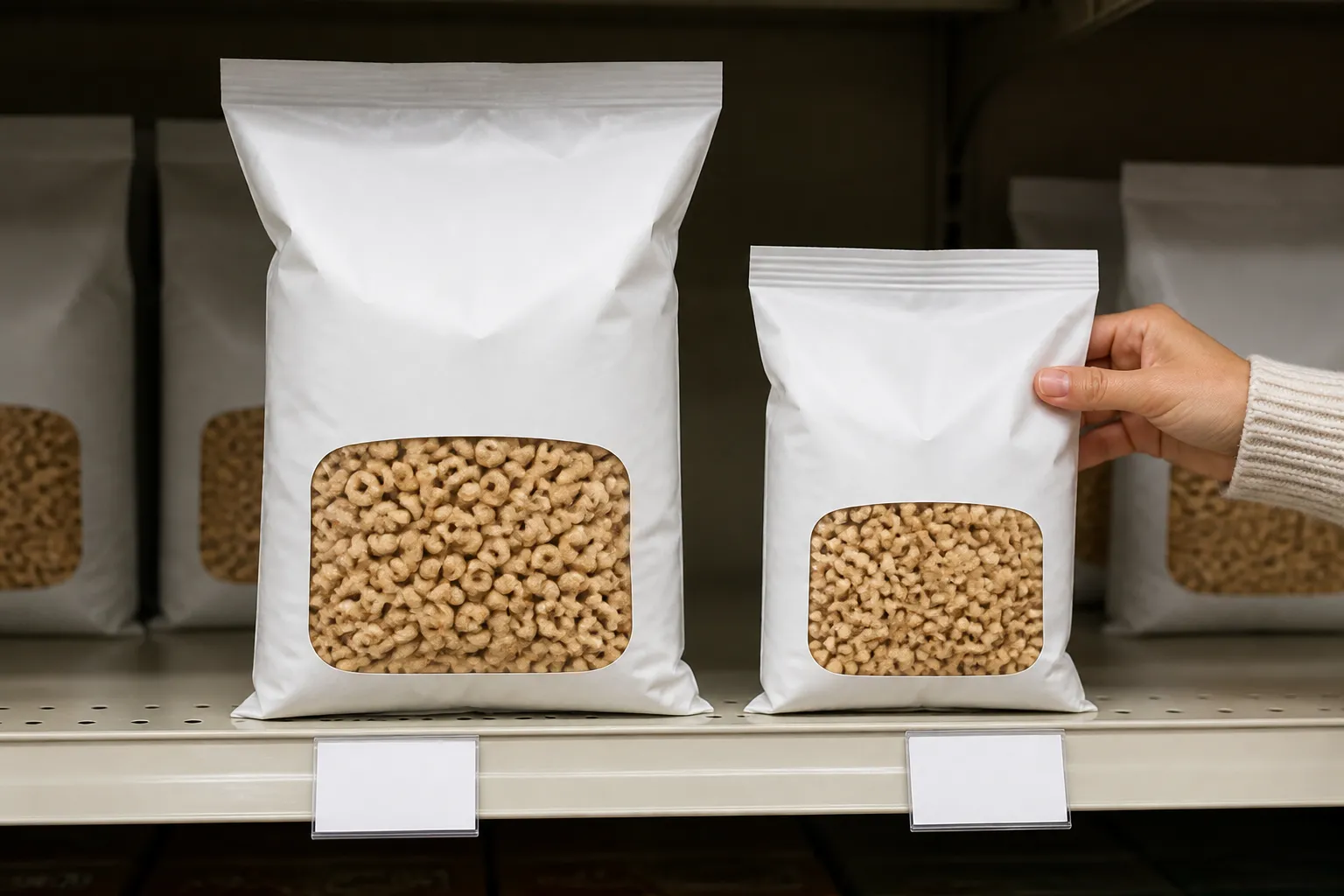
A bigger bag of groceries can look like a shortcut to savings. But the number on the front of the shelf tells you what the whole bag costs, not what you get for each dollar. To compare sizes fairly, look for the unit price: the cost per ounce, pound, item or other measure.
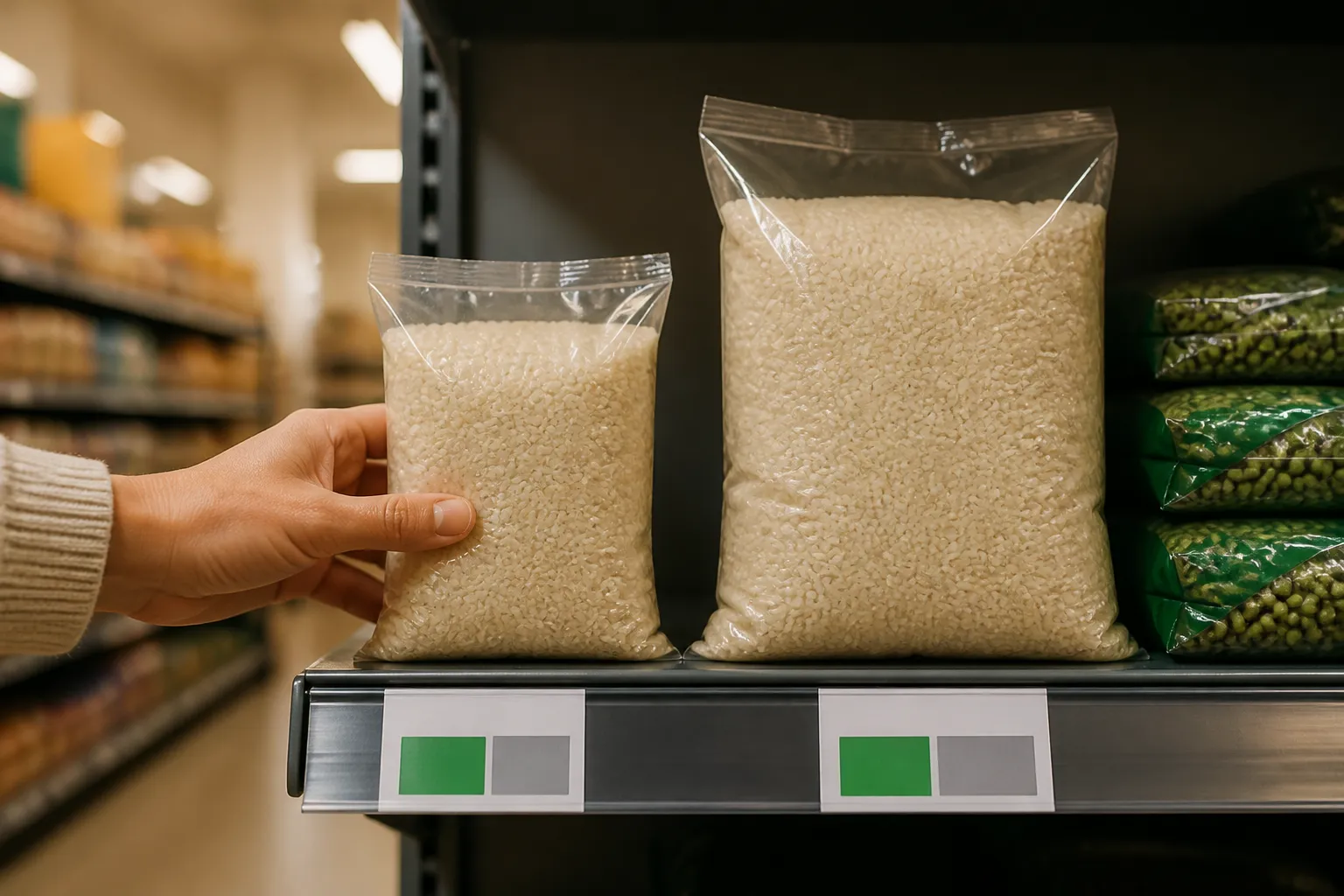
What is unit pricing, and why does it matter?
Think of a unit price as a common measuring cup for prices. A 12-ounce package and a 20-ounce package hold different amounts, so their total prices alone do not tell you which costs less for the same quantity. A price per ounce puts them on the same scale.
The National Institute of Standards and Technology, or NIST, describes unit price labels as the best available tool for comparing price and value. You will often find the unit price in smaller print on the shelf tag near the total price. The total still matters: It is the amount you pay for the package. The unit price answers a different question, which is how much each measured portion costs.
That distinction can also help when a familiar package gets smaller while its price stays similar. This practice is often called shrinkflation. The front of the package may look reassuringly familiar, but the price per ounce can show that the contents now cost more by weight.
Does the bigger package cost less per ounce?
Sometimes, but size alone cannot answer the question. Compare the unit prices for the actual packages in front of you. The NIST sources do not say that bigger packages are usually cheaper per unit.
Consider a made-up example. A 12-ounce package costs $3, and a 20-ounce package costs $6. Divide each price by its number of ounces: The smaller package costs 25 cents per ounce, while the larger one costs 30 cents per ounce. In this example, the smaller package is the better deal per ounce, even though the larger one contains more.
If the shelf tag does not show a unit price, you can make the same calculation. Divide the package price by the amount inside. For items sold by count, divide the price by the number of items instead. A calculator can do the arithmetic while you keep your eye on the units.
Make sure the products are comparable, too. Two boxes of the same kind of cereal are a more direct comparison than a box of cereal and a bag of granola. The unit price tells you about cost per measured amount, not which food you will enjoy more.
Are the labels using the same units?
Before comparing the small numbers on two tags, check the words next to them. One label might show a price per ounce and another a price per pound. A lower-looking number is not automatically a lower price if the labels measure different amounts.
For weight, there are 16 ounces in a pound. To compare a price per pound with a price per ounce, divide the per-pound price by 16. For example, $4 per pound equals 25 cents per ounce. Now you can compare it directly with another price per ounce.
Count labels need attention as well. A price per roll and a price per sheet are not the same measure. If the package gives the information you need, you can calculate both prices on the same basis. If it does not, the shelf tags may not give you enough information for a direct comparison.
Will every store show a unit price?
Do not count on seeing the same label everywhere. Unit pricing is not federally mandated, and state requirements can differ. States can adopt model rules from NIST Handbook 130, but the sources here do not list which states require unit pricing or spell out each state's rules.
NIST's 2025 Unit Pricing Guide is a best-practice reference for retailers, not a nationwide requirement. It covers retail formats including online stores. Where no law requires unit pricing, the guide describes it as a voluntary retailer practice. Where requirements exist, it can supplement them.
NIST has also described work with a national group of regulators, industry representatives, academics and consumer groups on updates to the guide and proposed changes to the model regulation. If the rules in your state matter to you, check the current requirements rather than assuming a shelf tag will look the same as one elsewhere.
What else belongs in the comparison?
The lowest price per ounce is useful information, but it does not tell you everything about a purchase. A larger package may have a lower unit price and still cost more at the register. It may also contain more than you expect to use before it expires or more than you have room to store.
Sales, promotions and coupons can change the amount you pay. Check the offer's terms and use the applicable price when doing your own comparison. The NIST sources cited here do not explain how those offers interact with shelf unit prices, so do not assume the small number on the tag reflects every discount.
A practical aisle check is simple: Find the total price, find or calculate the price per unit, and make sure both packages use the same unit. Then consider how much you can use. The big bag may win, but let the numbers make its case.
This article is general consumer education, not personal financial advice.
Please seek a professional. This article is general information, not financial, tax or insurance advice. Please seek a licensed financial, tax or insurance professional about your own situation.