
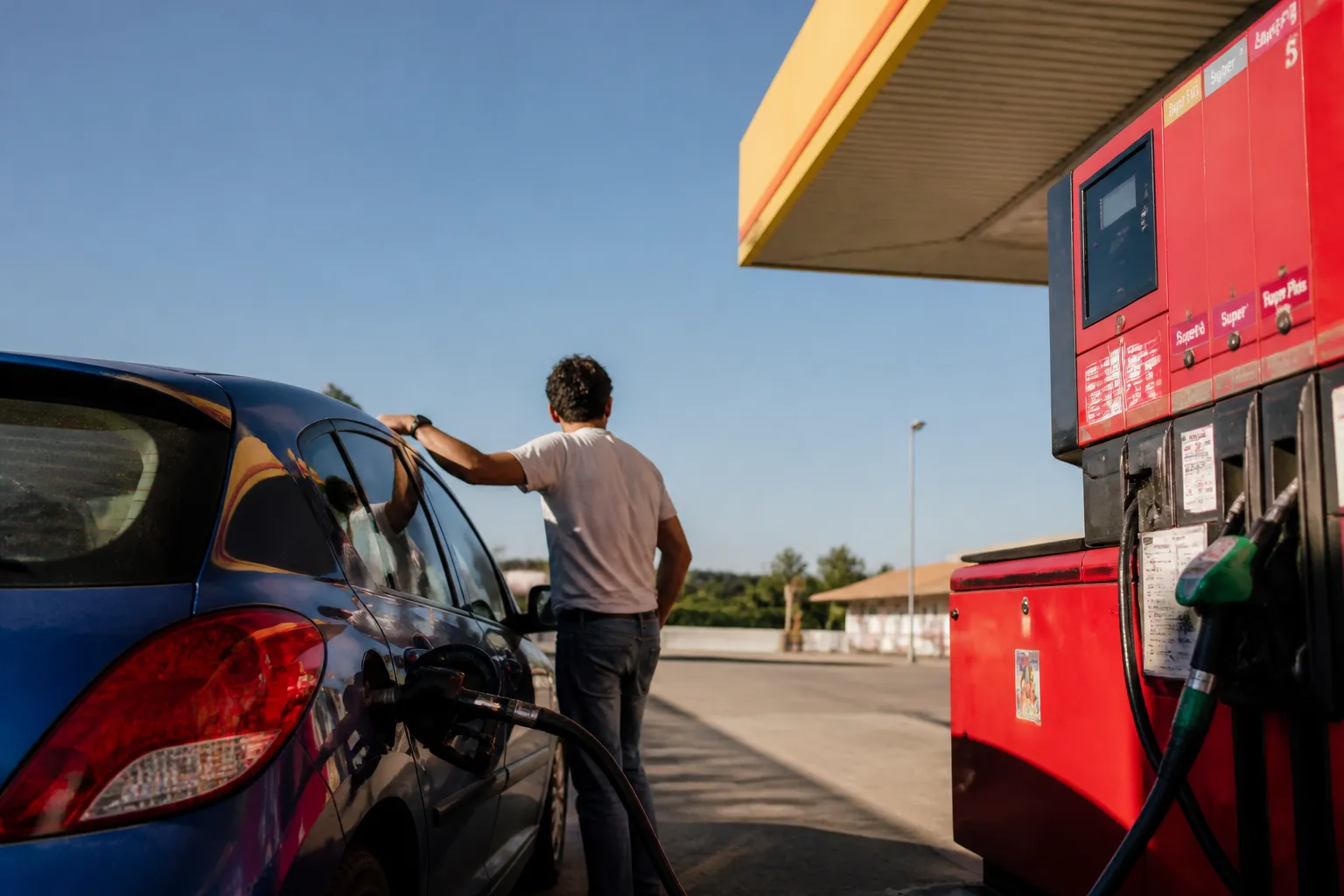
You fill your tank. The pump says $42. Later your banking app shows a pending item for much more than that. Nothing is wrong, most likely. You are looking at a card hold, and a hold is not the same thing as a charge.

What a card verification hold is
A hold is an advance authorization. That means the bank sets aside part of your available money before the final bill exists. The Georgia Attorney General's Consumer Protection Division describes it this way: when a card is used for advance authorization, the bank places a hold to assure the merchant gets paid and to keep you from spending more than you have.
You see this at hotels, rental car companies, and sometimes restaurants. Gas pumps get the most attention.
Here is the key idea. A hold reserves room on your account. It is not the finished sale. The final amount is settled later, so the two numbers can differ. Holds are a standard precaution, so seeing one does not signal a problem.
Why gas pump holds get the most attention
At the pump, the system does not know how much fuel you will buy. So it asks the bank to reserve an amount first. The Georgia guidance says Visa and Mastercard have authorized gas stations to place a hold of up to $175.
The merchant sets the hold amount. That is why a driver who bought $30 of gas may see a much larger figure reserved. A bigger hold does not by itself mean the station billed you that much. The hold is not the final charge.
How long holds last and why timing matters
The source gives a general timeline. With the merchant, a hold generally lasts no more than a day. Some credit card companies allow up to three days for banks to clear transactions and remove the hold.
Two parties share the job. The merchant sets the amount. The issuing bank, the company that gave you the card, controls how long the hold stays.
Timing matters because of what the hold does while it sits there. It may reduce your available spending limit. On a debit card, that can cause trouble. The source warns that if you do not allow for it, some checks could bounce even though the money is in the account to cover them.
One gap to flag. The fact sheet gives no separate durations for hotels or rental car companies. The one-day and three-day figures are described for gas-type holds. Treat hotel and rental timing as an open question and ask the merchant and your bank.
PIN versus signature on a debit card
The Georgia source says using your PIN instead of a signature on a debit card provides greater security and an immediate release of the hold. That is the source's description, and it is worth reading carefully. It is not a promise about every merchant or every bank.
Practices can vary. A simple step is to ask your own bank how it handles PIN and signature debit transactions, and what that means for when a hold drops off.
Questions to ask and gaps to flag
The source offers three plain questions you can bring to your bank:
- How long will the bank keep a hold on my account after this purchase?
- Does this transaction use a PIN or a signature, and how might that change when the hold is released?
- Is my available balance or spending limit reduced while the hold is in place?
Now the limits of what we can say. The sources reviewed do not explain how holds differ between credit and debit cards in legal protections and dispute rights. They do not say what to do if a hold looks too high or is not released on time. They do not say whether holds affect credit reports or scores. The sources also name no specific red flags.
Two more items are unverified. The CFPB's Regulation Z comment on over-the-limit transactions was not readable in the excerpt provided, only navigation text. And current federal guidance on authorization holds from the CFPB, FTC, Federal Reserve, or FDIC is not covered here. We will not fill those in by guessing.
This article is education only, not advice for your situation. If a hold looks wrong, your card issuer is the place to ask.
Please seek a professional. This article is general information, not financial, tax or insurance advice. Please seek a licensed financial, tax or insurance professional about your own situation.