
A collection notice about unpaid rent can make it hard to know what to do first. Start with the paperwork, not a payment decision. Check the amount and reporting record, then decide what questions or options to pursue. A written timeline and copies of your records can help keep the steps manageable.
- Collect the records. Find your lease, rent ledger, payment receipts, and any messages or notices from the landlord or collector.
- Read the collection notice. Note who is collecting, the amount claimed, the original creditor, and any deadline to dispute the debt.
- Write down the timeline. Record when the landlord or collector contacted you and when you saw the collection entry, if you have a report showing it.
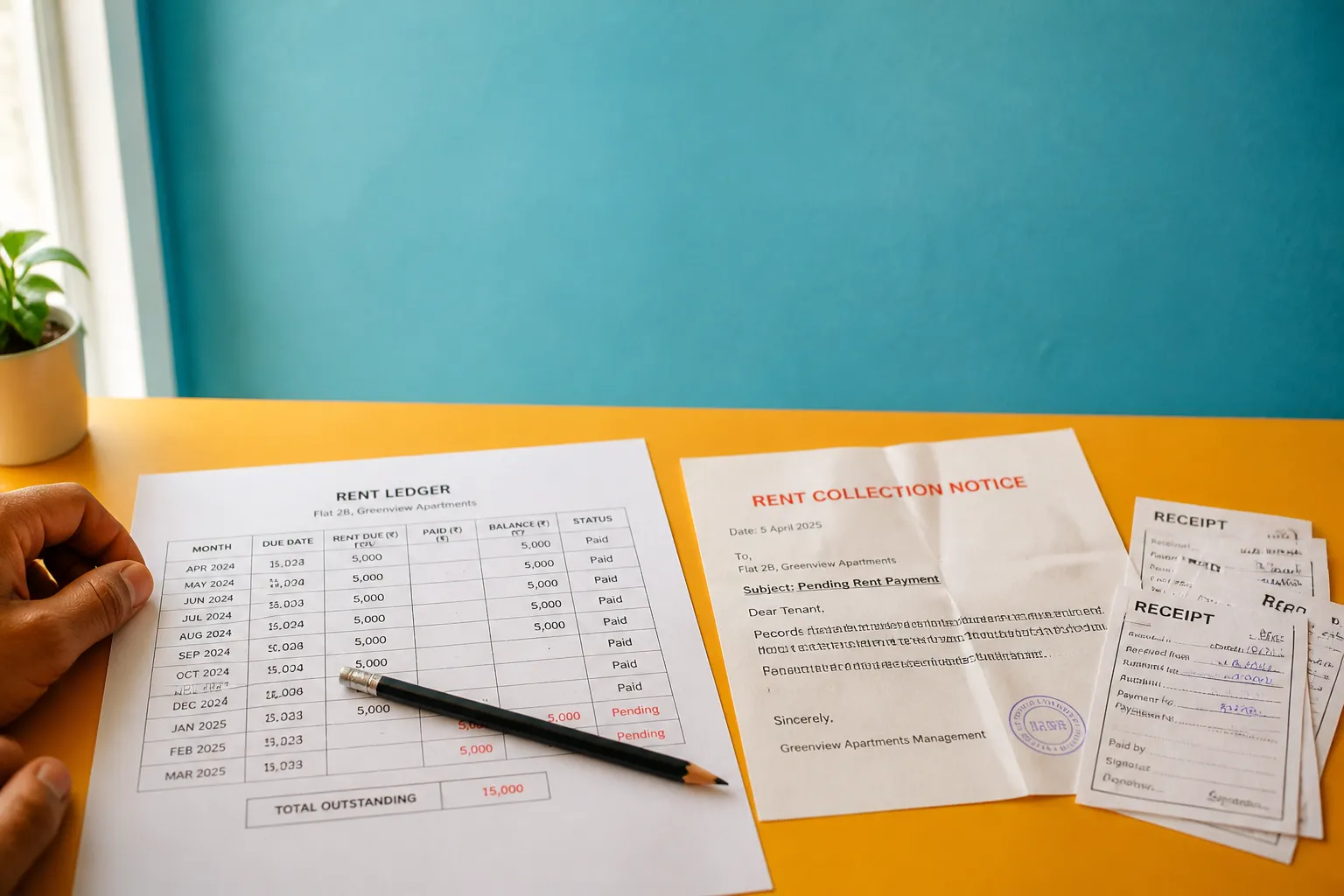
- Compare each charge. Match the months, rent, fees, and payments in the notice against your own records.
- Check how the debt was reported. Note what contact you received before the collection appeared on a credit report.
- Review rental screening records. If a housing decision was based on a report, get the reporting company’s details and request the report.
Confirm the debt and amount before deciding what to do
A debt collector generally must provide information that helps you identify a debt, either in its first communication or in a written notice within five days of first contacting you. The notice should identify the creditor, give an account number, show the amount, and state the end date of a 30-day period to dispute the debt. See the Consumer Financial Protection Bureau’s explanation of debt validation information.
Compare the amount with your lease and payment history, one month at a time. Check whether a payment was missed in the collector’s accounting, whether a fee appears that you do not recognize, or whether the notice includes a period after you moved out. A total can be partly accurate and still include a charge you want to question. Write down the specific line items that do not match your records rather than relying on a general impression that the balance looks wrong.
If you believe the debt is not yours or the amount is inaccurate, the validation notice gives a deadline for disputing it. The CFPB describes a 30-day period for disputing the debt. Keep a copy of any written dispute and a record of when you sent it. The notice and the CFPB’s debt collection information can help you understand the process, but the steps and details depend on your situation.
Check the collector’s contact and reporting timeline
Federal debt collection rules cover many lawyers, law firms, and collection agencies collecting unpaid rent. A debt collector generally must contact you before reporting the debt to a credit reporting company. If it contacts you by mail or electronic message, it generally must wait 14 days to see whether it receives notice that the message was not delivered. The CFPB explains the contact and timing rule.
Use your timeline to compare the dates. Save letters, envelopes, emails, and other messages, and note when you saw the collection entry. If the timing seems inconsistent with the rule, ask the collector for an explanation and keep a copy of your question and its response. A timeline is useful because memory alone may not tell you whether a letter arrived before or after a report entry appeared.
Debt collectors may not use unfair, deceptive, or abusive practices. Save messages that seem misleading or threatening, and record unwanted contact after a written request to limit certain kinds of communication. The CFPB’s renter debt collection rights page summarizes protections and points readers toward further help.
Request and inspect rental screening reports
Rental background reports, also called tenant screening reports, can include information used by landlords and property managers when deciding whether to rent to someone. If a landlord denies an application or charges a higher deposit or fee because of report information, the landlord must provide the screening company’s name, address, and phone number. If you receive an adverse action notice, it can tell you which company supplied the report. The CFPB has received complaints about incorrect information in rental background checks and explains how to review your rental background check.
You can generally request a free copy of the report used in a housing decision if you request it within 60 days of the adverse decision. Some specialty reporting companies also provide free reports every 12 months, while others may charge a fee. When you review a report, check that an eviction case shows its final status. For example, a case that was dismissed should not appear as if it resulted in an eviction. Look for the same case listed more than once, too.
The Fair Credit Reporting Act gives consumers rights to dispute errors in rental background reports. The report itself can help you identify the company and the information to question. Keep a copy of the report and note the entries you believe are incorrect. The process for disputing information may vary by reporting company, so follow the company’s current instructions.
Understand where rent debt may appear
Rental payment information and related collection debt may appear in consumer credit reports. The major credit reporting agencies do not all handle rental information in the same way, and rental screening companies may keep separate files. As a result, one report may not show the same details as another. The CFPB’s overview of rent and credit reports explains that reporting practices differ.
Do not assume that a collection entry will appear on every report, or that it will have a particular effect on a credit score. The available public guidance does not establish a single outcome for every person or report. If you want to understand a particular entry, start with the report where it appears and the reporting company’s consumer information. Check the details rather than relying on a general estimate.
Consider a payment plan only after the checks
Once you have confirmed what you owe and reviewed the reporting, you can consider what response is realistic. The CFPB describes settlement discussions as a sequence: confirm the debt, calculate a repayment plan you can maintain, then make a proposal to the collector. To estimate what might fit, list monthly take-home income and regular expenses, and leave room for emergencies. A plan that looks possible on paper but leaves no room for an unexpected bill may be difficult to keep.
If you make a proposal, keep a written record of what you offered and what the collector agreed to. Before paying, make sure you understand the terms, including the amount and timing. Public sources cited here do not cover every legal or tax consequence of settling a debt, so they cannot resolve questions specific to an individual case.
State and local protections can differ. Check your state or local housing and consumer agencies for current information, and see whether a local legal aid office or bar association can offer help. If a collector’s conduct seems abusive or a report contains an error, preserve the paperwork and use the appropriate complaint or dispute process. A notice, a report, and a payment record are three separate pieces of evidence, and keeping each one can make the next step clearer.
Please seek a professional. This article is general information, not financial, tax or insurance advice. Please seek a licensed financial, tax or insurance professional about your own situation.