

Check fraud used to mean a thief with a bottle of solvent and a stolen envelope. The IC3 now describes something broader. Mail theft feeds check washing, digital image editing and forged deposits. Paper checks are still in the mail, and criminals know it. The sources behind this piece cover the last few years, not a full decade, so treat the title's timeline as a loose frame.
Suspicious Activity Reports related to check fraud nearly doubled between 2021 and 2023.
How check fraud starts: the mailbox
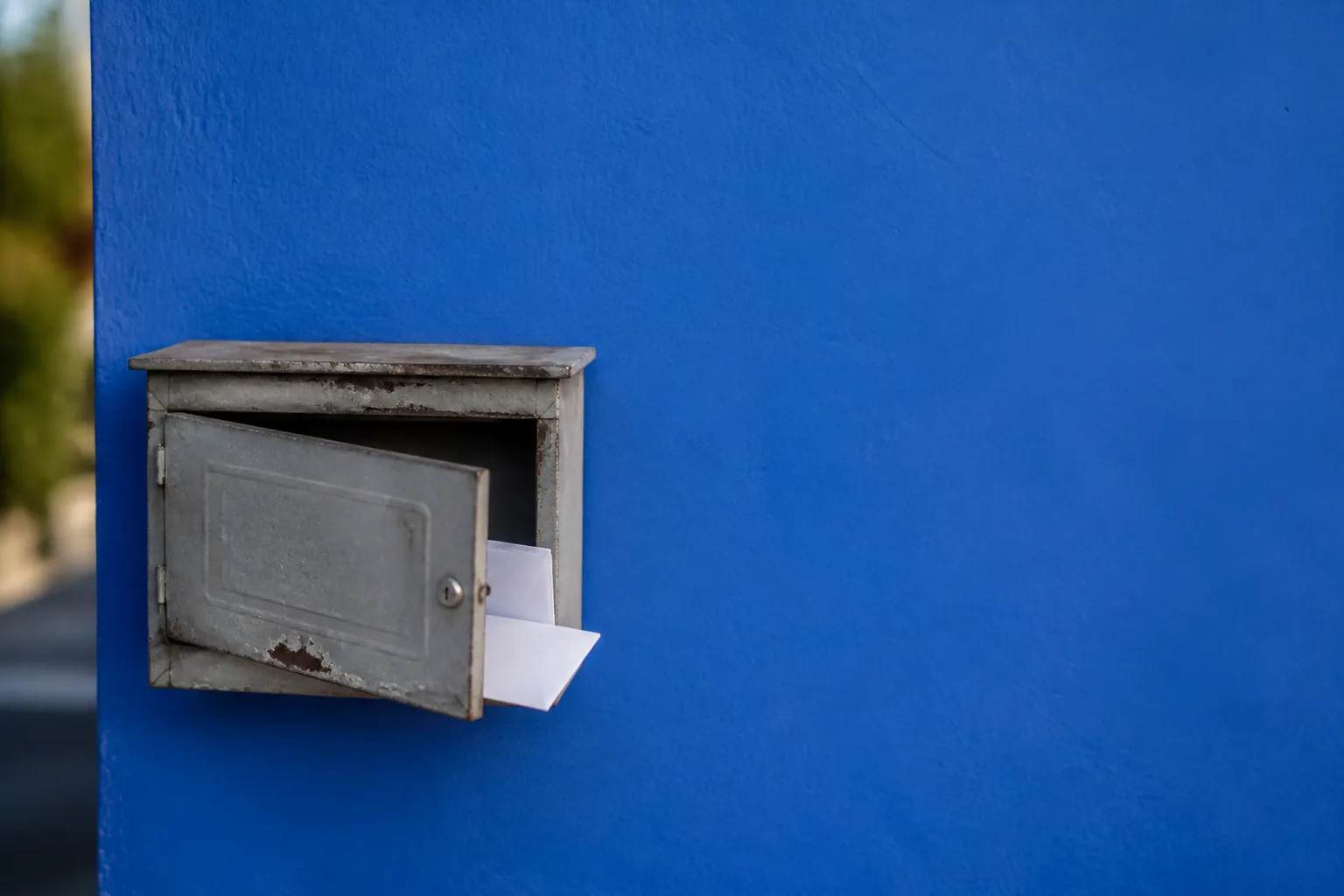
Many schemes begin before a check ever reaches a screen. The FBI's Internet Crime Complaint Center (IC3) says fraudsters steal checks from USPS facilities and during delivery. It reports that mail theft-related check fraud is rising. One stolen envelope can show a thief a lot: the payer's name, address, routing number, account number, amount and signature.
The IC3 offers a few plain habits. Pick up mail promptly and do not leave it in the box overnight or for long stretches. If you travel, submit a USPS Hold Mail request so delivery waits until you return. Sign up for Informed Delivery, which the advisory lists as a protective step. It gives daily previews of incoming mail, so you can spot a missing envelope.
The main techniques: washing, cooking and forged endorsements
Check washing is the older method. Chemicals are used to physically alter a check, typically changing the payee and the amount. The signature and account details stay put. The thief then writes new details and deposits it.
Check cooking is the digital version. A criminal edits an image of a stolen check with photo software and prints new copies on high-tech printers. One image can yield multiple checks. That is the part that separates it from washing, where the paper itself can only be altered once.
Some thieves skip alteration. They deposit a stolen check with a forged endorsement. The IC3 also says altered checks are often written for smaller amounts, which can go unnoticed longer than large ones. Deposits are often made through a collusive account holder whom the fraudster recruits.
- Washing: chemicals change the payee and amount on the paper.
- Cooking: a digital image is edited and reprinted, sometimes many times.
- Forged endorsement: the check is unchanged, but the back is signed by the wrong person.
Why losses surface late and who pays
The IC3 says financial institutions, consumers and law enforcement often do not learn of the fraud until after funds are withdrawn. It also says fraudsters exploit rules that require banks to make check funds available within set timeframes. Those windows can be too short to catch the fraud before the money leaves.
For the victim, the cost can reach past one bad transaction. The advisory lists possible harms: lower credit scores from late bill payments, account closures, stop payment fees, missed refund interest, compromised personal information that may feed later fraud, and loss of assets or investment money. These are possible outcomes, not certain ones.
Victims are often refunded some charges, according to the IC3, but refunds are often delayed until investigations finish. Businesses can face disruption and reputational harm from missed payments or exposed account details. Government funds can be intercepted, altered or forged, and reissuing them can take a long time.
What to do and what the sources leave open
The IC3 poses one useful question: has a check I mailed or received been altered or cleared unexpectedly, and who should be notified? The sources do not give a full reporting path. A sensible first call is to your bank's fraud department, since the bank holds the account records. Ask it directly what dispute deadlines apply to you, because the sources do not state them.
Stolen checks are also sold online, sometimes for a fraction of face value to criminals who deposit them. The IC3 treats that as a sign of criminal resale. The sources do not cover the dark web image resale trend named in the title, so this piece does not claim one.
The Federal Reserve released a Check Fraud Mitigation Toolkit in 2025 for the payments industry, businesses and consumers. It is the better place to look for institutional practices. Neither source explains consumer rights, how to dispute an altered check, or how to guard against washing and cooking beyond mail security. For those, ask your bank and check the consumer guidance published by federal agencies directly.