
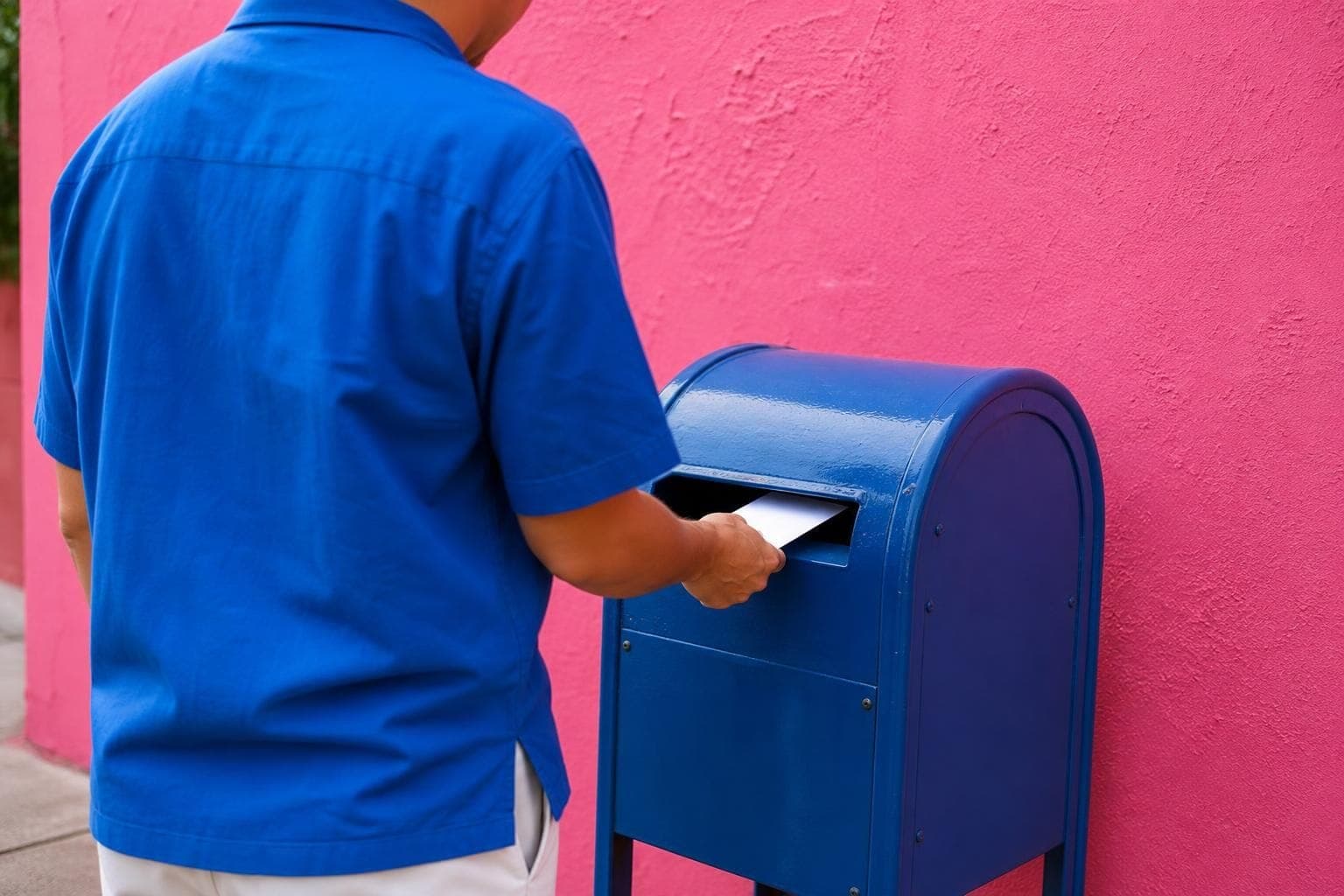










Job listings for remote work often look like routine administrative support. Fraud rings take advantage of that by posting openings for shipping coordinators or logistics assistants on popular career boards. The offer promises a steady paycheck for light tasks you can complete from home, but the real goal is to recruit an unwitting courier.

The pattern is consistent across listings. A package arrives on your porch, your contact sends a prepaid label, and you carry the box to a nearby post office or drop box. The employer tells you that you are testing shipping speeds or managing regional overflow.

Behind that quiet routine, you are moving merchandise purchased with stolen credit cards or counterfeit money orders. When law enforcement traces the paper trail of the stolen goods, the physical trail points directly to your home address.
How the reshipping job pitch works
Scammers rely on legitimate online employment boards to reach people searching for remote positions. The listings often carry titles like package processing assistant, quality control clerk, or home logistics associate. Once you apply, the onboarding process moves quickly. You may receive an official-looking contract, instructions on how to inspect boxes, and an online portal account where you log incoming tracking numbers.
The items arriving at your home are typically consumer goods such as electronics, jewelry, or high-end clothing. Scammers buy these items using compromised payment cards or fake money orders. Because retailers frequently block orders addressed to freight forwarders or international addresses, criminals need residential addresses to complete the checkout. You become the transfer point between the retail theft and the person collecting the stolen items, which may be located elsewhere in the country or overseas.
According to the United States Postal Inspection Service (USPIS), cybercrimes almost always intersect with the postal system. Mail handling remains central to internet scams. The individuals recruited through fake job posts physically shift the items into the mail stream, which insulates the actual thieves from discovery while placing the package handler in the line of inquiry.
The red flag of home parcel forwarding
Legitimate retailers and logistics firms operate their own fulfillment centers, sorting facilities, and contracted distribution hubs. They do not route company inventory through private living rooms or ask entry-level staff to store inventory next to their personal mail. A requirement to accept parcels at your house and re-label them for transport is a reliable indicator of fraud.
Scammers often disguise this requirement with corporate language. They may claim your address serves as a regional quality testing site, or that you are inspecting items for defects before export. Regardless of the story, any job that consists primarily of receiving mail and sending it along to another address deserves immediate suspicion. In an educational video shared by the USPIS, a woman who accepted what she believed was a legitimate shipping coordinator position ended up being visited by postal inspectors after her home became a hub for a reshipping operation.
Envelope stuffing, high pressure, and fake paychecks
A related variation on this scheme involves home-based mailing or envelope stuffing. Advertisements may offer high weekly compensation for addressing envelopes, folding marketing letters, or sealing direct mail packets at your kitchen table. The USPIS notes that modern printing equipment and automated mailing techniques have virtually eliminated any business need to pay home workers for manual envelope stuffing and addressing. Accepting these tasks can make you an unwitting participant in a secondary fraud campaign, such as distributing fake sweepstakes notices or fraudulent checks.
These pitches also rely heavily on urgency and outsized promises. Warning signs to monitor include:
- High-pressure tactics that push you to sign agreements or print shipping labels immediately.
- Pay rates that seem disconnected from the skill level required, offering thousands of dollars for a few hours of basic parcel handling.
- Interviews conducted exclusively through untraceable chat apps without any video or voice confirmation.
- Employers who refuse to provide a verified commercial address or landline contact information.
The financial payoff promised by these operations rarely materializes. Paychecks sent by reshipping rings are frequently counterfeit. If you deposit one into your personal bank account, the check may take several business days to bounce. In the meantime, you may have spent your own money on packaging materials, tape, or postage fees, and the bank will reverse the credited funds, leaving you to absorb the financial loss.
Independent verification steps before accepting work
You can protect yourself by stepping outside the communication channels provided by the recruiter. Conduct an independent web search for the hiring organization. Enter the business name alongside terms like scam, fraud, review, or complaint to see whether other job seekers have documented similar encounters.
Verify that the company maintains an independent corporate presence. Check for an active website registered to the business, an established office location, and professional email addresses matching the business domain. Free email accounts from commercial webmail services are common among fake recruiters.
When reviewing potential opportunities, consult published alerts from official regulatory bodies. The Federal Trade Commission alert system tracks employment schemes alongside consumer protection notices. The USPIS also hosts consumer advisories outlining common mail-related frauds. Trust your instincts whenever an offer looks disproportionately generous for the effort requested.
Limits and gaps in current agency guidance
While official warnings establish the basic framework of these scams, several practical questions remain unanswered in public agency materials. The source text available from consumer protection portals does not provide aggregate trend statistics, annual dollar losses, or comprehensive victim counts for reshipping networks. As a result, the precise national scale of these operations cannot be measured directly from those records.
Existing guides also do not explain how an individual can inspect a sealed box to tell whether the contents were bought with a stolen credit card or a forged money order. To the recipient, the package looks like any standard commercial delivery from an online merchant.
Furthermore, agency bulletins do not specify the exact criminal charges or legal exposure an individual might face for unwittingly reshipping stolen goods, nor do they outline a step-by-step procedure for handling packages that are currently sitting in your house once you discover the fraud. If you have already forwarded items or shared banking details with an unverified employer, consult official law enforcement channels or an attorney to determine your reporting obligations and legal options.