











Every time you apply for a new credit card or loan, the lender typically pulls your credit report to decide whether to approve you. That pull leaves a mark called a hard inquiry. One hard inquiry is usually a small deal. A cluster of them, especially across different loan types or over a longer stretch of time, can tell a different story to lenders and to the scoring models they rely on. Here is what actually happens when those marks pile up, and how to think through your next application before you submit it.
What a hard inquiry is and why it matters
A credit inquiry is a request to look at your credit report to decide eligibility for credit, employment, housing, insurance, or another purpose, according to the Consumer Financial Protection Bureau. Hard inquiries are the ones that can affect your credit score. They typically happen when a lender reviews your report after you apply for credit.
Soft inquiries are different. When you check your own report, when a current creditor reviews your account, when a lender prescreens you for an offer, or when an employer runs a background check, those are soft inquiries. They do not affect your credit score at all. Hard inquiries can be seen by others who obtain your report. Soft inquiries are visible only to you.
The reason scoring models pay attention to hard inquiries is straightforward. Frequent recent applications can signal higher financial risk. One application tells lenders you need credit. Several applications in quick succession can suggest you are stretching your finances thin, even before any new debt actually shows up.
How multiple applications are counted
Scoring models are not entirely unforgiving. They are built to allow for comparison shopping, the common and sensible practice of checking rates from several lenders before picking a mortgage or auto loan. The CFPB explains that inquiries made within 14 to 45 days of each other for the same type of loan generally count as no more than one inquiry. For the most common FICO models, student loan, auto loan, and mortgage-related inquiries made within 30 days before scoring have no effect at all.
That window closes quickly when you shift loan types or let time drag out. Applying for a mortgage and then an auto loan in the same month generally counts as two separate inquiries, not one. So does spreading applications for the same loan type over several months instead of clustering them. The practical rule is simple: shop fast and stay in one lane.
For a single inquiry, the damage is modest. FICO notes that for most people, one additional hard inquiry takes fewer than five points off a FICO Score, which uses a range of 300 to 850. That is an average for a single inquiry. Several inquiries can add up, and the effect is harder to predict because it depends on the full picture of your credit report.
Why opening many new accounts can weigh more
An inquiry is just one piece of the picture. Opening a new account creates a second effect that can matter even more. According to FICO, new credit makes up about 10 percent of a FICO Score. That category covers both how many new accounts you have opened and how many recent applications appear on your report.
Opening new accounts also lowers the average age of all your accounts. If you have a ten-year-old credit card and you open two new cards in a single month, your average account age drops. For someone with a long credit history and many older accounts, that drop is cushioned. For someone with only a few accounts or a shorter history, the same move can sting more because there are fewer older accounts to balance out the new ones.
Inquiries stay on your credit report for two years, but FICO Scores consider only the last 12 months of hard inquiries when calculating your score. That is specific to FICO. Other scoring models may handle the timing differently, and the sources available do not give a full side-by-side comparison, so it is worth checking which model a particular lender uses if the detail matters to you.
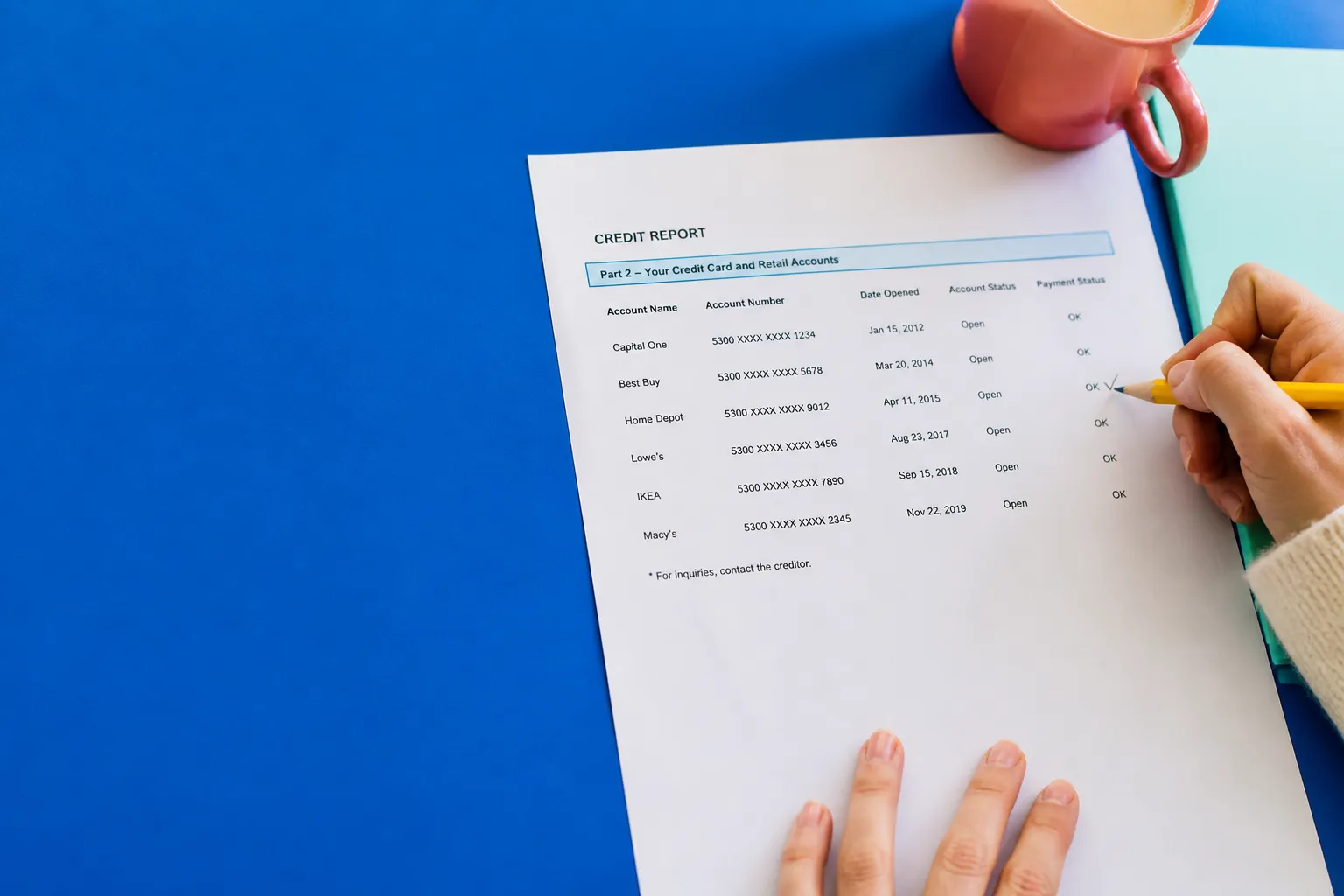
- Review your own report to see which recent applications left hard inquiries and how old each one is.
- Check whether your planned applications are for the same type of loan. Same-type applications in a short window are treated more favorably.
- Consider whether the application would open a new account and reduce your average account age.
- Weigh the timing against your current credit history, especially if you have a shorter or thinner file.
- Read the features of any card or loan product before applying. Apply only if the product fits your actual needs.
- If you are shopping for a mortgage or auto loan, complete your applications within the same short window rather than spreading them out.
- Keep balances low relative to your total credit limits. Some guidelines suggest staying under 30 percent; others point to under 10 percent. These are general reference points, not score guarantees.
- Remember that checking your own report is a soft inquiry and does not affect your score. You can review it once per year at no cost, and since the COVID-19 pandemic the nationwide credit reporting companies have offered weekly access on request.
Common patterns that can look like too many applications
Certain habits are especially likely to produce a cluster of hard inquiries. Opening store cards for a one-time discount is one. The CFPB specifically cites store cards opened for a discount and balance-transfer cards opened in quick succession as examples of applications that can pull a score down. Neither of those applications is inherently wrong, but it is worth understanding the trade-off before checkout.
FICO points to research showing that people who apply for credit many times in a short period tend to over-extend themselves and are more likely to default. Lenders read a cluster of recent applications as a potential sign of financial strain, not simply a sign of someone shopping around. That is the core reason the pattern draws attention, and why the number of applications matters even before any late payment or missed bill appears.
There is no published magic number that separates a safe count of applications from an unsafe one. FICO says so directly. What the sources do agree on is that fewer applications, spread thoughtfully and timed well, present a cleaner picture than a rush of requests across different credit types in a short period. If a product fits your needs and the timing is right, applying is reasonable. If the main draw is a sign-up bonus or a one-day discount, it is worth pausing to weigh the lasting mark against the short-term benefit.
Questions worth asking before you apply
Pulling your own report first is the most practical starting point. It is a soft inquiry, so it does not affect your score. You will see which recent applications are already listed as hard inquiries and how recently they occurred. That gives you a real baseline instead of a guess.
Then consider what the new application would actually do. Is it for the same loan type as a recent inquiry? If so, and if you act quickly, the two may be treated as one. Is it for a new account that would shorten your average account age? If your history is already short, the timing may be worth reconsidering. And does the product actually serve a need, or is it a convenience that creates a permanent record for a temporary perk?
None of these questions require a financial professional to answer. They require a few minutes with your report and a clear read of the product before you fill out the form. The CFPB and FICO both publish plain-language explanations of how inquiries and new accounts are treated, and both are free to read before you decide.
Please seek a professional. This article is general information, not financial, tax or insurance advice. Please seek a licensed financial, tax or insurance professional about your own situation.


