











A repair estimate can collide with a rent payment, groceries, and an auto loan due date. The first task is to separate the repair problem from the payment-timing problem: find out what cash is available, identify which bills are at risk, and contact your auto lender early if the repair could make a payment hard to manage. Consumer protection guidance can help organize those steps, though it does not provide a typical repair-cost range or a one-size-fits-all reserve amount.
- Write down the numbers. Record the repair estimate, cash you can use, your next auto loan due date, and the amount due. Keep the repair bill separate from routine monthly expenses in your notes.
- Mark any shortfall. Compare the money available with the repair cost and the bills due before your next income arrives. This can show whether the repair itself, the loan payment, or both need attention.
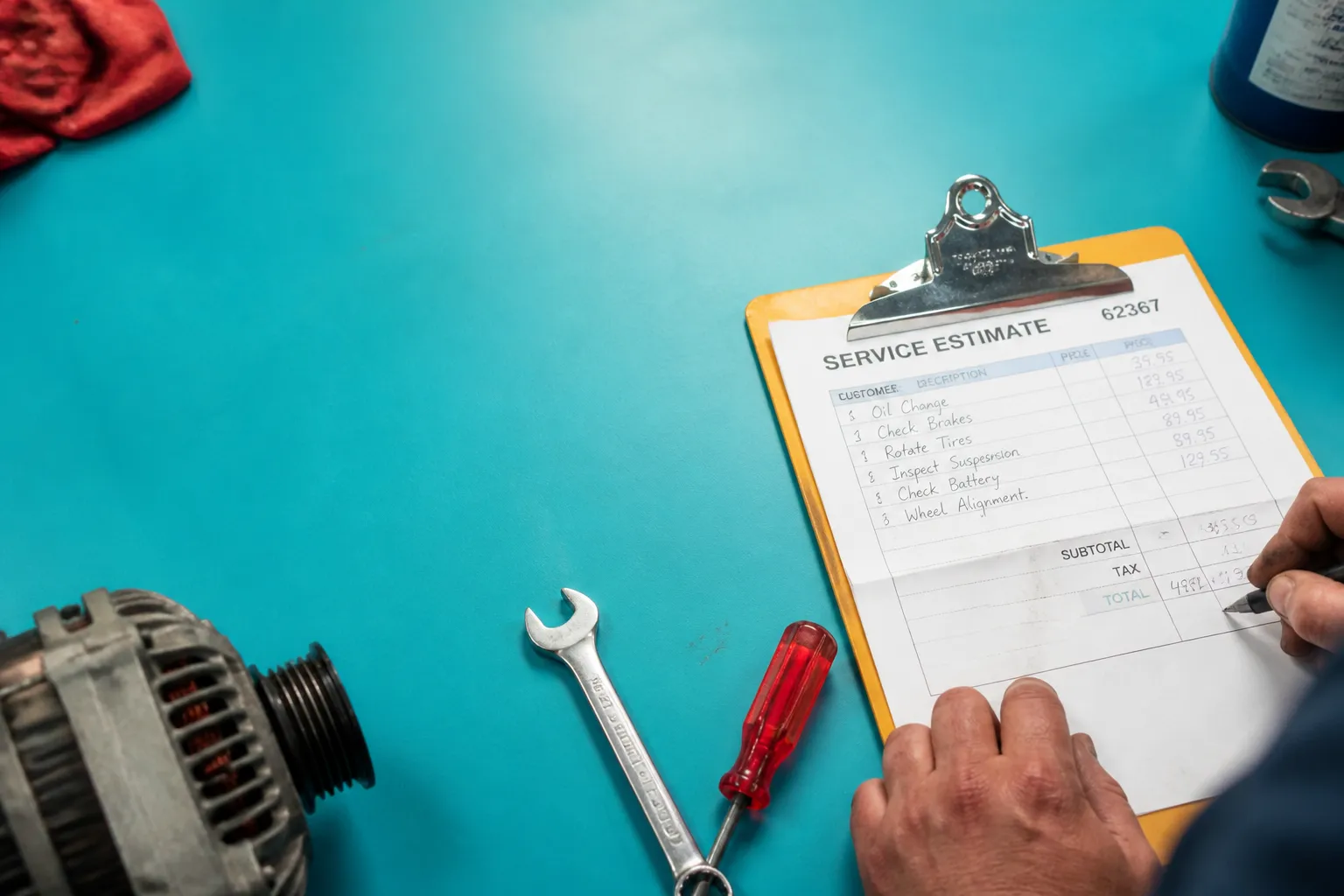
- Check what the repair may cover. Review any warranty or service-contract paperwork you have, and look for consumer guidance on repair estimates. The FTC’s auto warranty and service contract guide and auto repair basics page are starting points.
- Call before you miss a payment. If the repair could put your auto loan payment at risk, contact the lender and explain the situation. The Consumer Financial Protection Bureau (CFPB) says that calling sooner may leave more options to discuss.
- Ask for the terms in plain numbers. Ask which payment options are available, how much each option adds in interest, and when payments would be due. The options described by the CFPB increase total interest, so understand the added cost before agreeing.
- Keep a record. Note when you called, whom you spoke with, what options were discussed, and any next steps or dates. A written record can help you keep track of the conversation.
What an emergency fund is meant to cover
An emergency fund is cash set aside for expenses that are not part of regular monthly spending. The CFPB lists car repairs as one example, alongside costs such as a fender bender, a medical bill, or a broken appliance. Rent, groceries, and regular loan payments belong in the ordinary budget, not in the category of surprise costs.
That distinction matters when a repair arrives. If a reserve is available, it can help pay an unplanned bill without immediately diverting money meant for routine expenses. The CFPB notes that setting aside even a small amount can help people recover from a surprise and return to larger savings goals. A separate reserve can also make it easier to see how much is actually available, rather than confusing it with money for this month’s bills.
The cited guidance does not name a typical car repair price or prescribe a specific amount to hold for repairs. It also raises broader questions about how much emergency savings a household may need and how to build it. For those details, read the CFPB’s emergency fund guide rather than treating one repair estimate as a universal target.
How a repair can put an auto loan at risk
A large repair can create a temporary squeeze: money goes toward the vehicle, and less remains for the loan payment. The CFPB warns that falling behind can lead to negative credit reporting, added fees, and, in the most serious cases, repossession. These are possible consequences, not a prediction that every late payment will lead to all of them.
The order of events is one reason to act early. A missed payment may create additional costs, while leaving the problem unanswered can make the situation harder to manage. If you can see that a repair bill may interfere with an upcoming payment, treat that as a reason to get accurate information promptly, not as a reason to assume a particular outcome.
Keep the two questions distinct: how will the repair be paid for, and how will the loan payment be handled if cash is short? The available source guidance focuses on the second question by explaining that a borrower can call the lender to discuss options. It does not compare credit cards or personal loans as ways to cover repairs, so this article cannot weigh those choices for you.
Make the lender call specific
Before calling, gather the loan account details, the repair estimate, the due date, and a realistic picture of what you can pay and when. These details make it easier to explain the timing problem clearly. You do not need to promise an amount you cannot support; the goal is to ask what options exist and understand their terms.
The CFPB says lenders may have options for borrowers who are worried about making auto loan payments. It also notes that repossession is often more expensive for a lender than working with a borrower, which may be one reason to have the conversation. That does not guarantee the lender will offer a particular arrangement, or that any option will fit your budget.
Ask for the cost as well as the schedule. The CFPB’s discussion says each option it describes increases the total interest paid. Ask how much additional interest applies, what payment dates would change, and whether there are other costs. If an answer is unclear, ask the lender to explain it before you decide. You can review the CFPB’s auto loan payment guidance before or after the call.
Keep the repair estimate in view
Budgeting starts with the amount you are being asked to pay, but the sources summarized here do not establish typical repair prices or explain how to assess a specific estimate. The FTC’s pages on auto repair basics and warranties and service contracts are available for readers who want to investigate those topics directly. Check any coverage documents you already have, and use the relevant consumer guidance to understand what questions may apply.
Once you have the estimate and the loan information, put them on the same short-term budget. List the repair amount, cash available for unplanned expenses, routine bills due before the next income, and the auto loan due date. That view will not decide the right option for every household, but it can reveal the immediate gap and help make a lender conversation more concrete.
For information beyond these steps, the cited sources leave important questions open. They do not explain where to keep emergency savings, how a repair bill might affect a credit score, or how credit cards and personal loans compare as payment methods. The CFPB emergency fund guide and consumer protection pages are useful starting points for those questions, but the available guidance does not make a choice for an individual household.
Please seek a professional. This article is general information, not financial, tax or insurance advice. Please seek a licensed financial, tax or insurance professional about your own situation.


