











A stop payment order asks your bank or credit union not to pay a specific check or process a scheduled debit. The request can be useful when a check is missing or an automatic charge needs to stop, but timing and identifying details matter. So does the fee: an institution may charge for the order even if the payment never arrives.
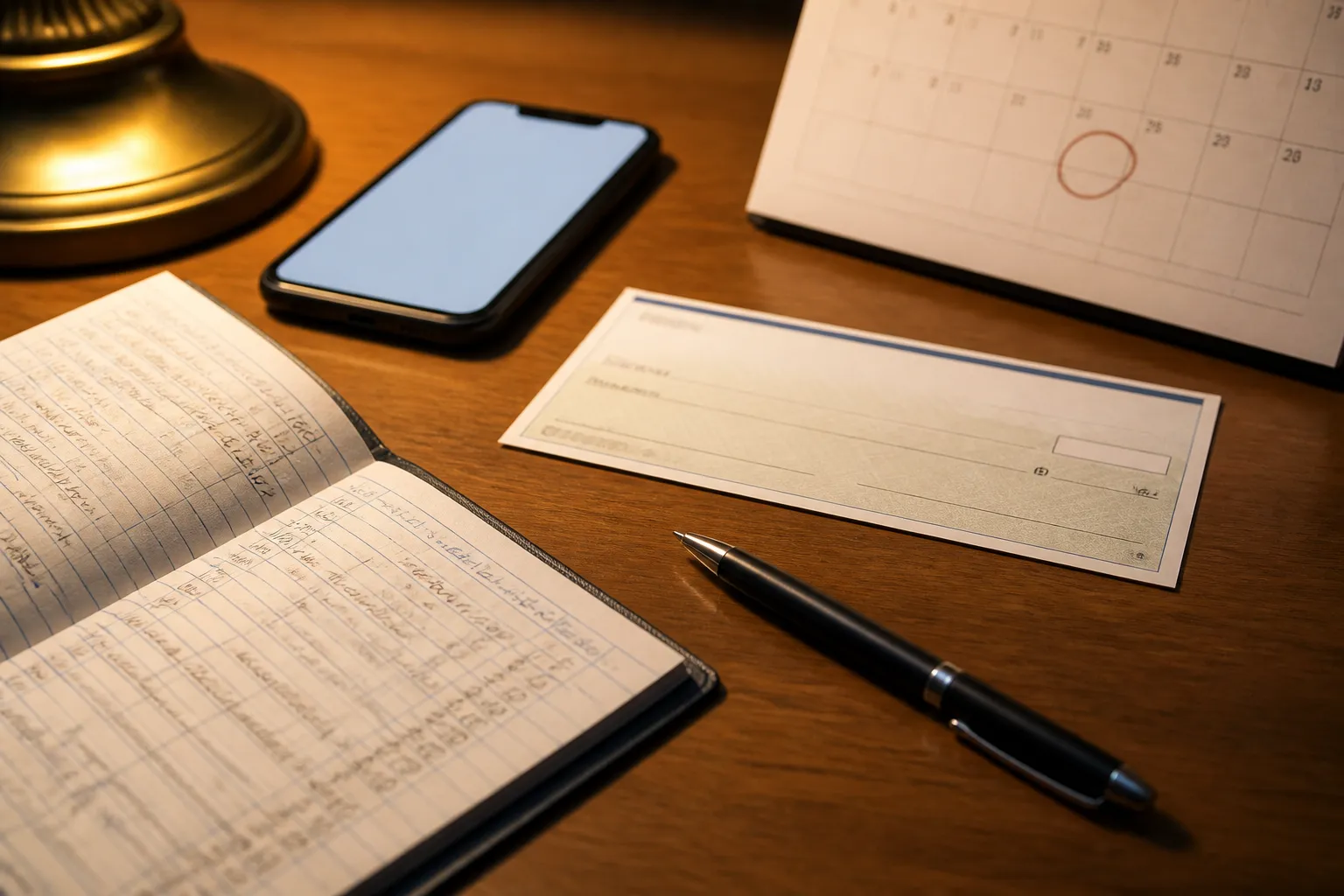
What a stop payment order does
For an ordinary check drawn on your account, a properly placed order generally tells the bank not to pay that check. Contact the bank or credit union right away. According to the Consumer Financial Protection Bureau, the steps and the length of the stop vary by institution.
A bank that pays a check after a proper stop payment order may be liable for the resulting loss. But the order has to reach the bank in time, and the bank needs enough information to identify the check. A vague description such as “the check I wrote last month” may not do the job. The check number, exact amount and payee give the bank a more useful match.
Checks and automatic debits work differently
An ordinary check is drawn on your account. A cashier’s check is drawn on the bank itself, so a customer generally cannot stop payment on one. If a cashier’s check is lost or stolen, contact the issuing bank about its process rather than assuming an ordinary stop payment order will cover it.
An automatic debit raises a second question: what permission does the company still have to charge you? You have the right to stop a company from taking automatic payments from your account, even if you previously authorized them. A bank stop payment can block a scheduled debit without first revoking that authorization. But blocking a debit does not, by itself, cancel a service or settle what you may owe the company.
If you want the company to stop charging the account, tell it in writing that you revoke payment authorization, and tell your bank or credit union separately. Keep copies. If you also want to end the service, say so to the company rather than leaving it to infer that from a failed payment. Debits taken after you have revoked authorization with both the company and the bank can be disputed with the bank as errors. These steps also apply to an authorized electronic debit, often called an ACH debit, from a payday lender.
How long the order lasts, and what it costs
A written stop payment order on a check often lasts six months and can usually be renewed for another six. Some institutions use a one-year period under state-law-based practices. An oral order typically lapses after 14 calendar days unless confirmed in writing, and the bank can require that confirmation. Ask which clock applies to your request and when it starts.
There is no single fee to put in a comparison chart. A bank or credit union may charge for stopping a check, and a bank may charge for stopping a preauthorized debit. Fees and procedures differ by institution. Ask for the exact charge before placing the order, including whether an oral request, written confirmation or renewal changes what you pay. If the order expires, the bank may pay the check when it is presented; placing a new order may be necessary to keep the stop in effect.
How to make a request the bank can use
Call your bank or credit union first to learn its procedure, then follow up in writing or by email if required. Some institutions provide an online form. For a check, have its number, amount and payee ready. For a recurring debit, provide the merchant’s name, your account number with that merchant, and the amounts and dates of the charges. Ask the bank to confirm which payment the order covers.
For a preauthorized transaction, notify the bank at least three business days before it is scheduled. A business day is not necessarily a calendar day, so a weekend or holiday can shorten the time available to act. If the next debit is close, contact the bank promptly and ask what it can still do. Keep a record of when you made the request and any confirmation it sends.
Five questions worth asking before you finish
The most useful questions tie the bank’s policy to a particular payment. They also make it easier to spot a gap between what you meant to stop and what the bank recorded.
- Which check or scheduled debit does this order identify?
- How long will it last, and can I renew it?
- What is the fee, including any fee for renewal?
- Does an oral request need written confirmation, and by what date?
- Does a state rule affect the duration of a written check order?
Check the confirmation against your request. An oral order that is not confirmed when required may lapse after 14 days. An expired order may leave a check payable. And a stopped debit may leave a service active unless you address it with the company. Those are separate problems, even when they begin with the same payment.
Please seek a professional. This article is general information, not financial, tax or insurance advice. Please seek a licensed financial, tax or insurance professional about your own situation.


