
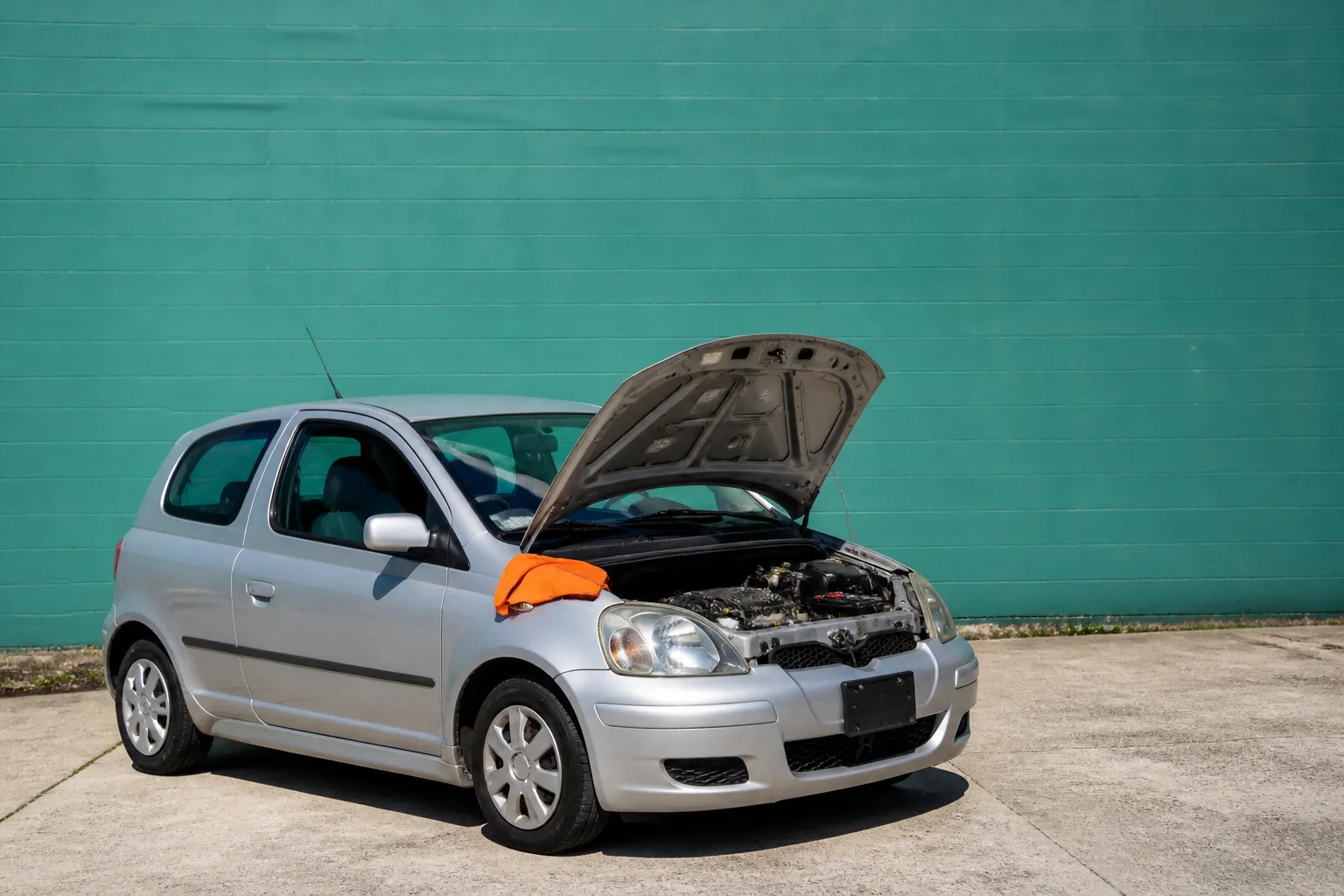
A surprise bill is easier to handle when it has a name. A car repair, a broken appliance, a medical bill, or a gap in income can each break a monthly budget in a different way. A first emergency cushion starts by sorting out which of those costs could land outside routine spending. It does not start with a universal dollar target.

What an emergency fund is for
An emergency fund is cash set aside for unplanned expenses or financial emergencies. The Consumer Financial Protection Bureau (CFPB) gives examples such as car and home repairs, medical bills, and loss of income. These costs can arrive without fitting the usual monthly plan.
The difference is purpose. A monthly utility bill belongs in the ordinary spending plan. The reserve is held apart for a cost nobody expected, or for a disruption that changes what money is coming in. Separating the two jobs can make it easier to see which money is meant for which bill.
The CFPB's emergency fund guide describes dedicated emergency savings as one of the first steps toward saving. It says that setting aside money, even a small amount, can help people recover faster after a financial shock and get back to larger savings goals. That is a general purpose. It is not a promise that any one cushion will cover every emergency.
Build a cash shock worksheet
Take a sheet of paper and draw four columns. Label them cost, how likely, rough size, and what it would disrupt. Then list every surprise you can name. Keep it plain. One line per cost is enough.
Think of a household that depends on one car to reach work. A repair is unplanned, and it also threatens the commute. In another home, a failed appliance or an unexpected medical charge may be the bigger worry. The goal is not to predict the exact bill. The goal is to make the possible kinds of disruption visible.
For the likelihood column, use rough words such as low, medium, and high. For the size column, use a guess in ranges, such as small, moderate, or large, or a figure from a past bill you remember. These entries are your own estimates. No source cited here supplies them. Three questions can help you fill in the sheet:
- What unexpected bill could interfere with essentials or a normal routine?
- Could income stop or shrink without warning?
- Which costs are already part of a predictable monthly plan, and so do not belong on the list?
The CFPB frames the early question the same way: what counts as an emergency for your budget? Its examples include a car repair, a medical bill, or lost income.

Read the worksheet and pick a first target
Once the sheet is filled in, look at the rows that are both likely and disruptive. Those are the costs a first cushion should be built around. A rare, large cost may call for a different plan than a frequent, smaller one, and that is a tradeoff only you can weigh.
Then choose a starting amount you can actually set aside. The CFPB says even a small amount helps, so a modest first goal is consistent with its guidance. A reasonable first step is to aim at the smallest row on your list that would still hurt, such as a minor repair, and save toward that before tackling the larger ones.
Also write down what would count as a reason to use the money. A scheduled car payment is a regular bill. A sudden repair is not. Setting that rule ahead of time can keep the reserve from being spent on things the monthly budget should cover.
What the official sources leave open
The CFPB guide is organized around six questions: what an emergency fund is, why it matters, how much to save, how to build it, where to keep it, and when to use it. The portions of the guide available for this article cover the purpose and the examples. They do not give a target amount, a saving method, or account guidance.
So no dollar figure or number of months of expenses is endorsed here. Treat any rule of thumb you hear elsewhere as unverified until you check it against a current source.
Two Federal Reserve pages bear on household finances, one on unexpected expenses and one on savings and investments, both tied to the 2025 household well-being report. Their survey findings were not available for this article. Readers who want current data can check the Federal Reserve page on unexpected expenses and its page on savings and investments directly.
Account types, deposit insurance, inflation, and what to do when an emergency hits before any savings exist call for separate, current sources. Irregular income or existing debt can change the plan too. This article is educational and is not personal financial, legal, or tax advice.
Please seek a professional. This article is general information, not financial, tax or insurance advice. Please seek a licensed financial, tax or insurance professional about your own situation.