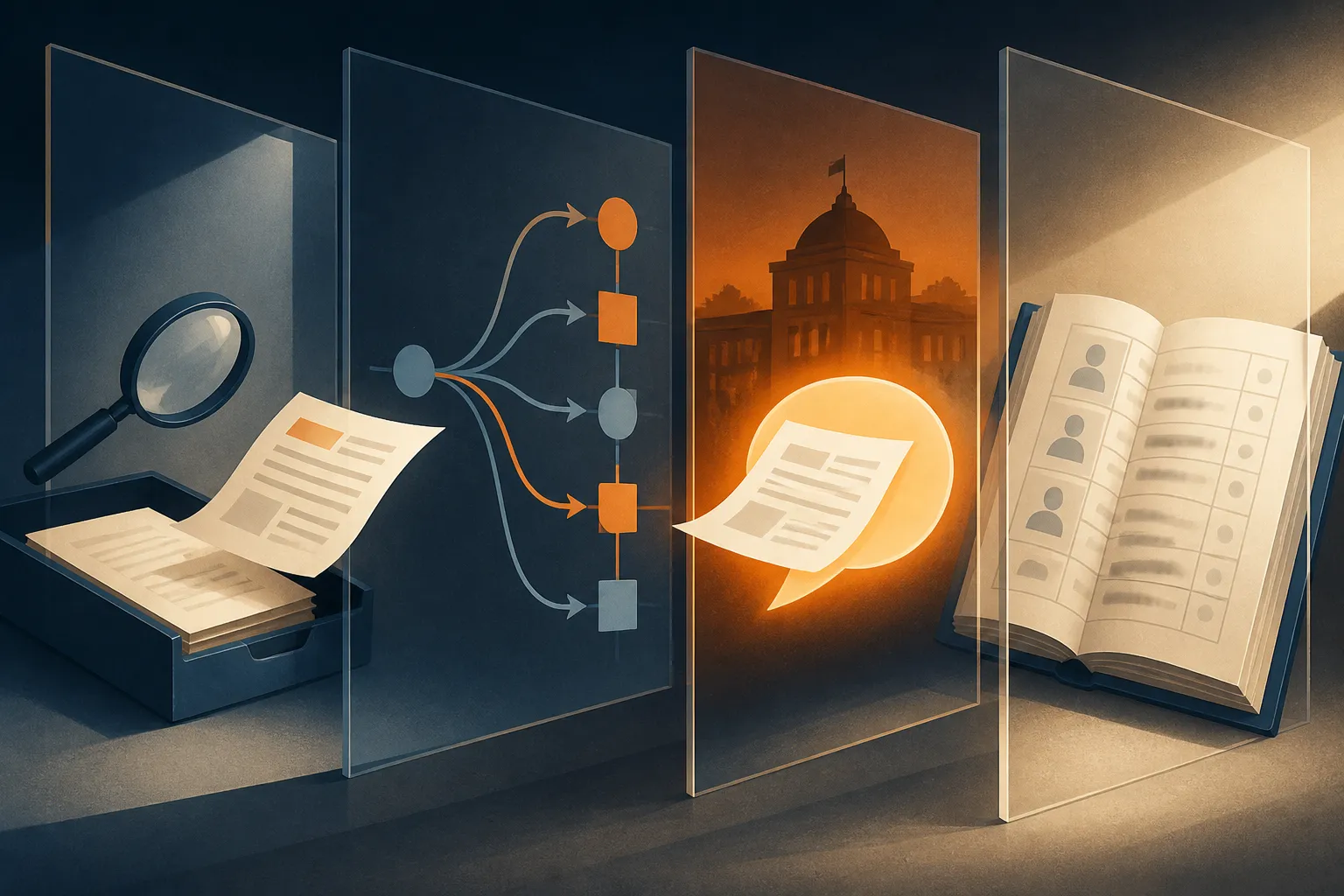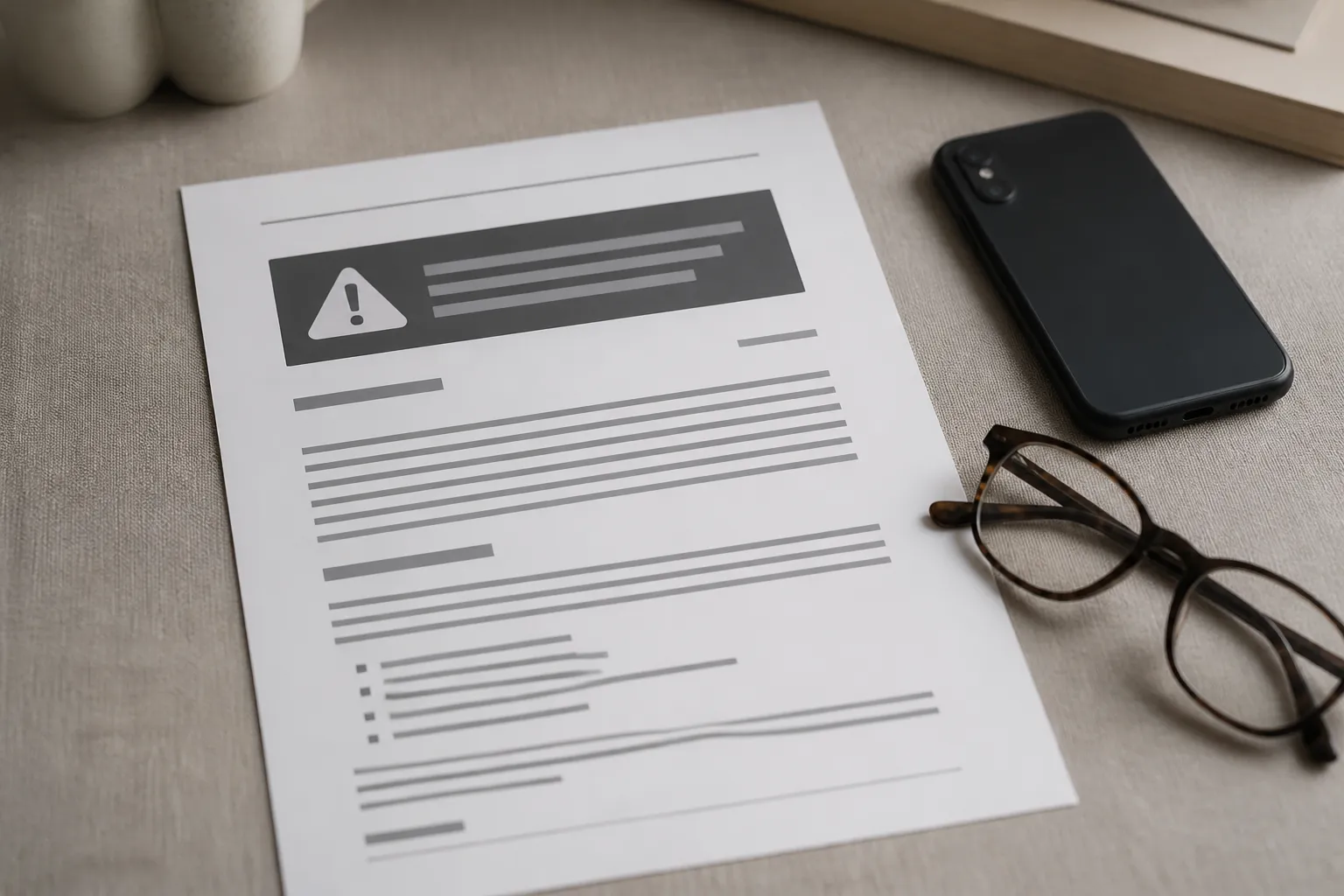








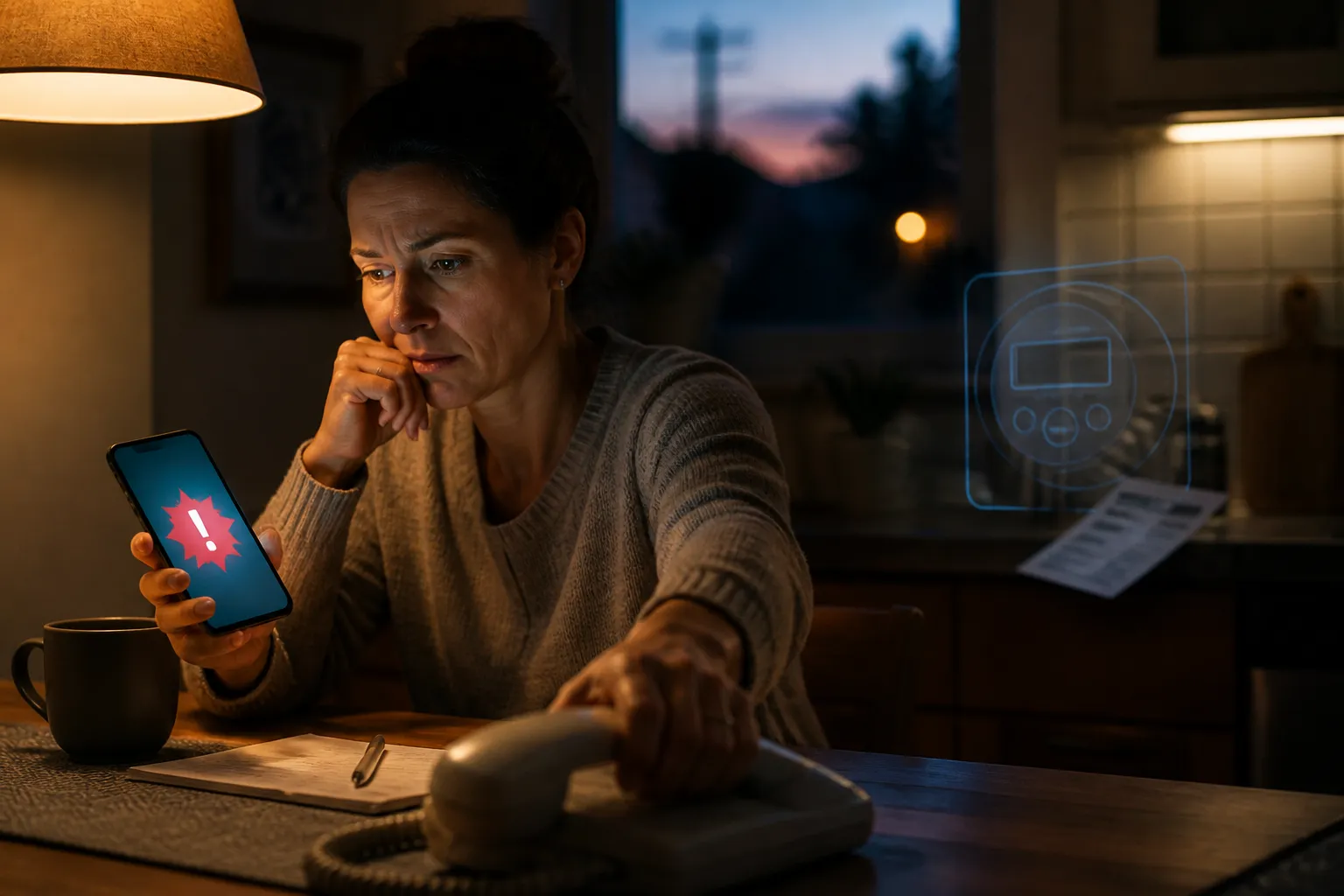
Utility impostor scams work because they borrow the one thing most households cannot ignore, service that keeps the lights on, the heat running, or the water flowing. The pitch is usually simple. A caller, text, email, or even an in-person visitor claims a bill is overdue and service will be cut off unless payment happens right now. That pressure is the trick. It pushes people to act before they slow down and verify the claim.
Scammers use a utility’s name because it sounds ordinary and urgent at the same time. They know many people will not question a message that seems to come from a company they pay every month. They also know the timing matters. A threat of disconnection late at night, over the weekend, or in the middle of a busy day can make a fake warning feel real.
- First, scammers want you to react fast.
- Then they want payment through a channel that is hard to reverse.
- After that, they want you to stay on the line or keep clicking so you do not check details.
The people behind these schemes do not need to be especially technical. They only need a convincing script and a sense of timing. Some use phone calls. Some use texts with links. Some show up in person dressed like workers. Others rely on search ads, QR codes, or fake payment pages that look close enough to the real thing to fool someone in a hurry. The method changes, but the goal stays the same, create panic and get money or account details before the target verifies anything.
Why scammers pose as utility companies
Utilities are a strong disguise because they touch everyday life. Electricity, gas, water, and phone service are not optional for most households. That makes any warning about shut-off feel important. It also makes the scam easy to stage. A fake caller does not need a long story. A past-due bill, a deadline, and a threat to disconnect service can be enough to trigger action.
That urgency is why utility impostor scams keep showing up in different forms. The tactics can change from year to year, but the script stays familiar. Public awareness campaigns exist for a reason. Utility Scam Awareness Day, observed on Nov. 20, 2024, was part of a broader fraud-awareness effort because these scams return often and keep targeting new people.
Groups such as Utilities United Against Scams describe themselves as working to combat impostor utility scams. In plain terms, they bring together utilities and trade associations that share warning signs and consumer education. That matters because the scam is not tied to one region or one company. It is a repeatable playbook that can be adapted to many households.
How the scams reach you
One reason these scams succeed is that they do not arrive in only one way. A message can start with a search result, a text, a QR code, or a caller who sounds official. Sponsored ads can lead to fake bill-payment pages. A QR code can send someone to a lookalike site or even download malware. A text may ask the recipient to verify account activity, then route them to an impostor website.
Some of the oldest tricks still work because they create the fastest path to payment. A common demand is to buy a prepaid debit card or gift card, then read back the card number and PIN. Once the scammer has that information, the money can be spent almost immediately. Legitimate utilities do not ask for payment that way when collecting a bill.
There is also a growing layer of realism. According to UUAS, scammers may use AI tools to make impersonation more convincing. That can mean a voice message, a written note, or a website that looks polished and familiar. The look of a message is not proof it came from your utility. A clean design can still hide a fraud.
Common tactics to watch for
- Threats that service will be disconnected unless payment is made right away.
- Requests to pay with a prepaid card, gift card, or PIN.
- Texts or emails with links to pay a bill or verify account activity.
- QR codes that do not come from the utility’s own materials.
- Small, vague charges on a bill that do not match anything you approved.
Not every utility scam is a direct payment grab. Some are quieter. Slamming means switching your energy or phone provider without your permission. Cramming means adding unauthorized charges to a utility or phone bill. The amounts can be small enough to blend in, which is why a bill review matters even when nothing feels urgent.
Those quieter scams can be missed because they do not always come with a dramatic warning. A household may notice only that the provider changed, or that the bill includes a service charge nobody remembers authorizing. That is one reason it helps to keep old statements long enough to compare them if something looks off later.
Another reason these scams keep working is social pressure. A caller who sounds confident can make a person feel rude for questioning them. That is part of the design. Scammers try to make verification feel risky or inconvenient. A legitimate utility does not depend on that kind of pressure. If a contact is real, it can wait while you check it.
How to verify a caller or worker
The safest move is simple, end the contact and look up the utility yourself. Use the phone number on your bill or the number listed on the company’s official website. Do not call a number the caller gave you. That number may go straight back to the scammer or to a fake support line built to sound legitimate.
You can also log in to your account or call the customer service number printed on your bill to check whether a balance is actually past due. That extra step answers the main question before any money changes hands. If the account shows no shut-off notice, the threat was likely fake. If there is a real issue, the company’s own channel will show the proper next step.
Utilities must give prior notice well before service can be disconnected for nonpayment. In Ohio, the Office of the Ohio Consumers' Counsel says utilities do not disconnect outside normal business hours. That means an immediate shut-off threat, especially late at night or on a weekend, is a warning sign. Rules vary by state, so people should check their own local protections. The point is not to memorize every rule, but to slow down when a message claims there is no time left.
Questions that force a pause
- Is the caller demanding immediate payment or threatening disconnection without written notice?
- Is the caller asking for a prepaid card, gift card, or PIN?
- Is the caller asking for personal or account information?
- Did I authorize a change in energy or phone provider?
- Do the charges on my bill match services I approved?
Those questions work because they are concrete. A scam thrives on vague fear. Verification depends on specific facts. If the answer to any of those questions is no, the safest response is to stop the interaction and make a fresh call using a trusted number.
What to do if you suspect a problem
If the issue is slamming, start with the current company and challenge the change. Then contact the utility to switch back to your original provider and ask that any related charges be removed. In Ohio, the Public Utilities Commission of Ohio is one reporting route for unauthorized switches. Other states have their own utility regulators, so the name may differ even when the problem is the same.
If the issue is cramming, contact the company that placed the charge and the utility that issued the bill. Ask for removal of the unauthorized charge. In Ohio, the attorney general’s office is another possible place to report the problem. Keeping copies of bills, dates, names, and call times can help if the dispute continues. Small details matter when a bill is being reviewed later.
If you already paid a scammer or shared account details, move quickly. The sources reviewed here do not lay out a full follow-up checklist, but the practical next step is to contact your bank or card issuer right away. A report to the Federal Trade Commission through its consumer reporting channels may also be useful. The FTC does publish utility scam alerts, although the retrieved text for those pages was limited and did not include detailed guidance.
The broader lesson is steady and useful. Utility impostor scams depend on fear, speed, and a contact method that looks official enough to avoid questions. A calm response breaks that pattern. Stop, verify through a number you found yourself, and check the bill before paying. That short pause is often the difference between a real account issue and a scam dressed up like one.
Please seek a professional. This article is general information, not financial, tax or insurance advice. Please seek a licensed financial, tax or insurance professional about your own situation.