










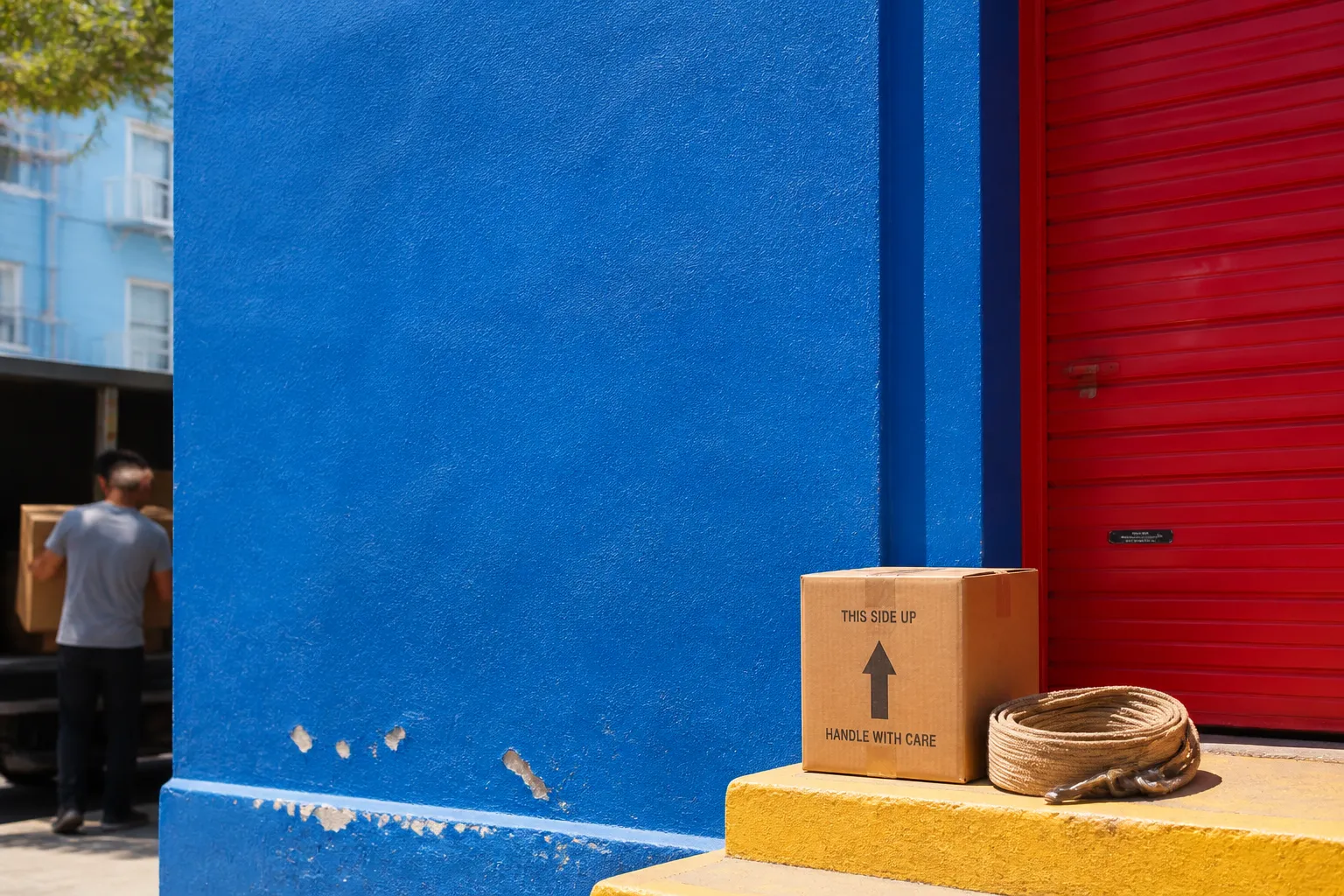
When you prepare to relocate across state lines or ship a car to a new city, price tags add up fast. Fraudulent operators know this, and they prey on the natural desire to find a bargain. Moving and vehicle transport schemes routinely start with an online or phone quote that undercuts legitimate carriers by hundreds of dollars. Once you commit, the dynamic changes. The original price climbs steeply at pickup, or an upfront deposit vanishes alongside any hope of a truck arriving at your driveway.
Understanding how dishonest brokers and rogue operators operate is the most dependable protection you have. The Federal Trade Commission and consumer protection groups frequently warn that these schemes rely on rushed decisions and incomplete paperwork. With a few concrete verification steps, you can filter out deceptive outfits before you sign a contract or transfer funds.
How the scam usually unfolds
Moving and auto transport fraud rarely begins with an aggressive confrontation. In most instances, the initial contact feels polished and reassuring. You submit an inquiry on a quote aggregator website, and within minutes, a representative calls back with an attractive estimate. The sales rep answers questions smoothly, points you toward glowing testimonials on unfamiliar review portals, and claims their company has served families for decades. That friendly posture often evaporates the moment a deposit clears.
A central tactic is quoting a move without conducting a thorough visual inventory. A legitimate mover needs to evaluate the volume and weight of your goods, either through an in-person walk-through or a detailed virtual survey. Fraudulent outfits skip this step. They offer a sight-unseen estimate over the phone, assuring you that the price will hold. In reality, that low estimate serves merely as bait to secure your signature.
Once moving day arrives, the operation often reveals a different layer: subcontracting. Many consumers believe they hired a dedicated carrier, only to see an unmarked rental truck pull up with day laborers who have no direct ties to the original firm. According to research by the Better Business Bureau, some rogue movers routinely outsource jobs to third parties without disclosing the arrangement. If items get broken, lost, or stolen, neither party accepts responsibility.
In the worst cases, known as hostage load situations, the crew loads your furniture or vehicle and then claims the shipment drastically exceeded the weight estimate. The driver demands cash or an immediate electronic payment before unloading, often adding arbitrary storage or fuel fees. If you refuse, the truck drives off with your life possessions locked inside, leaving you with little immediate recourse.
Check the company federal registration first
Every interstate household goods mover and auto transporter operating in the United States must follow federal registration laws. The Federal Motor Carrier Safety Administration (FMCSA) issues operating authority and assigns unique identifiers known as USDOT numbers. Before you spend time evaluating a quote, verify that the company holds active operating authority on the official FMCSA database.
Do not rely on a registration logo printed on a PDF estimate or a link embedded in an email. Fraudulent outfits frequently copy real USDOT numbers from lawful carriers or display expired credentials. Visit the federal search tool independently and confirm three details: the exact legal name of the business, its physical address, and its insurance filing status. If the company operates under a trade name, check that the DBA (Doing Business As) filing appears on the government record.

Vehicle shipping involves an additional layer of clarity. Many firms marketing auto transport online are brokers rather than carriers. Brokers arrange the logistics but do not own the trucks that haul the vehicles. While freight brokerage is entirely legal, brokers must hold broker authority and maintain required surety bonds. The broader transport industry has seen thousands of broker authorities revoked in recent years due to bonding and compliance lapses, making it critical to verify whether you are dealing with a licensed broker or an actual motor carrier.
Checking federal records does not guarantee flawless customer service, but it immediately weeds out unlicensed operators who operate outside federal oversight. If a mover refuses to provide its USDOT number, or if the number belongs to a different entity located in another state, walk away.
Get a binding estimate and read the terms
Federal regulations distinguish between binding and non-binding moving estimates. A non-binding estimate provides an approximation of the cost based on expected weight, but the final charge depends on the actual scale weight of the loaded truck. A binding estimate guarantees the total cost for the specific inventory listed, provided you do not add more boxes or furniture later.
Scam operators prefer loose, non-binding quotes because it leaves room to inflate the bill later. Consumer alerts from the BBB note that extra-weight fees can run substantially higher per pound than the base rate, sometimes doubling the anticipated cost. When you request quotes, insist on a written, binding estimate based on an itemized inventory list. If you receive an estimate based purely on cubic feet rather than weight, treat that as a warning sign. Weight is standard for interstate household moves, whereas cubic-foot measurements are notoriously easy for unscrupulous crews to manipulate by packing loosely.
You must also examine liability coverage. Federal rules require interstate movers to offer two tiers of valuation: Released Value and Full Value Protection. Released Value comes at no extra charge, but it covers items at a minimal statutory rate of 60 cents per pound per article. If a sixty-pound television breaks, default protection yields only thirty-six dollars. Full Value Protection requires the mover to repair, replace, or compensate you for the current market value of damaged goods, though it adds an upfront fee. Clarify which option is selected on your paperwork before signing.
Be careful with deposits and payment methods
Payment terms provide one of the clearest signals separating reliable transport companies from predatory ones. Demands for large upfront cash payments or transfers through peer-to-peer mobile apps are a major warning sign. Legitimate commercial carriers maintain merchant accounts to accept standard credit cards, which offer built-in statutory dispute mechanisms under federal banking rules.
In car shipping particularly, scammers frequently ask for an upfront booking fee before dispatching a driver. According to a BBB vehicle transport scam alert, fraudulent operations sometimes request seemingly minor sums, such as a fifty-dollar booking deposit sent through a digital wallet, only to disappear completely when pickup day arrives. A low initial deposit can lull you into believing there is little risk, but it gives the scammer easy money and leaves your vehicle stranded.
Establish the payment schedule in writing before any vehicle or household item leaves your possession. Ask what percentage is due at booking, what is due at pickup, and what is due upon delivery. Be wary of any mover that demands final payment in cash or money order before they begin unloading your goods. If a driver insists that the truck will not be opened until untraceable funds are handed over, that constitutes coercive leverage.
Red flags and where to report problems
Spotting fraud comes down to recognizing clusters of suspicious traits. While an occasional administrative error can happen with any business, several warning signs appearing together point toward deliberate deception:
- An extraordinarily low quote delivered without an in-person or video inventory check.
- A business name that does not match the USDOT registry or that uses generic phrases like "All American Moving" on invoices without a physical address.
- Sales agents who answer calls with generic greetings such as "moving services" rather than a specific business name.
- Pressure to pay deposits exclusively via wire transfer, digital payment apps, or money orders.
- Sudden communication blackouts as soon as the initial deposit clears.
- Reviews that appear identical across multiple obscure websites, posted over a short window of time.
If you encounter a suspected moving scam, act promptly. Guidance from the Federal Trade Commission recommends gathering every document, including initial quote emails, signed bills of lading, inventory sheets, and payment receipts. You can file a formal complaint through the FMCSA National Consumer Complaint Database and submit a report to the FTC. If your goods are actively being held hostage for extortionate payments, contact local law enforcement and your state attorney general consumer protection division immediately to document the incident.