










When an auto lender, card issuer, or collection agency sends erroneous account data to a credit bureau, federal law limits what that company can continue to report. A company that supplies account data to credit bureaus is legally classified as a furnisher. If you uncover an error on your credit file that comes from an account you hold or once held, you do not have to rely only on filing a dispute with the credit bureaus. You have the statutory right to challenge the data directly with the company that reported it. Handling this process requires clear documentation, careful routing to the right mailing address, and an understanding of what furnishers are legally obligated to investigate.
- Confirm whether the disputed item concerns account-specific terms, payments, or identity theft rather than bureau-managed personal identifiers.
- Locate the furnisher's designated dispute address on your credit report or in direct correspondence from the company.

- Assemble copies of concrete evidence, such as billing statements or identity theft affidavits, while retaining all original documents.
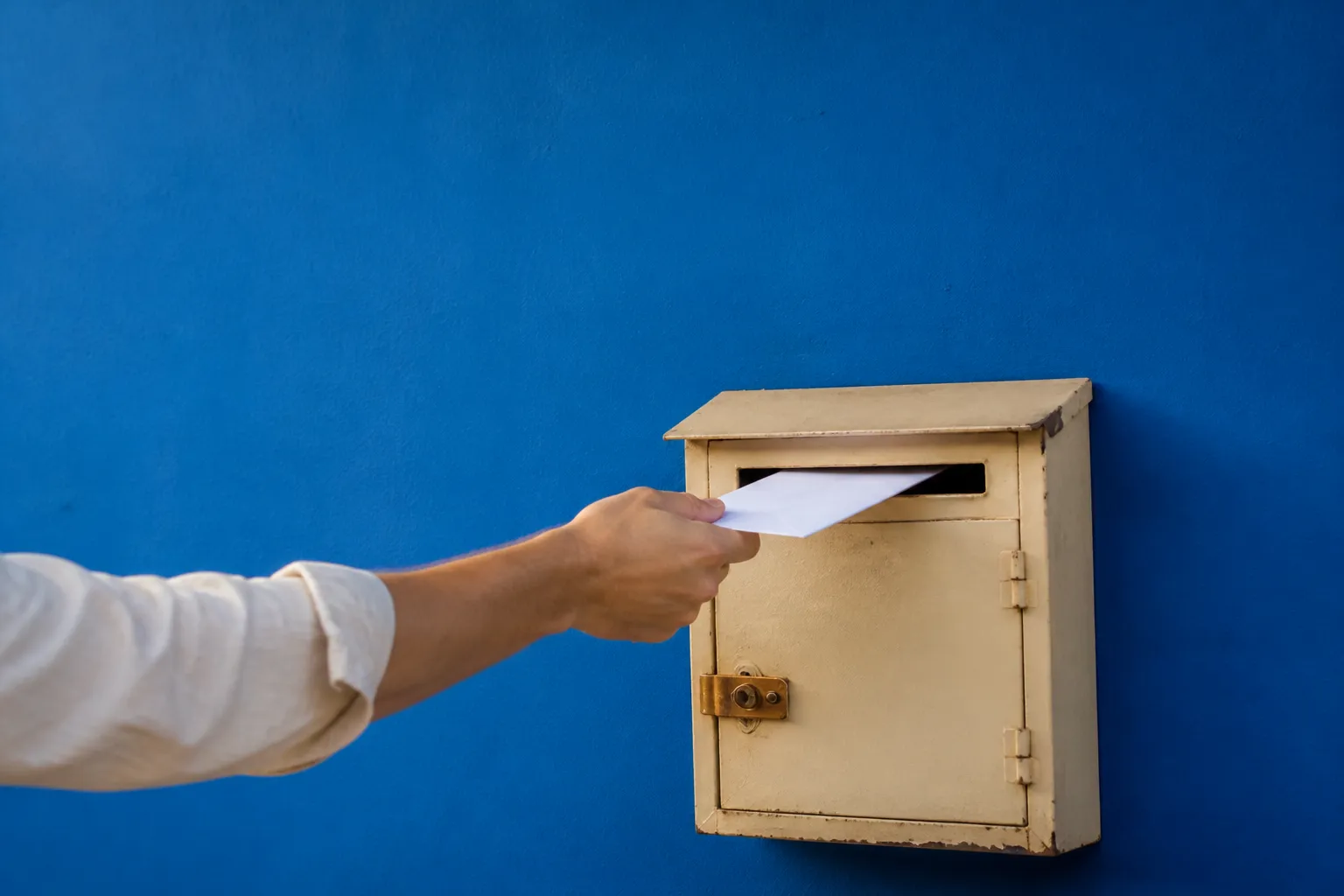
- Send your dispute letter by certified mail with a return receipt to establish documented proof of delivery.
What the law requires of furnishers
Under 15 U.S. Code § 1681s-2, federal law bars a furnisher from providing information about an account to any credit reporting agency if the furnisher knows, or has reasonable cause to believe, that the information is inaccurate. The statute establishes a clear legal standard for what counts as reasonable cause. The term means having specific knowledge, other than solely the consumer's allegations, that would cause a reasonable person to have substantial doubts about the accuracy of the data. If a consumer simply calls customer service and says an account balance is wrong without proof, that statement alone may not meet the legal threshold of reasonable cause for the company.
A distinct statutory duty takes effect once formal notice is delivered. A furnisher may not report specific account information if the consumer has notified the furnisher, at the address specified by the company for such notices, that the information is inaccurate, and the information is in fact inaccurate. Notice sent to a general corporate office or a standard payment processing box may not trigger this duty. The law connects the reporting prohibition directly to whether the notice was delivered to the designated address the furnisher provided for dispute handling.
Direct disputes and the investigation duty
Federal regulations spell out exactly which types of errors a furnisher must investigate when contacted directly by a consumer. Under 12 CFR § 1022.43, known as Regulation V, a furnisher must conduct a reasonable investigation of a direct dispute that concerns your liability for an account. This includes claims of identity theft or fraud, questions of joint versus individual liability, and authorized-user status. The duty also covers disputes regarding account terms, such as an incorrect credit limit or interest rate, your payment history or account conduct, and other information that bears on your creditworthiness.
The regulation also creates explicit exceptions. Certain items sit outside the furnisher's direct investigation duty and must be submitted to the credit reporting bureaus instead. A furnisher is not required to investigate direct disputes regarding:
- Personal identifying information, including your legal name, date of birth, Social Security number, or home addresses.
- Employment history listed on your credit file.
- Inquiries from other companies reviewing your credit.
- Public records, including civil judgments, tax liens, or bankruptcies.
- Fraud alerts or active-duty military notices placed on your file.
- Information that originated from an entirely different furnisher.
Sorting your dispute items into account-specific claims and bureau-level identifiers before writing saves time and ensures your packet reaches the party required to review it.
Writing and sending the dispute package
To satisfy regulatory standards, your written dispute must contain specific information rather than a general expression of dissatisfaction. Your letter needs to identify the account clearly by including the account number, your full legal name, your current mailing address, and your telephone number. It must specify the exact data point you dispute, explain precisely why that information is incorrect, and include copies of supporting documents that prove your position.
Acceptable supporting evidence includes billing statements, cancelled checks, payment confirmation records, police reports, or court orders. If you are disputing fraudulent activity or an account opened without your consent, you can submit an identity theft report or affidavit. The Consumer Financial Protection Bureau explains dispute procedures and advises consumers to submit copies of documents, never originals. The agency also recommends sending your letter by certified mail with a return receipt requested. The green return receipt card or electronic delivery confirmation provides physical proof of the date the company accepted delivery.
Before sealing the envelope, verify the recipient address. Check the account entry on an official copy of your credit report or look at recent written notices sent by the creditor to find its designated dispute address. If the furnisher has published or provided a specific address for disputes, you must use it. If the company has never provided a specific dispute address on your reports or notices, federal rules permit sending the dispute to any general business address of the furnisher.
Choosing between the furnisher and the credit bureau
Consumers often wonder whether they should contact the credit bureau first or go straight to the company reporting the data. The CFPB provides dispute letter templates for both paths and advises consumers that disputing errors with both the credit bureau and the furnisher is often a sound strategy. Disputing with the bureau triggers the bureau's statutory duty to forward your dispute to the furnisher, while a direct dispute forces the furnisher to review its internal account ledger against your evidence under Regulation V.
For situations involving stolen personal information, consumers can use IdentityTheft.gov to file an official report, which creates a formal affidavit that furnishers recognize during investigations. Regardless of which path you choose, write the dispute in your own words based on your personal financial records. Under federal rules, a furnisher has no legal obligation to investigate a direct dispute if it reasonably believes the submission was prepared, packaged, or submitted by a commercial credit repair organization. Drafting your own factual letter avoids triggering this regulatory exemption.
Unresolved questions and statutory boundaries
While the Fair Credit Reporting Act and Regulation V establish clear rules for filing disputes, several procedural gaps exist in published regulatory guidance. A 30-day turnaround window is widely cited as the timeline for a furnisher to complete a direct dispute investigation, but that specific number is not explicitly confirmed across all visible direct-dispute statutory texts without cross-referencing bureau-forwarded dispute rules. Furthermore, the available regulations do not fully spell out the specific form of written notice a furnisher must send you once its investigation concludes.
The rules also leave open practical questions about how notice obligations apply when an account is charged off, sold to an independent debt buyer, or transferred between multiple servicing firms. If a furnisher continues reporting erroneous information after receiving proof of an error at its designated address, the administrative remedies and enforcement mechanisms depend heavily on statutory interpretation and whether the dispute originated directly or through a bureau. You can review public guidance published by the Federal Trade Commission on disputing credit errors to monitor updates on administrative enforcement and consumer reporting protections.
Please seek a professional. This article is general information, not financial, tax or insurance advice. Please seek a licensed financial, tax or insurance professional about your own situation.


