







A polished storefront can still be a copy of a real business’s website. Before entering payment or personal information, check the web address, the seller’s contact details and policies, and what independent sources say about the business. These checks will not prove that every seller is safe, but they can help you spot warning signs before checkout.
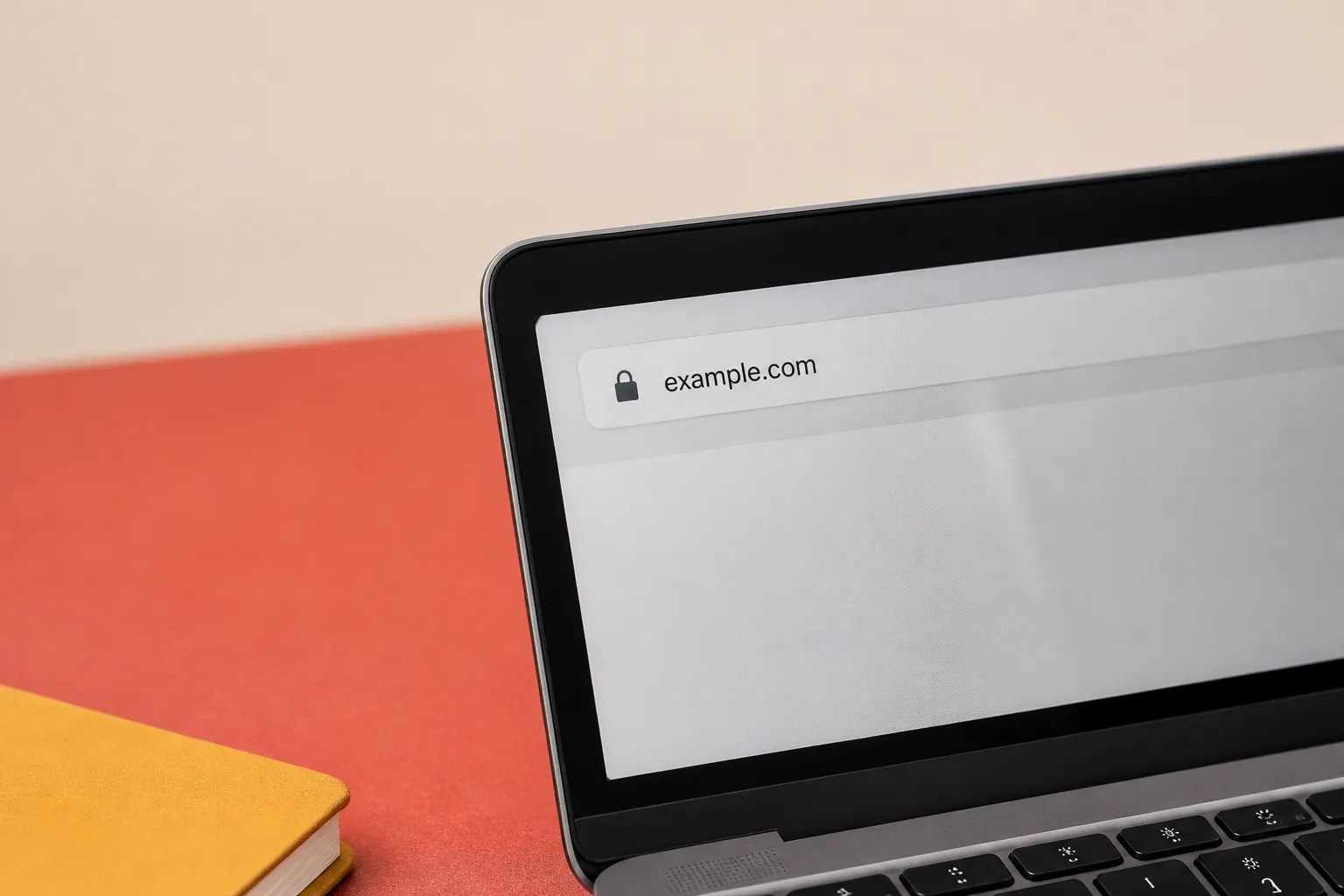
Scam sites may use web addresses that differ from a real business’s by only a letter or an extra character. Others imitate a familiar site’s colors, images, and layout. A quick glance at the page is not enough to tell whether you have reached the seller you intended to visit.
The goal may be to collect card details, account logins, or other personal information through a fake site or a link that leads to one. The Cybersecurity and Infrastructure Security Agency advises shoppers to use official, secure websites and keep their devices and accounts protected.
Think of the checks below as separate questions. A secure connection does not confirm who runs a site. A convincing design does not confirm that orders will arrive. Several consistent details are more useful than any single sign.
Start with the address, not the page design
Read the domain name carefully, including its spelling and ending. A small change can send you to a different website. If you spot a misspelling or an unfamiliar address, close the page and reach the business through a route you already trust, such as an address you typed yourself or a bookmark you made earlier.
Also check where the main domain ends. A familiar business name can appear at the beginning of a longer address without being the site’s actual domain. For example, in a string formatted like “brand.example-shop.com,” the domain is “example-shop.com,” not the familiar name at the front. The Better Business Bureau’s guidance on fake websites explains why lookalike addresses and misleading subdomains deserve attention.
Be cautious with links in emails, texts, and ads. On a computer, hover over a link to preview its destination. On a phone, press and hold if your device shows a preview. If the destination does not match the message, or the address is shortened and cannot be checked, do not use that link. Go to the seller’s site another way.
Page design can provide another clue, but it is not a verdict. Poor images, awkward layouts, inconsistent fonts, and clumsy wording may be warning signs, particularly when they do not fit the business’s usual presentation. A plain or imperfect website alone does not prove fraud, and a polished imitation does not prove legitimacy.
Test the seller’s details and policies
Look for a contact section with a physical address and a working phone number. Check whether the details are easy to find and appear consistent with the business. If a number is listed, you can see whether it connects to the seller it claims to represent. Missing or hard-to-check contact information leaves you with fewer ways to resolve a problem.
Read the return and shipping terms before placing an order. Clear policies should explain how returns work, what shipping costs, and what delivery timing to expect. Vague, incomplete, or missing terms can make it difficult to understand what the seller is promising. The BBB recommends taking care when these basic details are absent or unclear.
Do not treat a policy page as proof on its own. A fake store can copy wording from another business, just as it can copy a logo or product photos. Consider whether the contact information, policies, domain, and overall presentation tell a consistent story. A mismatch between them is a reason to pause.
Look beyond reviews hosted by the seller
Search the seller’s name alongside terms such as “reviews” or “scam.” Look for accounts from sources outside the store’s own website. A seller controls which testimonials it displays, while independent reviews or reports may describe problems with delivery, billing, or customer service.
Read the details rather than relying only on a rating or a single comment. Repeated reports of the same problem may be more informative than one broad complaint. At the same time, few or no reviews do not establish that a seller is fake. A newer business may simply have little public history.
Pay attention to how you found the store, too. Unsolicited offers, unexpected invoices, pressure to act quickly, and messages that impersonate an organization are common ways people are drawn toward suspicious links. If a message uses personal details or seems unusually urgent, verify it through contact information you locate independently rather than replying to the message.
Keep site security separate from seller identity
A lock icon or an address beginning with “https” indicates that the connection is encrypted. That helps protect information as it travels between your device and the site. It does not confirm that the site belongs to the real business. A fraudulent storefront can also use an encrypted connection.
Before shopping, keep your device and browser updated, use strong, unique passwords for accounts, and turn on multifactor authentication where it is available. These steps do not verify a seller, but they can help limit the damage if a password or other information is exposed. The CISA shopping safety guidance covers these general protections.
Make one final check before checkout
Pause before entering information and ask whether the domain matches the business, the contact details are credible, the shipping and return terms are clear, and independent sources raise concerns. Also consider whether you arrived through an unexpected message or an unfamiliar link. If several details do not add up, do not proceed through that page. Find the business through a trusted route and check again.
No single check can guarantee that an online seller is legitimate. The point is to avoid treating appearance, a lock icon, or a set of seller-hosted reviews as proof. A careful look at the address and the business details takes little time, and it may reveal a mismatch before you share sensitive information.
Please seek a professional. This article is general information, not financial, tax or insurance advice. Please seek a licensed financial, tax or insurance professional about your own situation.