







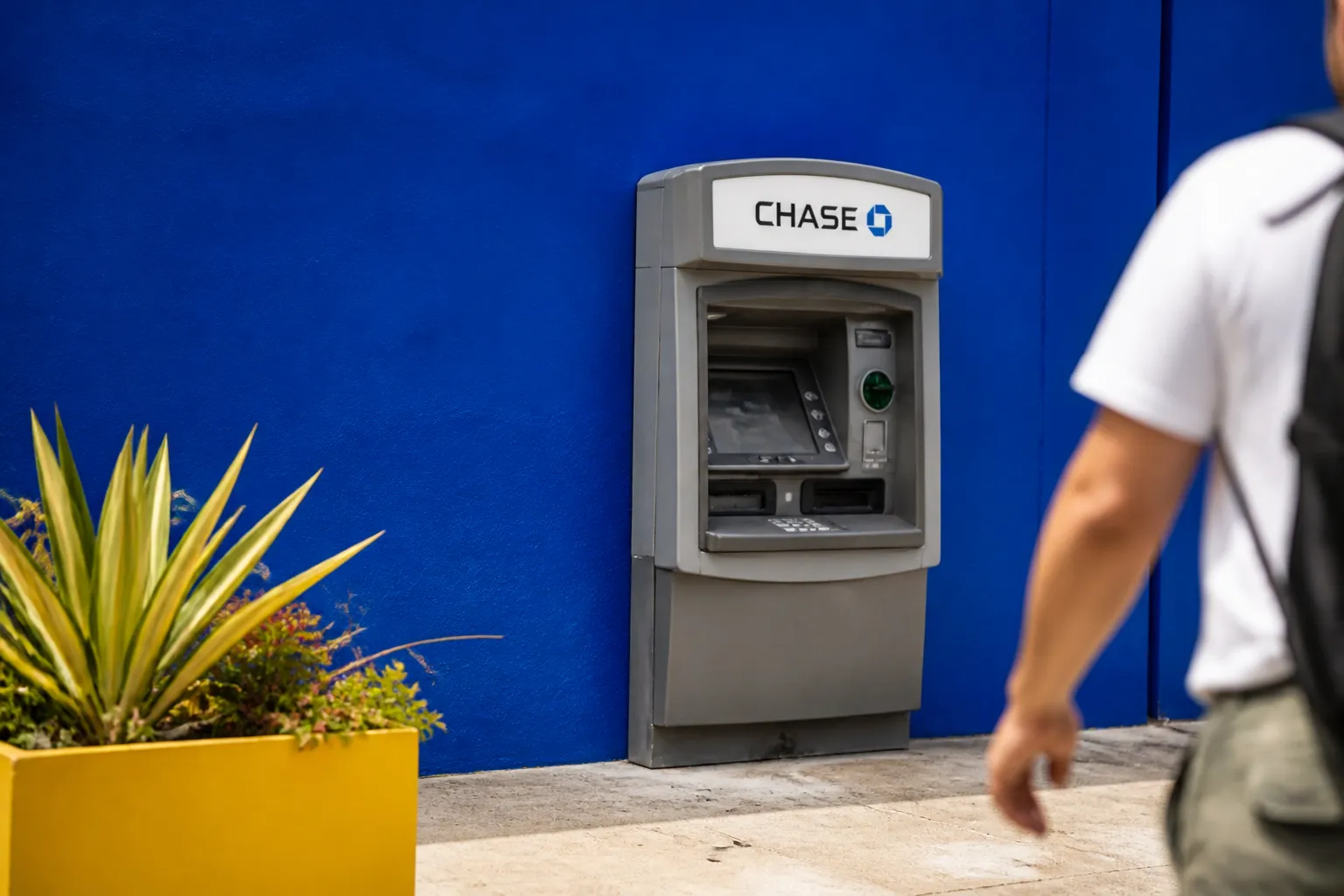
Card skimming used to be easier to spot. Years ago, criminal hardware often consisted of thick plastic casings glued directly over an automated teller machine card reader or a bulky false keypad snapped on top of the original buttons. If you tugged at the plastic frame, the whole piece might wiggle or pop off in your hand. Today, thieves have changed tactics. Instead of sitting visibly on the exterior housing, modern skimming hardware is designed to slide deep inside the card slot itself, making it virtually undetectable to someone making a routine withdrawal or buying groceries.
Understanding how these hidden devices operate and where federal authorities are finding them can help you spot subtle warning signs before you insert a card.
What Card Skimming Is and Who Investigates It
Skimming is the covert capture of payment card data through unauthorized electronic hardware installed on payment terminals. When you insert or swipe your card, the hidden device records the sensitive information stored on the card without alerting you or interrupting your transaction. Organized criminal groups install these devices on automated teller machines (ATMs) and point-of-sale checkout terminals. According to the U.S. Secret Service, which serves as the lead federal law enforcement agency investigating access device fraud, skimming operations inflict hundreds of millions of dollars in financial losses on victims every year.
The threat does not stop at the compromised machine. Once thieves retrieve the collected data, they rarely keep it confined to a single neighborhood. Criminal rings frequently re-encode the stolen account information onto magnetic strips of counterfeit cards. They use those forged cards to make unauthorized cash withdrawals, purchase luxury goods, or clear out balances. In many cases, these groups package the information into bulk digital files and sell it to other illicit networks. As a result, a single compromised checkout terminal can ripple into unauthorized charges across hundreds of separate consumer bank accounts.
How Modern Devices Hide Inside the Reader
The primary design shift in skimming technology involves placement. Federal investigators report that modern ATM skimming hardware is routinely inserted deep inside the card reader slot. Because the mechanism sits entirely within the throat of the machine, it is usually impossible to see from the outside. A quick glance at the machine exterior reveals nothing out of place. The card slides in, the transaction completes, and the user walks away unaware that an interceptor sat between their card and the bank terminal.
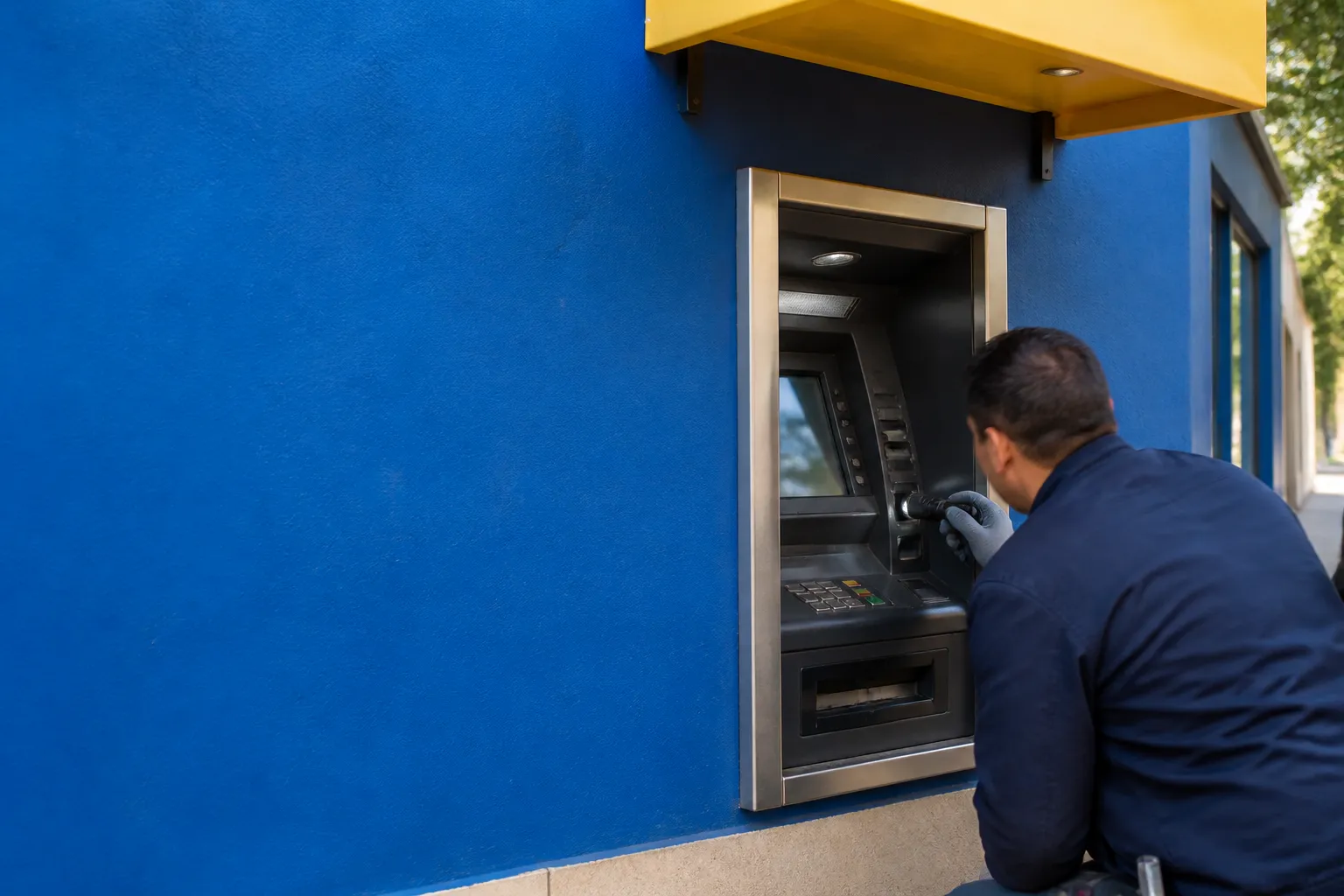
These concealed devices are engineered to harvest multiple types of data. While older skimming methods focused solely on copying the magnetic stripe along the back of a payment card, modern hardware can be configured to capture both the magnetic stripe data and information transmitted by the card's EMV chip. EMV stands for Europay, Mastercard, and Visa, which is the global standard for the embedded microchips found on modern payment cards. Many people assume that having an embedded chip makes their card impervious to fraud, but illicit devices placed inside the reader slot can still intercept the data exchanged during the transaction.
Equipment manufacturers continue to design physical and digital anti-skimming countermeasures for automated terminals. Yet law enforcement records show that criminal groups actively adapt their tools to bypass those safeguards. It remains a continuous technical race between security engineers and organized fraud rings.
Where Skimming Happens Beyond the Bank
While bank automated teller machines are frequent targets, point-of-sale terminals at everyday retail businesses carry similar risks. The Secret Service emphasizes that skimming incidents occur regularly at routine shopping destinations, including pharmacies, gas station pumps, and neighborhood grocery stores. These are busy environments where thousands of customers process payments every day, offering thieves a steady stream of account data.
In most instances, the business owner has no idea their checkout counter has been tampered with. The Secret Service notes that store managers and clerks often learn an illegal device was operating inside their store only after federal agents or local police arrive to conduct an inspection. Because employees generally lack the technical tools to detect concealed hardware inside a reader, shoppers cannot assume that an open checkout lane is automatically verified and clear.
The operational scale of this problem is substantial. In an overview of its enforcement efforts, the Secret Service nationwide crackdown detailed 22 joint operations conducted across multiple cities alongside state and local partners. During that push, investigators visited more than 9,000 businesses and inspected nearly 60,000 point-of-sale terminals, fuel pumps, and ATMs. Those inspections resulted in the removal of 411 illegal skimming devices, preventing an estimated financial loss of more than $428.1 million across consumer accounts and government benefit programs.
Everyday Checks and Habits to Reduce Your Risk
Because deep-insert skimming equipment leaves few external clues, you must rely on careful terminal selection and consistent physical habits at the keypad. Choosing where you access cash is one of the most effective ways to lower your exposure. Federal authorities recommend using ATMs located inside the secure lobby of a financial institution, machines situated in interior vestibules monitored by security cameras, or units positioned closest to a bank drive-up window. Criminals prefer quiet, poorly lit, or unmonitored machines where they can install and retrieve equipment without being interrupted. Well-trafficked interior bank terminals present a much harder target.
Before inserting a card at any public terminal, look closely for subtle physical irregularities. The Secret Service highlights several distinct red flags:
- Inoperable, broken, or flashing indicator lights around the card slot.
- Raised numeric keypads, thick edges, or faceplates that feel loose when pressed.
- Unusual stickers, misaligned brand logos, or adhesive residue placed around the card opening or above the screen.
- Mismatched colors or textures between the card entry frame and the surrounding machine housing.
Finally, make a habit of physically shielding your hand every time you enter your personal identification number (PIN). Many skimming operations pair an internal reader device with a tiny pinhole camera mounted nearby to record your fingers as you type. By placing your free hand, a wallet, or a folded receipt directly over the keypad while entering your code, you block the line of sight for any concealed lens. This simple physical precaution costs nothing and keeps your PIN secure even if the card slot itself has been compromised.