











A replacement credit card can make an account feel new: it arrives in the mail, has a fresh expiration date, and may look different from the card you have been using. But the card is only the piece of plastic. If it replaces an expired card on the same account, the balance generally remains on that account, along with its payment due date and minimum payment. The important distinction is between the card and the account it gives you access to.
The balance belongs to the account, not the plastic
Imagine your card expires while you still owe $640. The old card may stop working for purchases, but that does not erase the $640 or create a new account. Consumer guidance on card expiration and replacement says the account and balance are not affected by an expired card, and the due date and minimum payment stay the same.
That means you should keep checking the account and making payments according to its usual schedule while you wait for a replacement. A card that cannot be used at a checkout is not the same as an account that has been closed. The replacement is intended to restore access to the existing account, not reset its balance.
The available guidance here does not establish a specific legal rule about balances on replacement cards. The Consumer Financial Protection Bureau’s page for Regulation Z, section 1026.12 identifies special credit card provisions, but the material reviewed does not spell out a balance rule for this situation. The practical account-level points above are supported by consumer guidance, not presented as a detailed interpretation of that regulation.
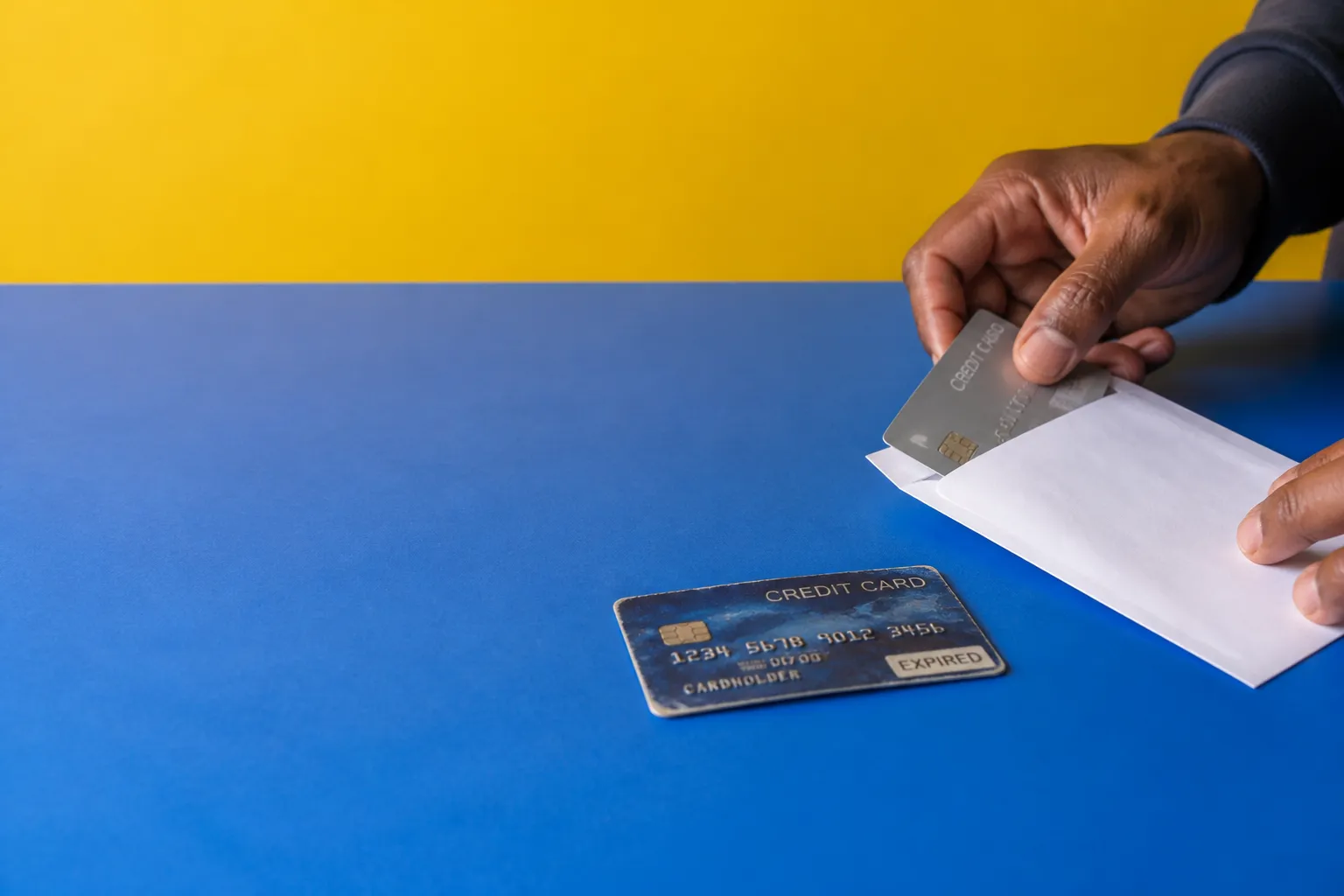
What expiration changes, and what to check in the mail
Credit cards generally expire after two to four years. The expiration date marks when the physical card stops working, not when the account balance vanishes. For example, a card marked 03/27 generally works through March 31, 2027, and the replacement needs to be activated by April 1, according to the issuer’s expiration-date guide. Exact handling can vary by issuer, so use the date and instructions provided with your own card.
Many issuers mail a replacement before the old card expires. The timing is not universal, and a card that has not arrived by the expected time is worth following up on. Check that the mailing address on the account is current. If the card still does not arrive, contact the issuer using a number on an account statement or on the old card, if you still have it.
When the replacement arrives, read its activation instructions. Issuers may allow activation by phone, through an online account, or in an app. Activating the card lets you use the replacement, but it does not change the balance or payment schedule described above.
Protect the old card and check recurring payments
After activating the new card, destroy the old plastic rather than throwing it away intact. A card can display account information, and its card verification value, or CVV, is the security code often requested for online purchases. Cutting or shredding the card makes those details harder to read if someone finds it in the trash.
Do not assume every detail of how the replacement works is the same for every account. The sources reviewed do not establish whether a replacement will have a different card number or how recurring merchant charges and automatic payments will be handled. Check the issuer’s instructions or ask the issuer directly before relying on a recurring payment to continue without changes. This is especially useful for a bill that is due soon after the old card stops working.
A short check can prevent a missed payment or a declined purchase:
- Confirm the replacement arrived and activate it using the issuer’s instructions.
- Check the account for the current balance, due date, and minimum payment.
- Review recurring payments and update card details if the issuer or merchant requires it.
- Destroy the old card once it is no longer needed.
If the card was lost or stolen
A replacement after expiration is different from a replacement after loss or theft. If the card is missing, report it to the issuer promptly. The Consumer Financial Protection Bureau says that if a lost or stolen credit card is reported before it is used, the cardholder generally cannot be held responsible for unauthorized charges. If unauthorized use happens before the card is reported missing, the amount a cardholder may owe is capped at $50 under the CFPB’s explanation. Some card agreements provide more protection. The CFPB’s guidance on unauthorized charges explains these distinctions.
The CFPB also says that when someone uses only the account number, without taking the physical card, the cardholder generally has no liability for unauthorized use. If an unfamiliar charge appears, contact the issuer promptly and keep a record of when the card was noticed missing and when the loss was reported. The Office of the Comptroller of the Currency also advises reporting a lost or stolen card as quickly as possible.
Be cautious about replacement-card messages
A replacement card can create a reason to expect contact from an issuer, which makes unexpected calls or messages harder to judge. A message asking for your full card number, CVV, or a one-time passcode deserves caution. The Federal Trade Commission warns about impersonation scams in its advice on lost and stolen cards.
If a call or message seems suspicious, do not use its contact details to verify the request. Contact the issuer through a number on a statement or the card you already have. For a routine replacement, the main facts remain simple: the old plastic may stop working, but the account and its balance generally remain. Confirm the account details, activate the replacement, and treat a lost-card report as a separate, time-sensitive issue.
Please seek a professional. This article is general information, not financial, tax or insurance advice. Please seek a licensed financial, tax or insurance professional about your own situation.


