











You close a credit card. The card is gone, so the recurring charges must be gone too. Not quite. The streaming plan, the gym fee, and the software renewal were set up with each merchant, and they do not vanish when the plastic does. Let's walk through what the public guidance says, step by step, and where it goes quiet.
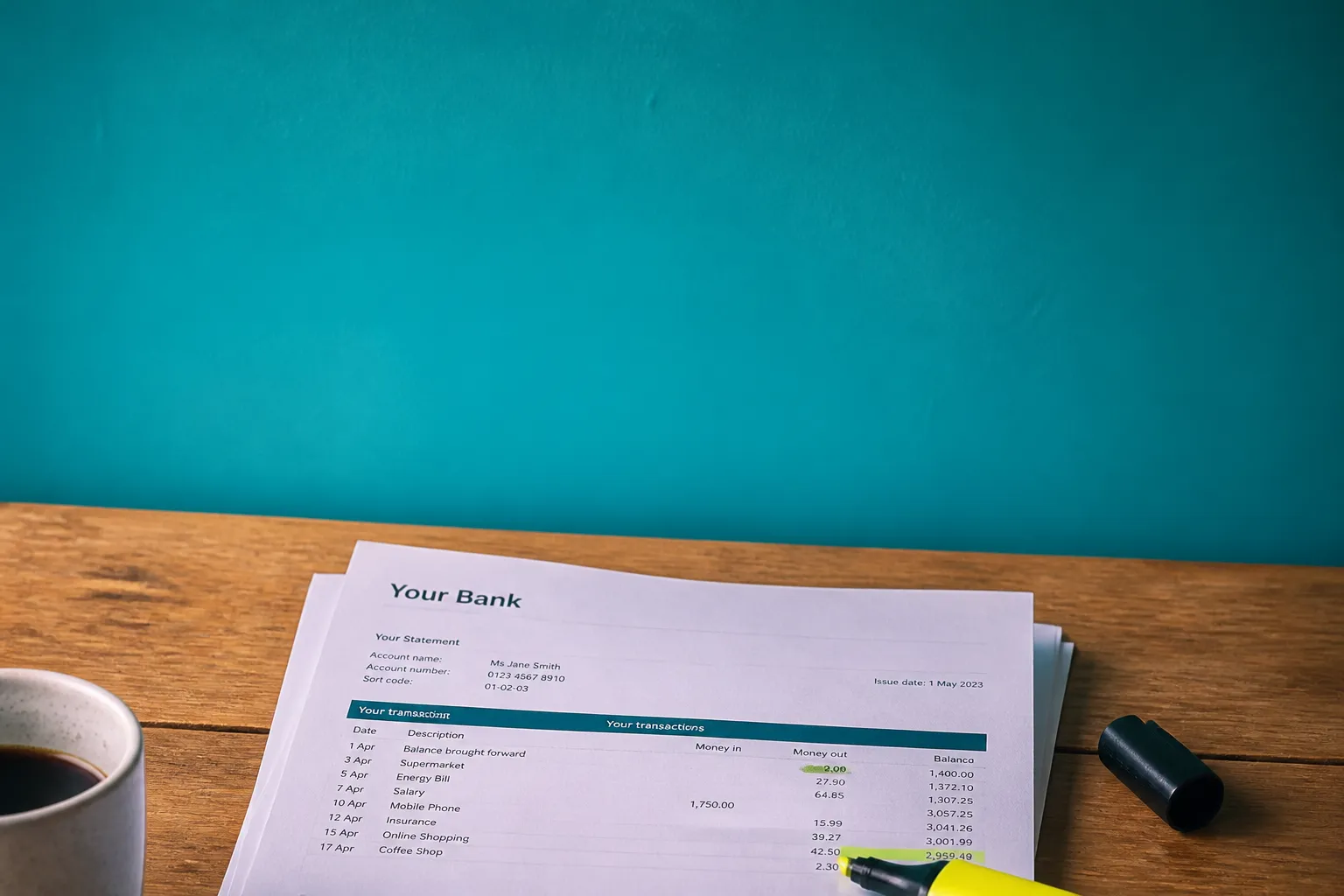
Why closing the card does not cancel recurring charges
A recurring charge is a standing permission you gave a merchant. Think of it as a note on file that says, bill this account each month. Closing the card does not erase that note.
The guidance on the HelpWithMyBank site says most credit card agreements require you to cancel all preauthorized merchant charges before you close the account. If you do not, the bank may keep accepting those charges. The merchant still has permission, and the bank is following the agreement. The same page says to contact the merchant, not the bank, to cancel the arrangement.
So the order matters. Cancel with each merchant first. Then close the card. Your own account agreement spells out the rules for your bank, so read it before you act.
What to do when a merchant keeps charging after you cancel
Sometimes you cancel and the charge shows up anyway. The bank guidance says to try to settle it with the merchant first. You can also dispute the charges with your card company as billing errors. The two steps can run side by side.
Here is the part with a clock on it. The bank must receive your written notice within 60 days of the date it sent the first monthly statement that showed the unauthorized charge. Look at that date closely. Many people count from the latest statement, and that can be too late.
Where you send the notice matters too. Use the billing error address printed on your statement. It is usually different from the payment address.
A few simple habits help:
- Keep a copy of every cancellation request and note the date you sent it.
- Save the statements that show the charges.
- Write down what you said to the merchant and when you said it.
Stopping automatic payments from a bank account
Some recurring charges pull money straight from a checking account instead of a card. The CFPB says you have the right to stop these, even if you allowed them before. It describes two parts. First, call the company, then write to it, to withdraw your permission. Second, call your bank or credit union, then write to it, to say you have revoked that authorization.
After both steps, any later payment the company starts would be an error. You can ask your bank for a refund of that payment. The company that keeps pulling funds is the one creating the problem.
A stop payment order is a different tool. It tells your bank to block a particular payment. The CFPB says you can use one even if you have not yet revoked permission with the company, which can stop the next scheduled payment. The order must be given a set time before the payment date, and fees may apply. The public text I reviewed cuts off before those details, so check your bank's terms for the exact deadline and cost.
One more small point from the CFPB. Say clearly whether you are canceling the service or only changing how you pay. Those are not the same request.
Balances, interest, and the card replacement question
Closing a card does not wipe out what you owe. The CFPB says you must pay off a remaining balance on schedule, and the card company may charge interest on the amount still owed. Your cardholder agreement shows how that works for your account. If you cannot find it online, ask the card company for a copy. In general, you can close a card by calling and following up with written notice.
Replacement is a murkier case. I could not find public guidance on what happens to autopay when a card is reissued with a new number or expiration date. I also found nothing on whether merchants are told automatically. Some payment companies describe account updater services, which can pass new card details to merchants. The page I retrieved was mostly menus, so it gave no usable explanation. The practical move is to ask each merchant which card is on file and whether the next payment will go through.
The sources I reviewed also say nothing about how closing a card affects credit scores or utilization. That is the share of your credit limit you are using. For questions about your own file, the credit bureaus' consumer pages and the CFPB are good places to start.
A short checklist before you close or swap a card
- List every recurring charge on the last few statements.
- Cancel or move each one with the merchant itself.
- Read your cardholder agreement for closing rules and interest on any balance.
- Watch the next statement for surprise charges, and note the 60-day window if one appears.
This is general education, not advice for your situation. Your agreement and your bank have the final word on the details.
Please seek a professional. This article is general information, not financial, tax or insurance advice. Please seek a licensed financial, tax or insurance professional about your own situation.


