











A check can leave your hand in perfect order and still reach your account records with a different name on it. In check washing, someone steals the paper check, alters it and deposits it. The payee line and dollar amount are the details to watch, both when writing a check and when reviewing one that has cleared.
How check washing works
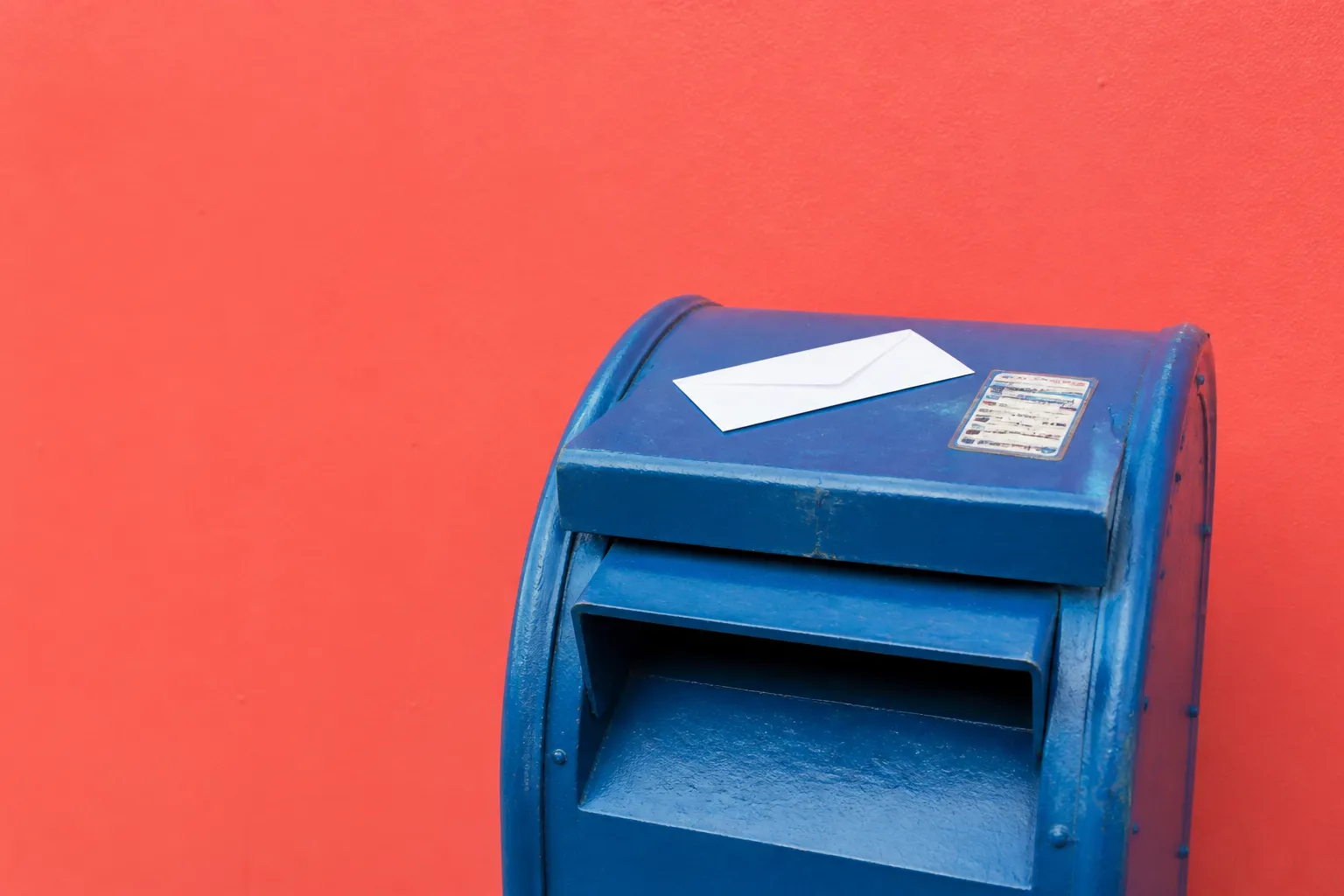
The scheme often begins with outgoing mail. A thief takes a check from a home mailbox or an outdoor collection box. Chemicals may remove the ink, allowing the thief to rewrite the payee name and sometimes the amount before depositing the check. The U.S. Postal Inspection Service also warns that a stolen check can be copied to make counterfeit checks. A missing envelope, then, may represent more than one attempted transaction.
The theft may be hard to notice. You might assume a bill is still in transit while the altered check has already cleared. Federal officials have reported increased mail theft targeting checks since the COVID-19 pandemic, including personal checks, business checks and government payments. Stolen mail can expose personal details that are useful in other kinds of fraud, too.
Washing, counterfeiting and deposit scams
These schemes share a piece of paper, but the account risk differs. A washed check began as a real check written by someone else. A counterfeit check is manufactured to look real, sometimes using details copied from a check a criminal has seen. The Postal Inspection Service says counterfeiters can use scanners, printers and blank check stock to produce convincing copies.
In a check-deposit scam, the person approached by the scammer is asked to put a check into their own account. The offer may promise quick cash: deposit the check, send some of the money onward and keep a share. The deposit can appear in the account before the check is found to be bad. If the person sends or withdraws the money first, they may owe the bank when the check is returned. An available balance is not proof that a deposited check is genuine.
The clearest warning sign is a request to deposit a check or money order for someone else and forward part of the proceeds. That is a different problem from having your own mailed check stolen. It calls for a pause before any deposit or transfer, rather than a closer look at a check you already wrote.
Make a mailed check harder to steal or alter
When an electronic bill payment is practical, it avoids putting a paper check in the mail. If you do mail one, the handoff matters. The Postal Inspection Service recommends placing outgoing mail in a collection box before its last pickup or taking it to a post office. Leaving an envelope in a home mailbox with the flag raised, or in a collection box overnight, gives a thief more time to find it.
Write the full payee name and fill in the amount in both numbers and words. Draw a line through unused space so another name or digit is harder to add. Avoid writing “cash” on the payee line, since whoever obtains that check may be able to cash it. A security envelope, or other papers around the check, can also keep its details from showing through the envelope.
Ink is one more barrier, not a guarantee. A non-erasable gel pen may make the writing harder to remove than ordinary ballpoint ink, but no pen makes a check tamper-proof. The mailing and account-review steps still matter even when every line is carefully filled in.
Review the check that actually cleared
A check register tells you what you intended to pay. Your account record tells you what was processed. Review transactions every few days if you can, and open cleared-check images when your bank makes them available. Compare the payee and amount with your own record, especially for checks that took longer than expected to clear.
Retrieve incoming mail promptly as well. If you will be away, the post office can hold mail, or a trusted person can collect it. That limits the time checks and account information sit unattended. It also makes a missing payment or statement easier to spot before the next monthly review.
If a check goes missing
First, confirm with the intended recipient that the payment did not arrive. Then check whether the check has cleared. If it has not, contact your bank promptly about a stop payment and ask what information it needs, what fee applies and when the request takes effect. A stop payment concerns an uncleared check; it does not undo a check that has already been paid.
If you see an altered check or another transaction you do not recognize, report it to your bank promptly and ask about its claim process and documentation requirements. Report suspected mail theft to the U.S. Postal Inspection Service. If other personal information was taken, ask the credit reporting agencies about ways to watch for accounts opened in your name. These steps create a record, but they do not guarantee reimbursement or a particular resolution time. The practical first move is to identify which check is missing, whether it cleared and who needs to hear about it.
Please seek a professional. This article is general information, not financial, tax or insurance advice. Please seek a licensed financial, tax or insurance professional about your own situation.


