





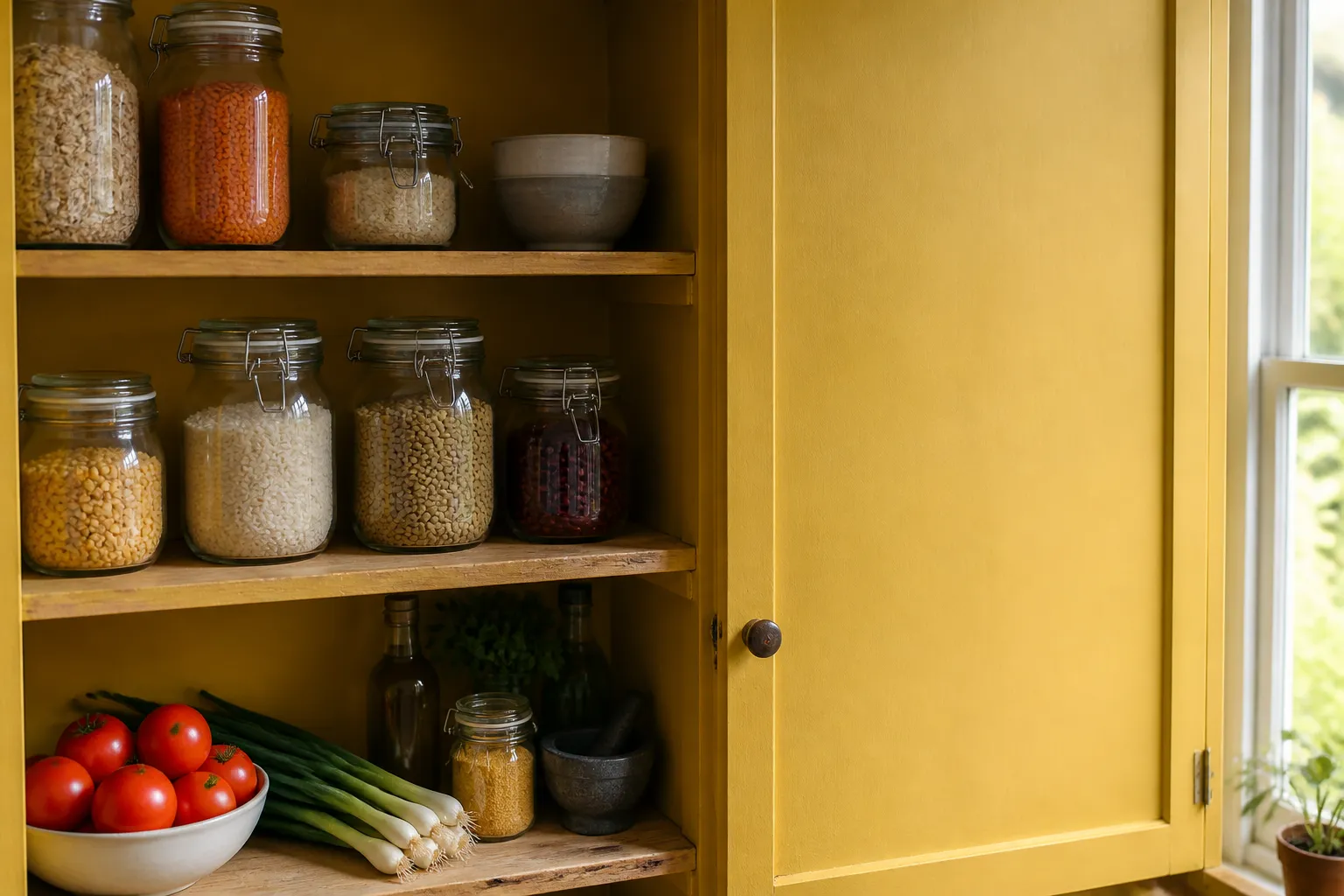
Could the next meal plan start with a cupboard check instead of a shopping list? That is the idea behind a pantry-first plan: see what is already at home, use foods that are nearing their best moment, then shop for what the week’s meals still need. It can help prevent duplicate buys and forgotten ingredients. The potential savings are real, but national averages are not a forecast for any one household.
Why wasted food can weigh on a household budget
About one-third of food in the United States goes uneaten, according to the U.S. Environmental Protection Agency. For a household budget, the arithmetic is plain: food that gets purchased and then tossed is money spent without a meal to show for it. The environmental costs travel along with it, since growing, processing, moving and storing food all use resources.
EPA estimates that individual consumers lose about $728 a year to food waste, or roughly $14 a week. A family of four wastes nearly $3,000 worth of food annually, about 11 percent of its food spending, according to the agency’s 2025 report. Those figures help show the scale of the issue, but they describe averages. A household’s actual waste depends on what it buys, how it stores food and how much it cooks. A national average is a yardstick, not a household-specific estimate.
What does “pantry-first” mean in practice?
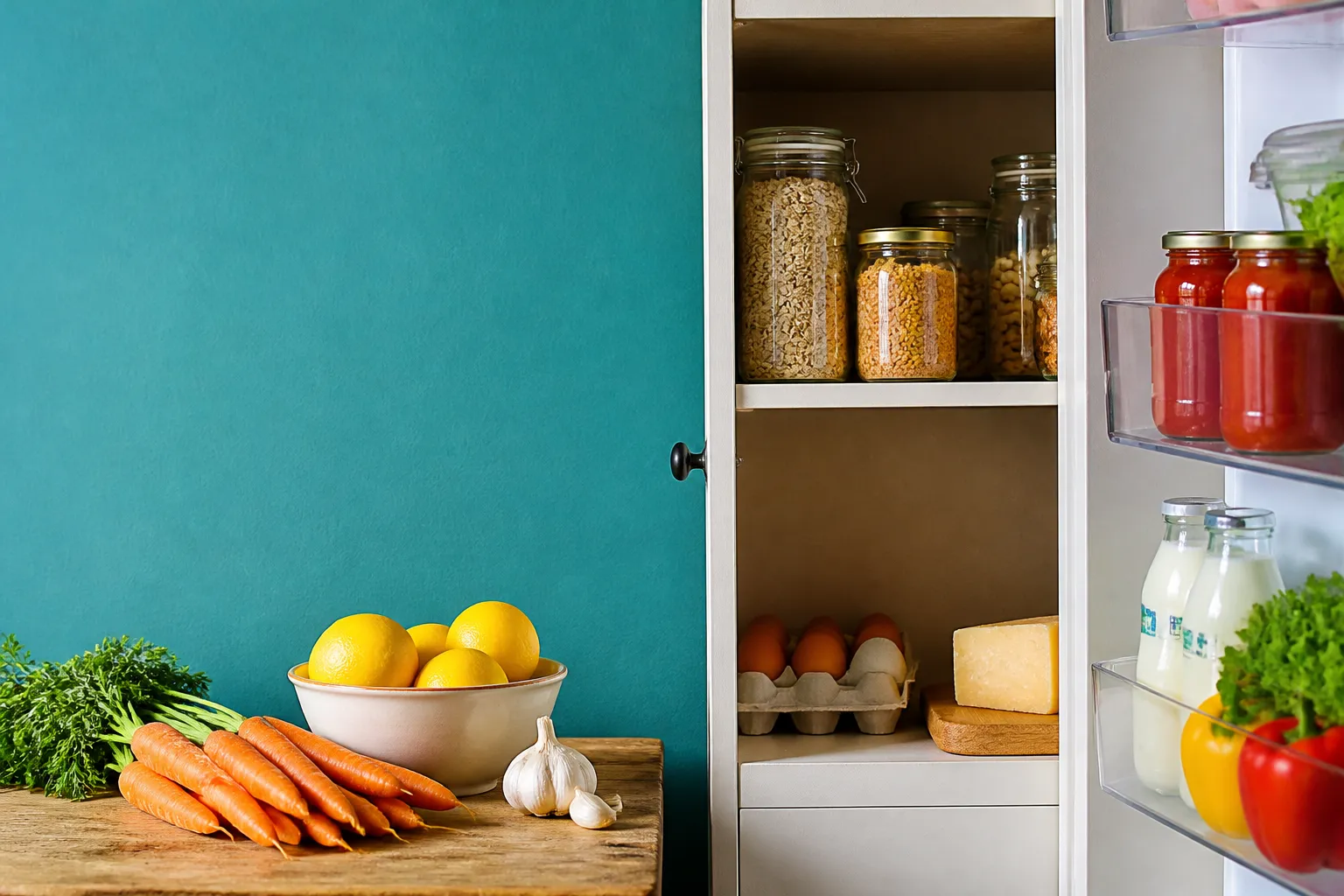
It is less a strict meal plan than a change in the order of operations. Before shopping, check the refrigerator and cupboards. Then build a few upcoming meals around ingredients that need using. If there is half a bag of carrots and a can of beans, for example, those ingredients can shape a meal before a new grocery list takes over.
EPA and Utah State University Extension both describe checking what is on hand and planning meals before buying more. The point is to avoid buying a second container of something already tucked behind the mustard. A list connected to specific meals can also make shopping more focused. Writing down quantities, including how many meals an item is meant to cover, gives the list a bit more structure than “vegetables, probably.”
A running list of meals the household already enjoys can make this easier. Familiar meals are useful anchors because there is a better chance their ingredients will actually get used. That does not mean every week has to be planned down to the last spoonful. Even a short list of likely meals can help connect what is at home to what needs to be bought.
How can buying and storage support the plan?
Bulk buying has a condition attached: the food has to get eaten before it spoils. A larger package may cost less per unit, but that advantage disappears if part of it ends up in the bin. Matching the amount bought to how quickly a household uses it is a practical way to keep the price tag and the food’s shelf life in the same conversation.
Storage and preparation can make ingredients easier to use during a busy week. Utah State University Extension suggests washing, drying and cutting produce after shopping so it is ready to add to meals. That step may help turn a bag of vegetables from a good intention into an easy ingredient. The university also advises waiting to wash berries until just before eating, since extra moisture can encourage mold.
Where food sits matters, too. Some fruits release natural gases as they ripen, which can speed up ripening and spoilage nearby. Utah State University Extension says to store bananas, apples and tomatoes separately, and to keep fruits and vegetables in different bins. A little separation can give produce more breathing room, literally speaking.
When seasonal fruits or vegetables are abundant, freezing, preserving or canning can extend the time available to use them. These are options for surplus food, not obligations for every grocery run. A pantry-first plan works best as a flexible guide: use what fits the household’s meals and routines, rather than turning the kitchen into a project with its own deadline.
What can the savings figures tell you?
They make clear that food waste can add up. EPA’s estimate of nearly $3,000 a year for a family of four is a useful measure of the broader problem, not a promise that a particular meal-planning method will return that amount. The EPA guidance says that buying only what is needed, eating what is bought and avoiding food disposal can save money. It does not calculate the savings from a pantry-first plan for an individual household.
That distinction matters because food habits vary. One household may regularly find duplicate staples; another may waste more produce or leftovers. The amount that can be avoided depends on what is being thrown away and why. The figures are best read as a reason to notice patterns, not as a savings target every household should expect to meet.
What should a pantry-first plan not try to answer?
The sources cited here do not explain how to keep a complete inventory over time, interpret date labels or decide whether a particular food is safe to eat. Those are separate questions, and a pantry check is not a food-safety test. When the concern is whether something is safe, use guidance from food-safety authorities rather than relying on a meal plan or a sniff test alone.
There is also an age difference between the sources. EPA’s consumer cost figures come from its 2025 report, while the Utah State University Extension article is dated 2016 and includes older national waste statistics. The two sources offer practical planning and storage ideas, but their figures should not be treated as equally current.
So, could a pantry-first plan help keep food from going to waste? It can make existing ingredients more visible and tie shopping to meals, which may reduce duplicate purchases and forgotten food. The exact budget effect will vary. A quick look behind the mustard is a modest start, and it does not require pretending the week will go exactly as planned.
Please seek a professional. This article is general information, not financial, tax or insurance advice. Please seek a licensed financial, tax or insurance professional about your own situation.