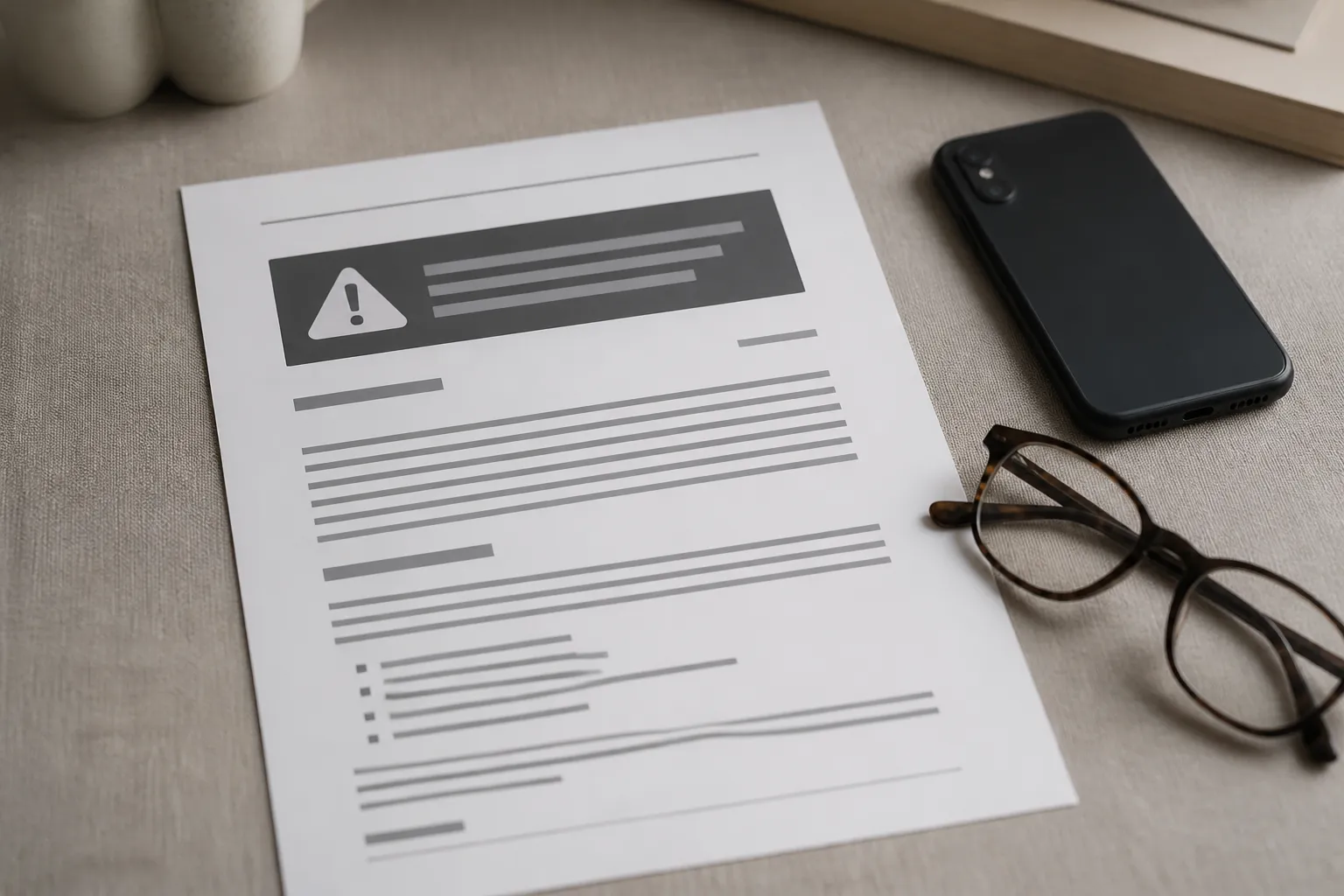










Breaking news can bring a fast-moving stream of messages, links and offers to help. Some are genuine. Others use confusion, grief or curiosity to get money, personal information or access to an account. A few checks can help you spot familiar warning signs before you respond.
Why breaking news attracts scammers
Disasters create urgent needs and a large flow of relief money. That combination draws people trying to steal aid, payments or personal details. The U.S. Government Accountability Office notes that survivors may face scams after a disaster in addition to the damage caused by the disaster itself.
Many of these approaches begin with an offer of help. A caller may claim to represent an insurer or a government agency. A contractor may promise quick repairs. A message may offer a place to stay. When people are stressed and short on reliable information, a confident offer can sound reassuring.
The scale is difficult to measure, and disaster scams are likely under-reported. A 2024 Census Bureau survey found that as many as 77% of survivors experienced a possible scam within a month of a disaster, according to the GAO. “Possible” matters here: the figure does not mean every person in the survey lost money or had confirmed fraud. It does show how often suspicious approaches can arrive during a recovery period.

The same pressure tactics can travel beyond disasters. A message about a celebrity death or another widely shared story may promise an exclusive video or a shocking image. The story supplies the emotional hook; the link may lead somewhere designed to capture account credentials or personal information.
Scams that can follow a disaster
Some post-disaster schemes target aid and recovery. Stolen personal information can be used to apply for assistance in someone else’s name. Other approaches involve fake insurance calls, people posing as government officials, contractors demanding a deposit before work begins, upfront-fee offers for mortgage relief, or rental listings for places that are not actually available.
These scams can look different, but they often share a basic pattern: someone presents an urgent need or a quick solution, then asks for money, information or action before you have had time to check the claim. A request can sound routine and still deserve a pause, especially when the person contacted you first.
For an unsolicited call from someone claiming to be an insurer or government official, avoid giving personal information during the call. End it and contact the organization using a number you find independently. That simple separation gives you a chance to check who is actually asking.
Fake news links and charity impersonation
Clickbait scams attach themselves to stories people are already searching for. The Better Business Bureau warns about links promising “exclusive,” “shocking” or “never seen before” footage tied to trending news, tragedies or celebrity deaths. The bait may appear in a public post, a comment or a direct message. Clicking can expose personal information or help someone take over an account.
A link from a friend is not automatically safe. A compromised account, meaning an account someone else has gained control of, can send messages that do not reflect what the account owner intended. If a friend sends an unusual link or urges you to download a file, check with them through a separate channel before acting. A message that sounds unlike them is a reason to slow down.
Some targeted emails pretend to come from a news organization and offer a private video, image or document. The email may address one person and make the offer feel personal. The promised material is still a reason to inspect the sender and the request rather than clicking on impulse.
Charity impersonation can use a different hook: a caller says you won a sweepstakes because you donated to a cause. If you never entered, treat the claim with skepticism. The Federal Trade Commission’s consumer information on common scams includes guidance on scam patterns. A request to pay a fee to claim a prize is a warning sign, not proof that a prize is real.
Warning signs to check before acting
Urgency is common in scams, but the details matter too. Watch for requests for an upfront payment before repair work or mortgage help is delivered; unsolicited callers asking for personal information; unfamiliar links; and sensational claims about footage or information tied to a recent tragedy. The BBB’s rule of thumb is useful: if a claim sounds too outlandish to be true, it probably is.
Before responding, take a moment to consider what the person wants you to do. Is the request for money, a deposit, private information, a click or a download? Did you expect the contact? Does the claim rely on a prize you did not enter or access to material described as secret or exclusive? Those details can help distinguish an ordinary update from a pressure tactic.
- Pause when a message uses alarming or sensational wording to push you toward a link.
- Be cautious with a caller who contacts you unexpectedly and asks for personal information.
- Do not assume a familiar name or social account proves that a message is genuine.
- Question deposits or fees demanded before promised work, assistance or a prize is delivered.
These checks do not establish what happened in a specific case. They are ways to notice common patterns and give yourself time to verify a claim using information you find independently.
What the available figures can and cannot show
The figures available here describe disaster-related scam exposure, not every kind of scam tied to breaking news. The GAO’s discussion includes a survey about possible scams experienced by disaster survivors. It does not measure how many people lost money to links about celebrity deaths, how many suspicious messages circulated after a major news event, or how often those attempts succeeded.
That distinction matters because a possible scam report is not the same as a confirmed loss. It also means the available sources do not support a single total for scams driven by breaking news. The useful takeaway is narrower: urgent moments attract deceptive offers, and familiar warning signs can appear in calls, posts, emails and messages.
If a message claims to represent a government agency, insurer or charity, check the organization’s own website for current contact and reporting information. The Federal Trade Commission’s consumer pages are one starting point for learning about common fraud tactics. Avoid relying on a phone number or link supplied only by the person who contacted you.
Please seek a professional. This article is general information, not financial, tax or insurance advice. Please seek a licensed financial, tax or insurance professional about your own situation.