










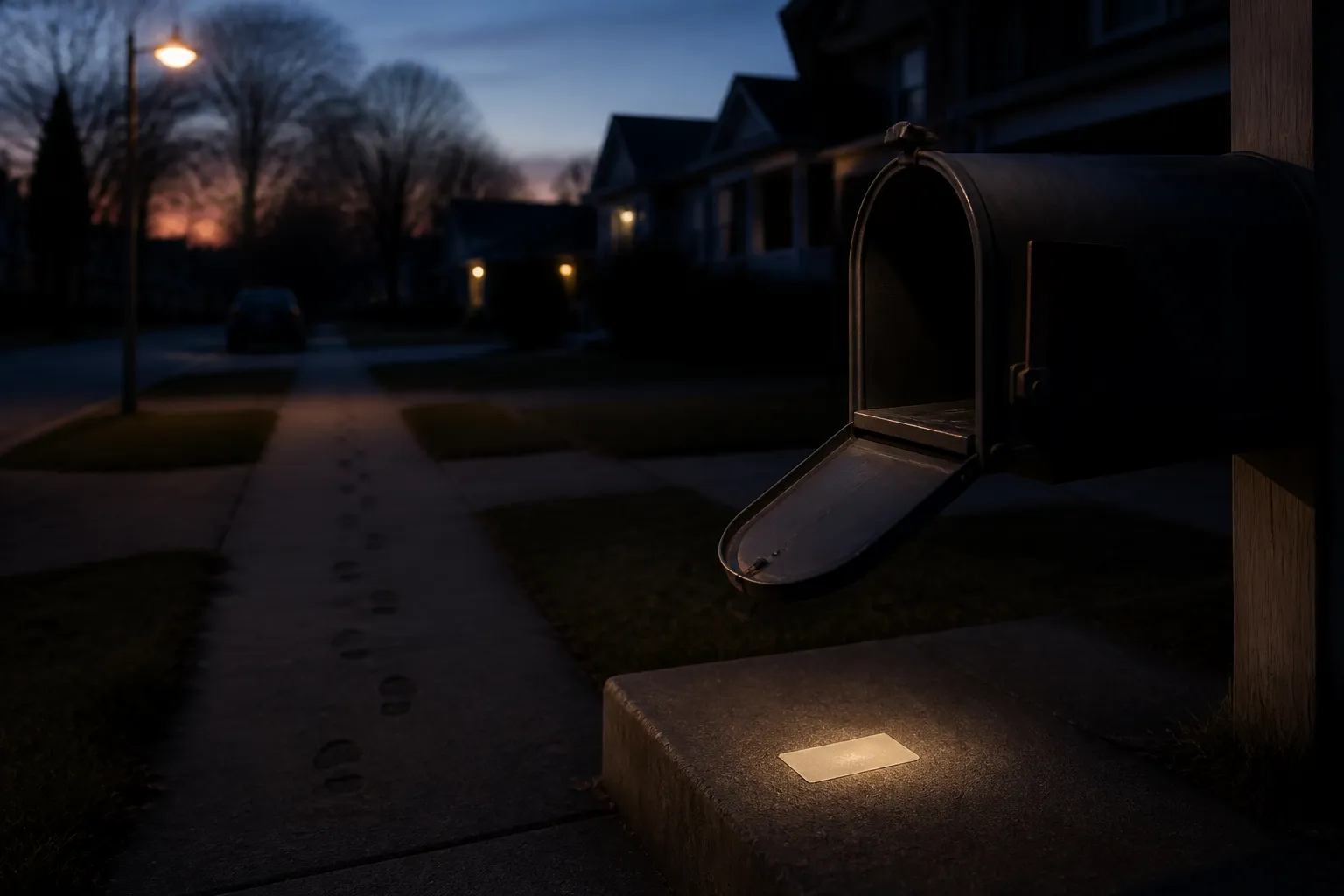
You applied. You were approved. Days pass, then a couple of weeks, and the mailbox stays empty. A missing card is more than an annoyance. You may have no way to pay, and you may wonder who else is holding it. Here is a calm order of steps, with the rules that protect you.
Confirm the card was actually mailed
Start with the sender. That means the card issuer, the company that approved the account. The U.S. Postal Inspection Service says to contact the sender as soon as possible when a credit card or other valuable mail does not arrive. One call can reveal a delay, a wrong address, or a card that was never sent.
Ask three plain questions. Was the card mailed? To what address? Has anyone activated or used it since? If the issuer reports activity on an account you never touched, do not treat it as a routine delay. Write down the date and details of every charge you do not recognize.
Then check the address on file. If you moved recently, the card may be sitting with a new resident or in a returned-mail process. The Postal Inspection Service also suggests filing a change of address with the Postal Service and telling your financial institutions when you move. It is one of the most useful early checks.
Understand your liability if the card is lost or stolen
Liability means the amount you could be forced to pay. The Consumer Financial Protection Bureau (CFPB) explains the basics. If a card is reported lost or stolen before anyone uses it, you generally cannot be held responsible for unauthorized charges.
If someone uses the card before you report it, the most you will owe for unauthorized charges is $50. Many cardholder agreements go further and say you owe nothing in that case. Your own agreement sets the exact terms.
One more rule helps here. If a thief uses only your account number, without the physical card, you generally have no liability for that use. So read your statements closely even when you never held the plastic.
Timing matters. The rules depend on when you reported the problem compared with when the charges happened. Report early and keep a record of the call.
Look at your rights in the card agreement
The card agreement is the contract between you and the issuer. It spells out your rights on unauthorized charges and the steps you must take. You can usually find it on the company's website. You can also search the CFPB's Credit Card Agreement Database.
Reading it before you need it saves time. It may say how to report a lost card, what the issuer will ask you, and how disputes work. A dispute is a formal request to remove a charge you say is wrong.
Some details are not covered by the sources behind this piece. They do not say how to request a replacement, how long reissuing takes, or how to dispute a specific charge. They also do not say whether the $50 limit applies to debit cards or to cards not yet received. Ask the issuer and check your agreement for those answers.
Watch for signs of mail theft or misdelivery
Mail theft is real. From 2019 through 2024, Postal Inspectors arrested almost 9,300 suspects for theft of mail and packages. A missing card can be a crime, not just a slow truck.
Charges that show up after the card was mailed, but before you received it, may point to theft or misdelivery. Review statements promptly. If you see something you do not recognize, report it to the issuer right away.
The Postal Service offers tools to manage mail. Hold Mail Service pauses delivery while you are away. Informed Delivery lets you preview what is on its way. USPS also has a missing mail page for items that seem lost, though the sources here do not walk through filing a claim.
If you fear your identity is at risk, read about fraud alerts and security freezes. A fraud alert asks creditors to take extra steps to verify you. A security freeze limits access to your credit report. The Federal Trade Commission and the credit bureaus explain both. The sources here do not say how they apply to this exact situation, so treat them as general background.
Please seek a professional. This article is general information, not financial, tax or insurance advice. Please seek a licensed financial, tax or insurance professional about your own situation.


